The World Health Organisation has revealed that Kenya's first imported Ebola patient may have contracted the virus while seeking treatment for another illness in the Democratic Republic of Congo. This raises concerns about infection prevention in health facilities operating amid an expanding outbreak. According to WHO, the patient, a Kenyan citizen who had lived in DRC for seven years, fell ill about a month before his death.
The patient travelled from DRC to Kampala by road, then boarded a Jambojet flight and arrived in Nairobi on October 3, 2026. He was transported by a relative directly to Nairobi Hospital, where he was isolated. A sample collected on October 5 tested positive for Bundibugyo virus at both the National Virology Reference Laboratory and the Kenya Medical Research Institute laboratory.
WHO said the patient's medical history in DRC is a central part of the investigation. The organisation launched an inquest to establish his journey, including how he got infected, where he was being treated, his contacts, and how he crossed from DRC to Kampala and finally Nairobi. Investigators aimed to determine what condition he initially sought treatment for and where he received care.
Health Cabinet Secretary Aden Duale stated that the patient had been treated in several hospitals in DRC before travelling to Kenya. The patient's movements and progression of his illness are crucial in determining whether he exposed anyone during his journey or after arriving in Nairobi. Ebola disease is not transmitted by people before symptoms begin, but transmission can occur after illness develops through contact with infected bodily fluids.
WHO emphasised that the assessment does not establish that infection prevention procedures failed at any particular hospital. However, it highlights the risk of transmission in healthcare settings when an infectious patient is not identified promptly or appropriate precautions are not in place. The investigation must reconstruct the patient's movements alongside the progression of his illness.
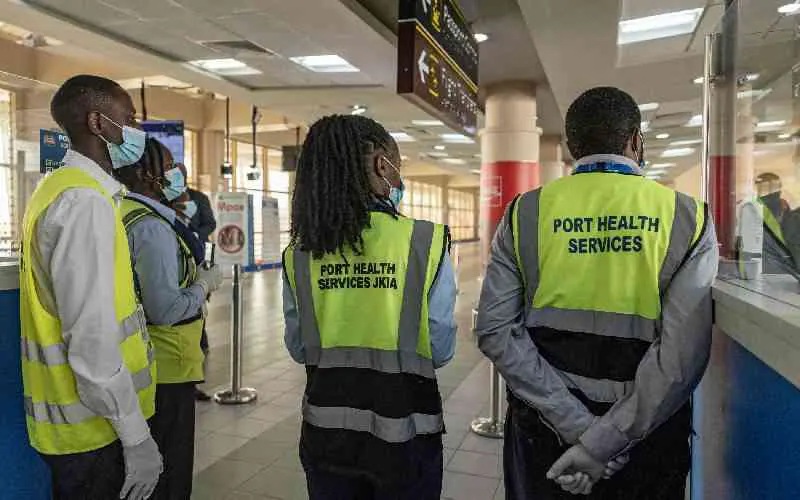
The patient received supportive treatment but died on October 5, 2026. A safe and dignified burial was conducted, and public-health response measures were initiated, including contact tracing linked to the international flight. The Ministry of Health has since distributed Sh171 million Ebola supplies to high-risk facilities to enhance preparedness and response.
The incident has raised concerns about Kenya's preparedness to handle Ebola cases. The government has assured the public that measures are in place to prevent the spread of the virus. WHO has declared an international emergency due to the Ebola outbreak in DRC, which has killed over 80 people.
Key points
- Patient Zero may have contracted Ebola while seeking treatment in DRC.
- Investigation into patient's medical history and movements is ongoing.
- WHO emphasises risk of transmission in healthcare settings without proper precautions.