The World Health Organisation (WHO) has reported a concerning increase in Bundibugyo Ebola cases and deaths in the Democratic Republic of Congo (DRC). According to WHO Director-General Tedros Ghebreyesus, the outbreak declared six months ago has spread across 67 health zones in eight provinces. The situation is dire, with reported cases more than doubling since the previous meeting of the International Health Regulations (IHR) Emergency Committee.
The outbreak has had a significant impact on children, with over one-quarter of confirmed cases and one-third of deaths occurring in this age group. Specifically, seven in 10 children under five with Ebola have died. In addition to the DRC, neighbouring countries have reported linked cases. Kenya recorded nine cases, including two deaths, while Nigeria reported one imported case. Both countries have demonstrated effective response measures, including rapid detection and management.
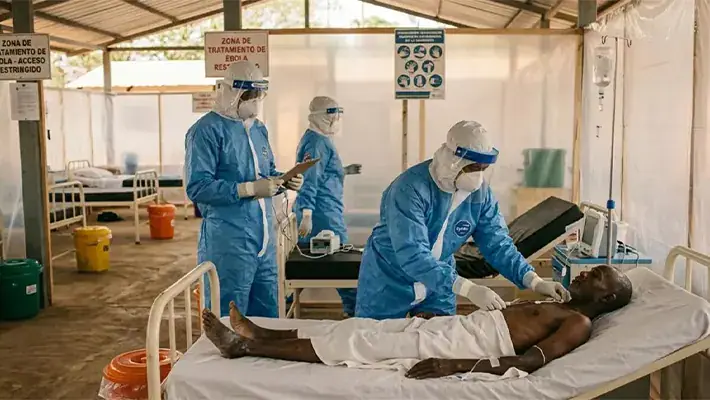
Despite concerns over the outbreak, Ghebreyesus acknowledged progress in the DRC. Rapid transmission has been halted in most of the initial epicentres, and laboratory testing capacity has increased significantly. There are now over two dozen facilities capable of testing, and nearly 2,000 treatment beds are available. Furthermore, about 3,000 people have recovered, and clinical trials of potential treatments are progressing, with over 900 people enrolled.
The WHO chief expressed concern over blanket travel restrictions imposed by some countries, warning that such measures can hinder outbreak response, damage livelihoods, and discourage timely reporting. Ghebreyesus advocated for targeted, evidence-based measures that address public health threats without disrupting international movement and economic activities. He also highlighted the importance of vaccines, noting that a trial using Ervebo, approved for the Zaire Ebola virus, commenced last month.
However, Ghebreyesus warned that the outbreak remains uncontrolled, with between 400 and 500 new cases reported weekly. Transmission continues in some areas, and two-thirds of confirmed deaths occur outside Ebola treatment centres, indicating delayed identification of infections. Contact follow-up also remains below the required target. Insecurity has been identified as a significant obstacle to the response, including an attack in Cantine-Aloya that killed 66 civilians, including three health workers.
The WHO chief also reported on attacks on health workers and facilities, which have restricted humanitarian access and disrupted response operations. A nurse was killed, and another health worker seriously injured during an Ebola response operation in Tshopo Province. Ghebreyesus added that delays in paying frontline health workers and responders are creating tensions and slowing the outbreak response.
The WHO Director-General emphasized that the response must protect essential health and humanitarian services, noting that affected communities face several health threats beyond Ebola. Outbreak control should not undermine primary healthcare, maternal and child health services, or access to treatment for other diseases. Ghebreyesus made the remarks while seeking the emergency committee's assessment of the outbreak situation and recommendations on public health measures.
Key points
- The WHO reports over 11,000 cases and 5,400 deaths from the Bundibugyo Ebola outbreak in DR Congo.
- Children account for over one-quarter of confirmed cases and one-third of deaths.
- Insecurity and attacks on health workers hinder the response efforts.