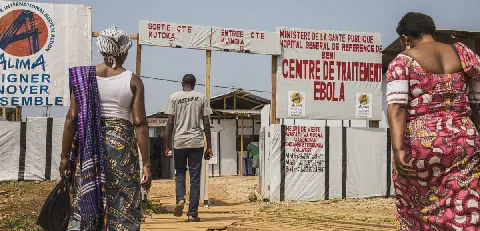
The World Health Organization (WHO) has commended the involvement of specialized UN agencies in the fight against Ebola in the Democratic Republic of Congo. During a virtual briefing, WHO representative in DRC, Dre Ancia Anne, highlighted the contributions of various agencies, including the construction of an Ebola treatment center and the provision of food and water. The efforts aim to combat the Bundibugyo strain of the Ebola virus.
The WHO, in collaboration with the UN, has established a robust response to the epidemic. The UN Children's Fund (UNICEF) has facilitated access to clean water in the treatment center, while the World Food Programme (WFP) has set up bases to support the response efforts. However, despite these efforts, the security situation remains a significant challenge, with many areas being held by militia groups, making it difficult to access affected populations.
The security challenges are particularly pronounced in the Kamanda area, where over 100 cases have been reported. The region's infrastructure, including roads and bridges, poses significant challenges to accessing patients and transporting samples to laboratories. According to Dre Anne, it can take up to a week to transfer samples from suspected cases to laboratories, hindering timely diagnosis and treatment.
The difficulties in accessing affected areas can complicate the surveillance of suspected cases, the transportation of samples, and the distribution of food and aid to those affected. The WHO and other partners are working to strengthen case management and improve the functioning of treatment centers. However, the security situation and logistical challenges continue to hinder progress.
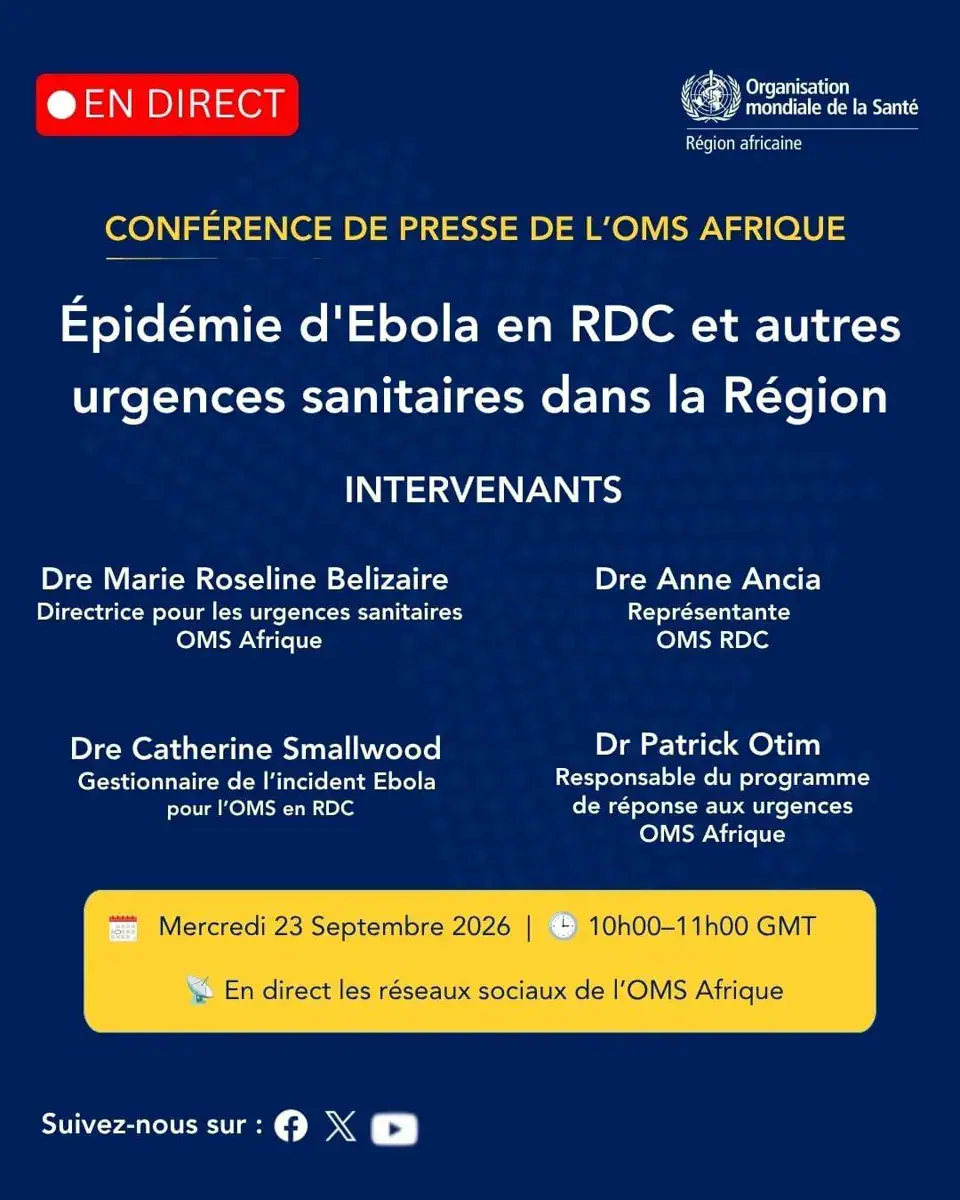
During the virtual briefing, four WHO officials, including Dre Anne, presented the situation related to Ebola in DRC. They highlighted the challenges in accessing patients in affected areas and the efforts being made to overcome these obstacles. The officials emphasized the importance of coordination between local authorities, communities, and partners in responding to the epidemic.
The WHO and its partners are working to improve the response to the epidemic, with a focus on enhancing case management and community engagement. The organization is also working with local authorities to address the security challenges and ensure that affected populations receive the necessary support. The response efforts aim to bring the epidemic under control and prevent further spread of the disease.
The situation in DRC highlights the complexities of responding to epidemics in areas with security challenges. The WHO and its partners continue to work together to address the epidemic, with a focus on saving lives and preventing further spread of the disease. The response efforts will require sustained support from the international community to ensure that the epidemic is brought under control.
Key points
- WHO representative in DRC, Dre Ancia Anne, praises UN agencies for their role in fighting Ebola.
- Security challenges hinder access to affected areas, complicating response efforts.
- WHO and partners work to strengthen case management and improve response to the epidemic.
Reporting sources
- L’OMS salue l’implication des institutions spécialisées des Nations unies contre Ebola en RDC · Congolese press agency