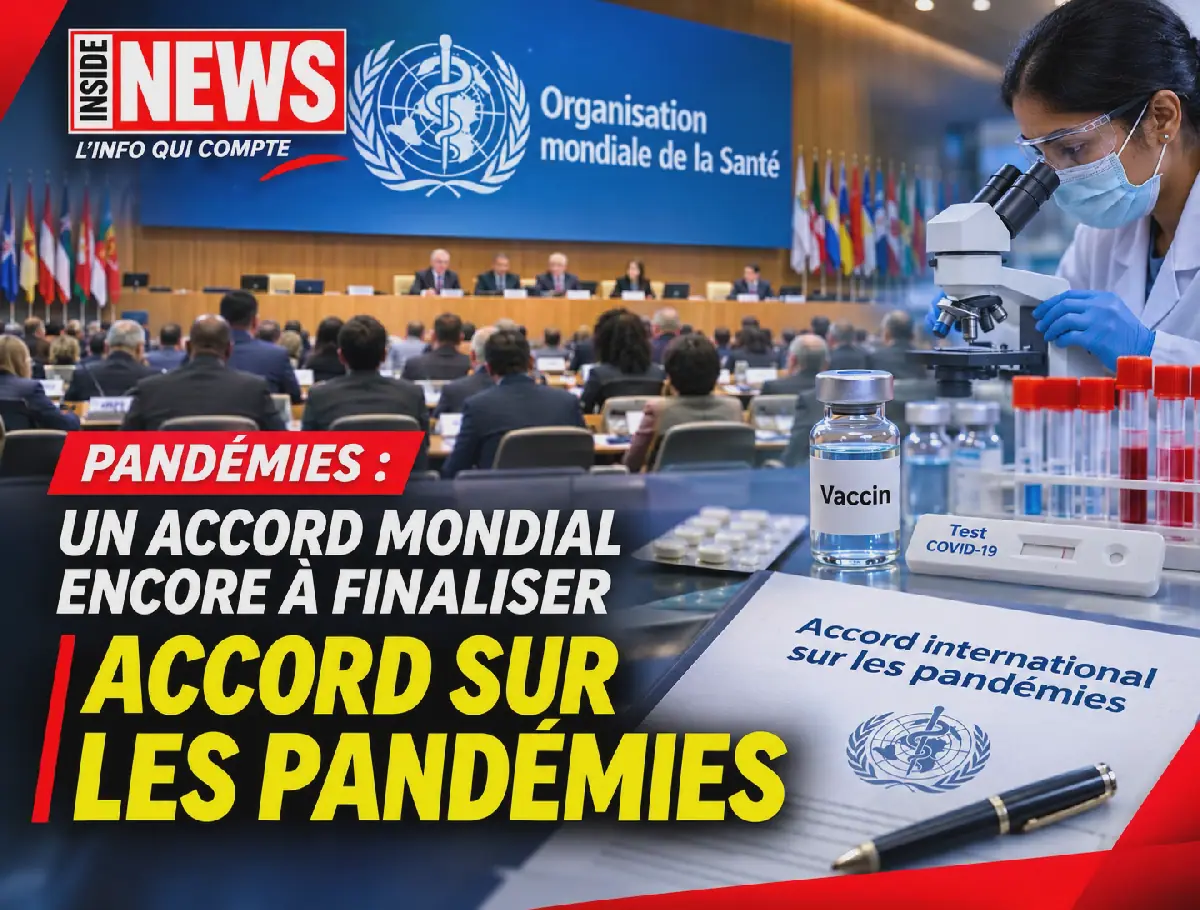
The World Health Organization's member states have committed to completing an annex on sharing pathogens and benefits from vaccines, tests, and treatments by May 2027. This development is part of the pandemic agreement, which was adopted in May 2025. The focus is on the Pathogen Access and Benefit-Sharing system, or PABS, designed to facilitate rapid exchange of genetic samples and sequences, as well as equitable access to products developed from this information.
Two weeks of negotiations concluded on November 13 in Geneva, with delegations making progress on the PABS system. The system aims to link access to samples and sequences with commitments to share benefits. This is crucial for developing diagnostics and vaccines during health crises. Researchers and authorities need rapid access to data on new pathogens, while countries providing this information seek sufficient access to medical products, particularly when global production is limited.
The PABS mechanism seeks to balance the needs of countries providing pathogen information with those requiring access to medical products. The roles of laboratories, manufacturers, and other technical partners remain central to discussions. An agreement was adopted in May 2025, but the operational annex on PABS remains unfinished. It will be submitted to the next World Health Assembly.
Upcoming formal negotiations are scheduled from January 11-15, February 15-19, and March 15-25, 2027. Informal meetings will also be held to align positions before the May vote. The engagement of small states is crucial, as their limited pharmaceutical production capacity makes them heavily reliant on international supply chains during crises.
The rules governing distribution, pricing, and delivery of vaccines, diagnostics, and treatments can have direct consequences for these countries. Although there is political commitment, the outcome remains uncertain. The final text, obligations imposed on partners, and mechanisms in place during emergencies will require examination.
Until the annex is adopted, essential details of the system remain negotiable. The goal is to ensure that countries providing pathogen information receive fair benefits from products developed using that information. This balance is critical for encouraging cooperation and ensuring equitable access to medical products during health crises.
The agreement on pandemic pathogens and benefits sharing is a significant step towards improving global health security. Its successful implementation will depend on the ability of member states to reach a consensus on the outstanding issues. The May 2027 deadline sets a clear timeline for finalizing this critical annex.
Key points
- WHO member states aim to finalize the pandemic pathogen sharing accord by May 2027.
- The Pathogen Access and Benefit-Sharing system seeks to balance access to pathogen information with commitments to share benefits.
- Small states with limited pharmaceutical production capacity are heavily reliant on international supply chains during health crises.