The World Health Organization (WHO) has released its first-ever guidelines for managing type 1 diabetes in adults. Published on November 14, 2026, these guidelines address the pressing issue of ensuring effective treatment and regular monitoring in regions with limited healthcare resources. According to the WHO, 9.5 million people worldwide lived with type 1 diabetes in 2025, with approximately 500,000 new diagnoses recorded that year.
A key recommendation of the guidelines is the use of multiple daily insulin injections, with doses tailored to individual blood glucose levels. The WHO also acknowledges the efficacy of human insulin, which is generally less expensive than insulin analogs. This approach may offer a more affordable option for healthcare systems in North Africa, where resources are limited. However, the organization emphasizes that treatment choices must be adapted to individual needs, and cost considerations should not compromise medical evaluation.
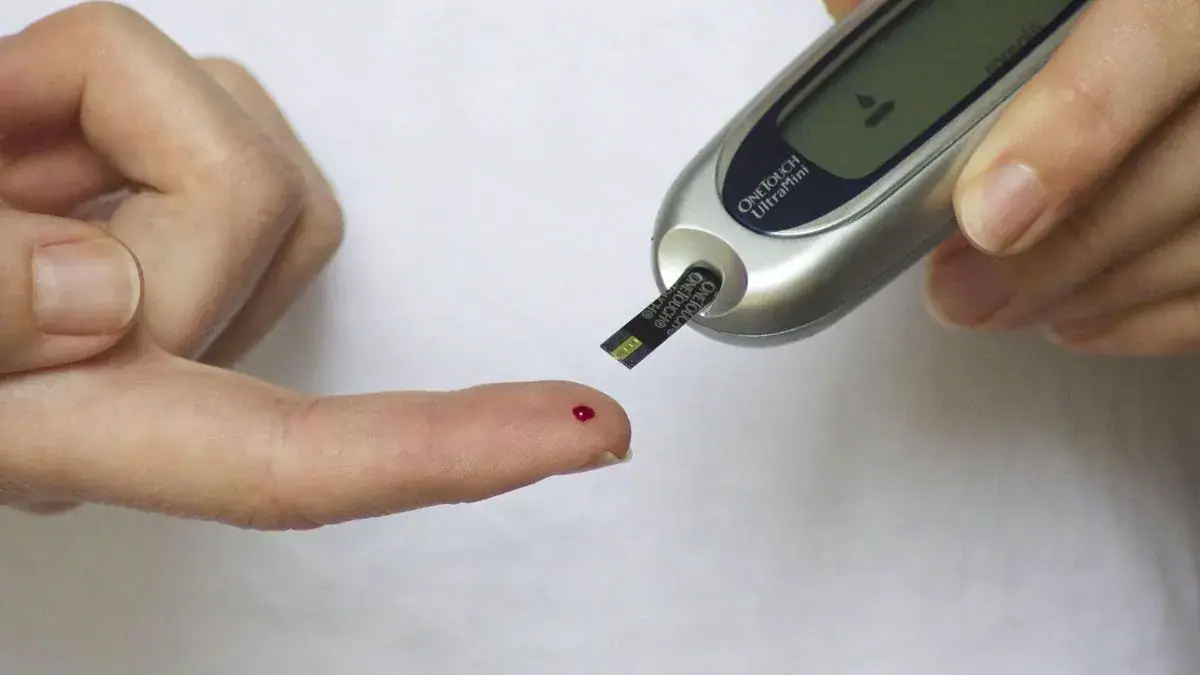
Regular blood glucose monitoring is another crucial aspect of the guidelines. The WHO suggests that this can be achieved through capillary tests or continuous glucose monitoring devices. In settings where these resources are unavailable, the organization recommends using urinary tests as an alternative. This flexibility aims to accommodate healthcare facilities with limited resources and emergency situations.
The implementation of these guidelines poses significant organizational challenges for healthcare systems in North Africa. Beyond the cost of insulin, ensuring the availability of treatments, monitoring equipment, and continuous consultations is essential. National health authorities will need to adapt these international guidelines to their specific capacities and translate them into effective healthcare programs.
The WHO has set a goal of achieving universal access to affordable insulin and self-monitoring by 2030. The organization recognizes that this will require concerted efforts from governments, healthcare providers, and other stakeholders. By providing a framework for managing type 1 diabetes in adults, the WHO aims to improve health outcomes and quality of life for millions of people worldwide.
The guidelines also highlight the need for careful consideration of individual patient needs and circumstances. Treatment plans should be tailored to each person's specific requirements, taking into account factors such as age, lifestyle, and co-existing health conditions. By adopting a patient-centered approach, healthcare providers can optimize treatment outcomes and minimize complications.
The WHO's guidelines for type 1 diabetes in adults represent a significant step towards addressing the growing burden of this condition worldwide. By promoting access to affordable insulin and regular monitoring, the organization aims to reduce health disparities and improve the lives of people living with type 1 diabetes, particularly in resource-constrained regions.
Key points
- The WHO recommends using human insulin as a more affordable option for managing type 1 diabetes in adults.
- Regular blood glucose monitoring is crucial for effective management of type 1 diabetes.
- The WHO aims to achieve universal access to affordable insulin and self-monitoring by 2030.