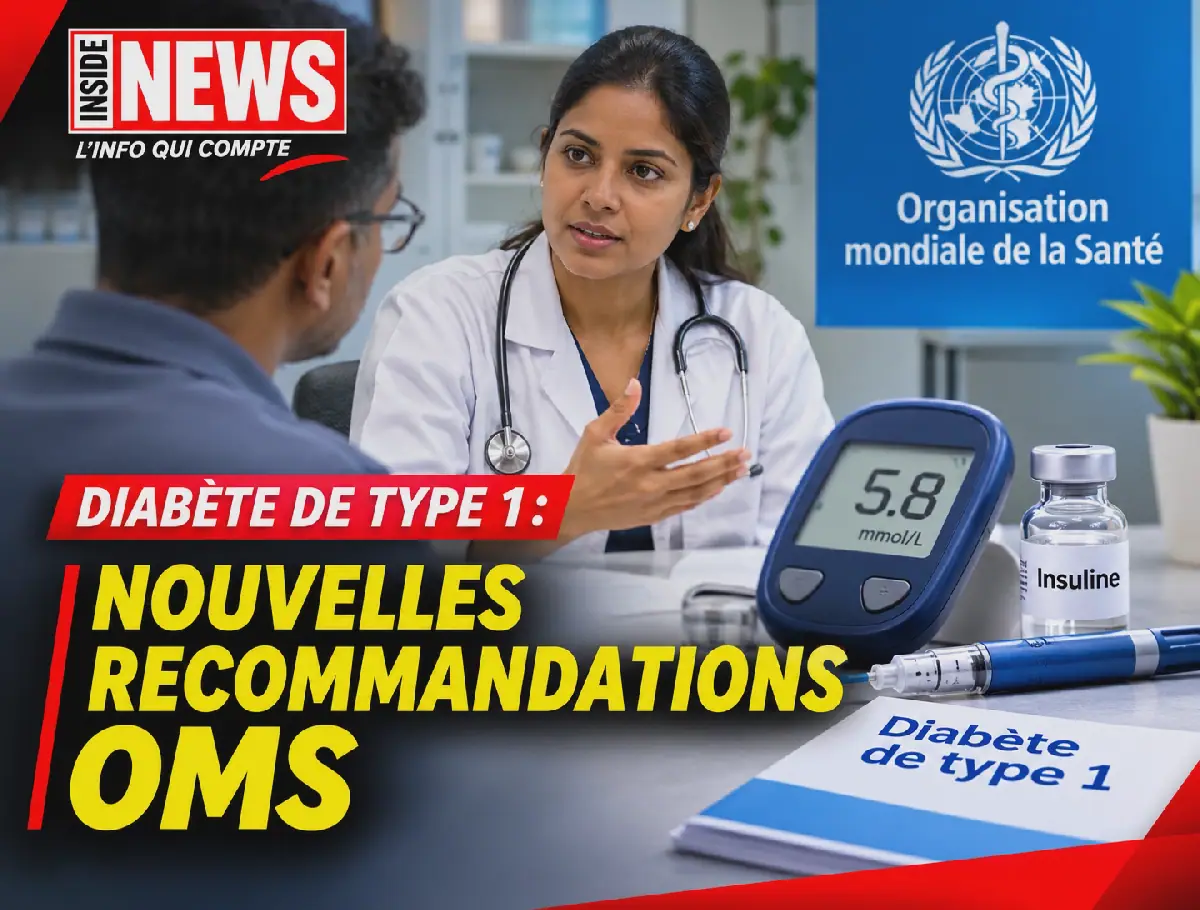
The World Health Organization has released its first global guidelines for type 1 diabetes in adults. These guidelines focus on the diagnosis and management of type 1 diabetes, a chronic condition where the body does not produce enough insulin. Approximately 9.5 million people worldwide lived with type 1 diabetes in 2025, with 500,000 new diagnoses made that year. The guidelines aim to support adults living with the condition, particularly in countries with limited resources and during humanitarian emergencies.
Type 1 diabetes requires daily treatment to manage blood glucose levels. The WHO recommends intensified insulin therapy, typically through multiple daily injections adjusted according to blood glucose levels. Both human insulin and insulin analogues are recognized as effective treatment options, although human insulin may be preferred due to its lower cost. Regular blood glucose monitoring is crucial, which can be done through laboratory analysis, finger-prick tests, or continuous glucose monitoring.
In situations where advanced monitoring solutions are unavailable, urinary glucose testing may be considered, with healthcare professionals explaining its limitations. The guidelines emphasize that these recommendations are for healthcare professionals, program managers, and policymakers, and should not replace individualized patient assessments or justify treatment adjustments without medical supervision.
A significant challenge in managing type 1 diabetes is ensuring access to affordable and quality insulin. The global target is to achieve universal access to affordable treatment and self-monitoring of blood glucose by 2030. The WHO's guidelines serve as a reference point for countries to evaluate their current healthcare infrastructure and identify areas for improvement.
For Mauritius, these guidelines can serve as a useful reference for assessing the availability of different types of insulin, access to testing strips and glucose monitors, therapeutic education, and continuity of care during emergencies. The next step will be to translate these recommendations into national protocols and measure actual access to treatments.
The implementation of these guidelines will require careful consideration of factors such as patient costs, potential shortages, and availability of specialized care. By addressing these challenges, countries can work towards improving the lives of adults living with type 1 diabetes.
The WHO's guidelines for type 1 diabetes in adults represent a significant step towards addressing the global burden of this condition. By providing clear recommendations for diagnosis and management, the organization aims to support healthcare systems in delivering high-quality care to those affected.
Key points
- The WHO recommends intensified insulin therapy and regular blood glucose monitoring for adults with type 1 diabetes.
- The global target is to achieve universal access to affordable treatment and self-monitoring of blood glucose by 2030.
- The guidelines serve as a reference point for countries to evaluate their current healthcare infrastructure and identify areas for improvement.