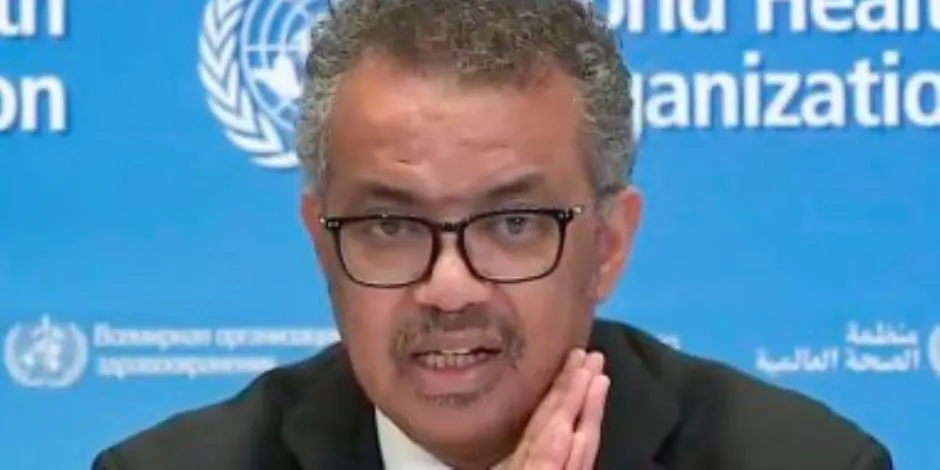
On October 2, 2026, Dr. Tedros Adhanom Ghebreyesus, Director-General of the World Health Organization (WHO), addressed the Regional Committee for the Americas, emphasizing the region's leadership in global health areas, including disease elimination, digital health, local production, primary healthcare, and health equity. He noted that regional cooperation has led to significant public health achievements. The WHO Director-General cited Costa Rica and El Salvador as examples, having become the first countries to issue digital certificates for yellow fever vaccination, aligning with international standards.
Dr. Tedros highlighted the region's continued innovation, with agreements on technology transfer and production enhancing regional manufacturing of seasonal and pandemic influenza vaccines. He congratulated all WHO member states and healthcare workers on their achievements, reflecting political leadership, healthcare worker commitment, and the ongoing value of regional cooperation. The Director-General stressed that these accomplishments demonstrate the region's capacity for collaboration and progress in addressing health challenges.
Despite these achievements, Dr. Tedros noted that the region faces significant challenges, including non-communicable diseases responsible for millions of annual deaths. He cited recent measles and yellow fever outbreaks, revealing persistent immunity gaps. The region has lost its status as measles-free, with vaccination coverage declining to levels below those necessary to prevent outbreaks. These developments underscore the need for sustained efforts to address ongoing health concerns.
The WHO Director-General also emphasized the impact of climate change, with increasing frequency and severity of related disasters. He noted that mental health issues affect approximately 160 million people in the region, alongside accelerating population aging and persistent health inequities. Dr. Tedros stressed that these challenges require comprehensive and coordinated responses to ensure equitable access to healthcare services.
Dr. Tedros discussed the changing landscape of global health financing, with many countries experiencing sudden declines in external support. He noted that the WHO has identified its reliance on a limited number of donors as a key risk since 2017. In response, the organization proposed a plan to increase estimated contributions from 20% to 50% of its core budget by 2022, with the first increase taking effect in 2023.
The WHO has also expanded its donor base through its first investment round, helping mitigate the impact of last year's funding shock. Dr. Tedros reported that the organization has completed restructuring and repositioning, emerging as a more focused, autonomous, and effective entity. The WHO's reserves have doubled since 2017, and its core budget has increased by 23%.
While acknowledging progress, Dr. Tedros emphasized that challenges persist, including the need for more sustainable and predictable funding. Most WHO contributions remain earmarked for specific purposes, leaving some aspects of its work underfunded. The Director-General stressed that the WHO is part of a broader global health architecture, and the organization is committed to working with member states to address these challenges and create a more effective and accountable system.
Key points
- WHO Director-General Dr. Tedros Adhanom Ghebreyesus emphasizes progress in global health security, citing agreements on technology transfer and production.