The World Health Organization (WHO) has issued new guidelines on the treatment of obesity in children and adolescents. According to the guidelines, the WHO advises against using medication or surgery to treat obesity in children under 10 years old. This recommendation is based on concerns that these interventions may not be effective in the long term and may have unintended consequences. Instead, the WHO suggests that children under 10 should focus on lifestyle changes, such as a healthy diet and regular exercise.
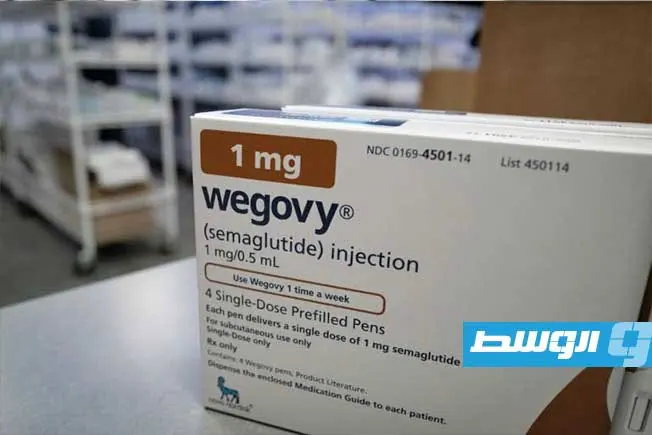
The WHO's guidelines are aimed at children and adolescents under the age of 19. The organization has completely banned the use of obesity medications, including GLP-1 receptor agonists such as semaglutide and liraglutide, as well as obesity surgery for children under 10. For adolescents between the ages of 10 and 19, the WHO permits the use of licensed medications only if they have tried supervised lifestyle modification programs and still require treatment.
The guidelines emphasize the importance of a comprehensive approach to addressing obesity in children and adolescents. According to Maria Nieves Garcia Casal, a nutrition expert at the WHO, obesity treatment should prioritize lifestyle changes, including a healthy diet and regular physical activity. The WHO also recommends that adolescents who are considered for obesity surgery should have severe obesity with complications such as type 2 diabetes or high blood pressure, and have completed physical and mental growth.
The WHO's guidelines come as obesity rates among children and adolescents continue to rise globally. According to recent data, the number of children and adolescents with obesity has increased from 2% in 1990 to 8% in 2024, with over 170 million children and adolescents affected worldwide. This trend is particularly concerning, as obesity in childhood and adolescence can lead to a range of serious health problems, including diabetes, cardiovascular disease, and certain types of cancer.
The WHO's guidelines are intended to help healthcare providers make informed decisions about the treatment of obesity in children and adolescents. By prioritizing lifestyle changes and careful consideration of medication and surgery, the WHO aims to promote healthy weight management and reduce the risk of obesity-related complications in this critical age group.
Key to the WHO's recommendations is the need for a comprehensive and multidisciplinary approach to addressing obesity in children and adolescents. This includes not only healthcare providers but also parents, caregivers, and community leaders, who all play a critical role in promoting healthy lifestyles and preventing obesity. By working together, it is possible to reverse the trend of rising obesity rates and promote a healthier future for children and adolescents worldwide.
The WHO's guidelines on the treatment of obesity in children and adolescents are an important step towards addressing this critical public health issue. By providing a clear and evidence-based framework for treatment, the WHO aims to help healthcare providers, policymakers, and families make informed decisions about how to promote healthy weight management and prevent obesity-related complications in this vulnerable population.
Key points
- The WHO advises against using medication or surgery to treat obesity in children under 10 years old.
- For adolescents between 10 and 19 years old, the WHO permits the use of licensed medications only if they have tried supervised lifestyle modification programs.
- The WHO emphasizes the importance of a comprehensive approach to addressing obesity in children and adolescents, prioritizing lifestyle changes and careful consideration of medication and surgery.