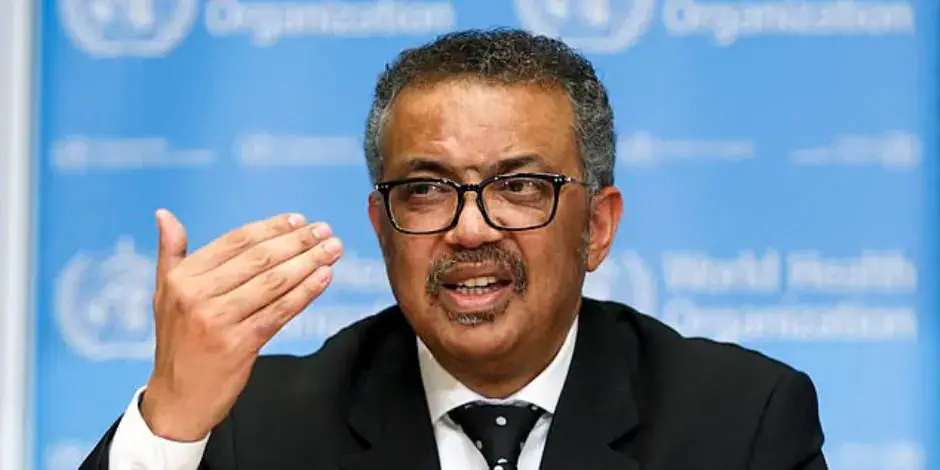
The World Health Organization (WHO) has highlighted the urgent need for countries to take concrete actions to address the health impacts of climate change. Dr. Tedros Adhanom Ghebreyesus, WHO Director-General, made this call during the 31st Conference of Parties (COP31) to the United Nations Framework Convention on Climate Change, currently underway in Turkey. He stressed that the health sector must be a key part of climate action.
Dr. Tedros emphasized that the health impacts of climate change are a major concern, with rising temperatures, changing precipitation patterns, and increased frequency of extreme weather events posing significant risks to human health. He noted that the WHO has been working with countries to develop and implement national plans to address the health impacts of climate change. These plans aim to reduce the health risks associated with climate change.
The WHO has identified six priority actions that can help address the health impacts of climate change. These actions include increasing access to clean energy, improving water and sanitation, and enhancing early warning systems for extreme weather events. Dr. Tedros noted that implementing these actions can help save 1.6 million lives annually. He also highlighted that five of these actions can generate economic returns of up to $24 for every dollar invested.
Dr. Tedros emphasized that the main challenge is not a lack of knowledge about what needs to be done, but rather a lack of resources to implement these actions. He noted that over 90% of countries cite lack of funding as a major obstacle to implementing their national plans. The WHO is working to support countries in addressing these challenges. This includes providing technical assistance and promoting partnerships.
The WHO has launched a new initiative to support countries in building resilient health systems that can withstand the impacts of climate change. This initiative aims to help countries develop and implement national plans to address the health impacts of climate change. Dr. Tedros noted that this initiative has already received support from 39 countries. The WHO is also working with other UN agencies to support climate action.
Dr. Tedros outlined three key demands for health ministers. First, he called on health ministers to implement the Belem Health Action Plan and join the new WHO initiative to build resilient health systems. Second, he emphasized the need for greater collaboration between health, finance, environment, and energy ministries. This includes integrating health considerations into national climate plans and policies.
Finally, Dr. Tedros stressed the need for health to be a central part of climate negotiations. He noted that human health is a critical aspect of the climate crisis and should be reflected in climate agreements and funding. The WHO will continue to support countries in addressing the health impacts of climate change. This includes providing technical assistance and promoting partnerships to support climate action.
Key points
- Implementing six priority actions can help save 1.6 million lives annually.
- Lack of funding is a major obstacle to implementing national plans.
- Health ministers must play a key role in climate negotiations.
Reporting sources
- Sawt Al-Umma · Sawt Al-Umma