Volkswagen Group Africa's 75th anniversary celebrations highlight the significant role the company plays in Nelson Mandela Bay's socioeconomic ecosystem. As the largest private employer in the Eastern Cape, VWGA's 3,600 employees represent at least 3,600 families, with a salary bill of over R4-billion annually. The company's impact extends beyond its employees, with over 1,400 suppliers, mostly based in the Bay, employing at least 50,000 people. These suppliers contribute to the local economy, paying municipal rates and services, and investing in their own businesses.
The economic significance of VWGA is substantial, with an estimated 40% of the municipal rates and services income in Nelson Mandela Bay coming from large and medium-sized businesses, amounting to R6.7-billion in 2025. The company's investment in the Kariega plant has exceeded R13-billion since 2011, supporting local business opportunities and jobs in various sectors, including production, engineering, construction, and professional services. This investment has also brought world-class manufacturing technology and advanced skills to the local manufacturing sector.
VWGA's impact on the national economy is also significant, as the country's largest vehicle exporter, with vehicles and components worth over R36-billion exported last year. This contributes to the national GDP and a positive trade balance. The company's production of the VW Polo for global markets showcases its capabilities and supports local business opportunities.
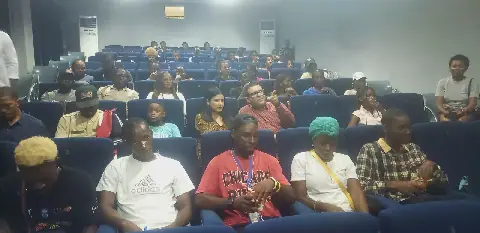
Lindithemba Sdeba, director for partnerships and linkages at Eastcape Midlands TVET College, highlighted the human story of VWGA's impact on the local community. He emphasized that the company's investment in the community goes beyond just building cars, with initiatives such as early childhood education, youth centers, schools, and businesses. Sdeba noted that the community strongly believes it has a role in protecting VW and ensuring it receives the support it needs.
Nelson Mandela Bay has experienced significant job losses in the manufacturing sector, with 6,000 jobs lost over the past two years, including 900 jobs lost with the closure of the Goodyear plant in Kariega. Sdeba emphasized that the community is willing to protect the VW plant, which represents a safe space for generations and a beacon of hope. He highlighted the role played by VW's bursaries for its employees' children, providing education for artisans, teachers, and social workers.
The story of VWGA's impact in Kariega illustrates the deep impact of automotive manufacturing on the South African economy. Other automotive manufacturers, such as Isuzu Motors SA and Ford SA, have similar local economic impacts, and the cluster of manufacturers amplifies the impact through a shared network of suppliers. This shared network provides resilience and the ability to coordinate different technical, quality, and delivery standards.
The ripple effects of VWGA's impact cannot be compared to those of semi-knocked down vehicle assemblers or manufacturers importing most of their components. While initial investments and construction phase jobs are welcomed, they make a limited contribution to the local economy compared to the long-term impact of established manufacturers like VWGA. The company's 75-year history in Kariega serves as a testament to the importance of supporting and protecting local manufacturing.
Key points
- Volkswagen Group Africa's 75-year history in Kariega highlights the significant impact of manufacturing on Nelson Mandela Bay's economy.
- The company's investment in the Kariega plant has exceeded R13-billion since 2011, supporting local business opportunities and jobs.
- Nelson Mandela Bay has experienced significant job losses in the manufacturing sector, with 6,000 jobs lost over the past two years.