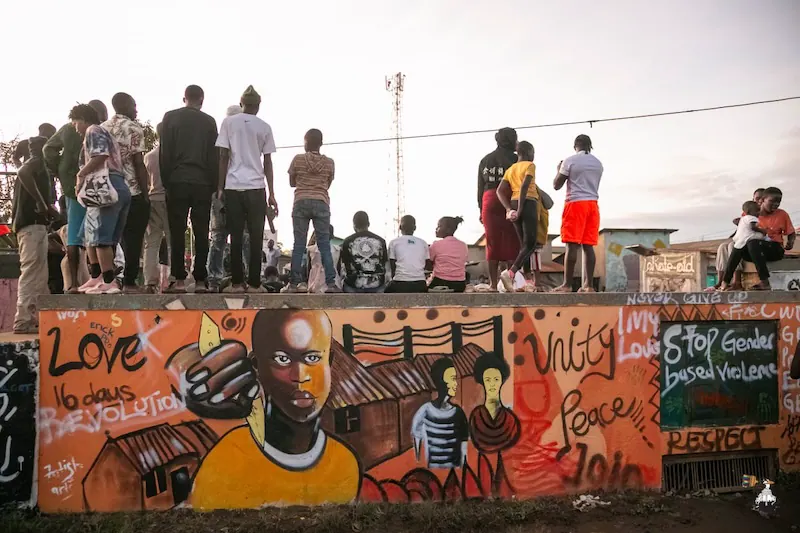
The fifth Human Rights Are Universal Arts Festival, set to take place at Xenson Art Space in Kamwokya from October 9 to 17, will explore the theme "Threads of Belonging." The festival, organized by East African Visual Artists, brings together visual art, film, performance, music, literature, and dialogue around questions of identity, dignity, inclusion, and shared humanity. This year's event aims to spark conversations about the connections between people in a world where technology is rapidly changing relationships, communication, and identity.
According to Vincent Kyabayinze, founder and executive director of East African Visual Artists, artists working on human rights and social issues often face challenges and backlash. He notes that while the organization has not had an artist arrested, many have been questioned and threatened over their work. The pressure can come from formal institutions or online comments, where artists are asked to explain their work, and sometimes face threats. This can lead to self-censorship, with artists removing their work to avoid controversy.
EAVA provides a legal support mechanism for artists whose work attracts unwanted attention. Kyabayinze explains that the first response is often to understand what is happening and help the artist navigate the conversation. The goal is not necessarily to seek confrontation but to provide a safe space for artists to express themselves. This support is crucial, as artists may not be looking for a fight but simply want to engage in a dialogue.
Kyabayinze emphasizes that artistic expression should not be reduced to propaganda. He argues that art should retain its integrity and leave room for interpretation, rather than conveying a straightforward message. For example, a painting of a bruised woman crying can effectively communicate domestic violence without explicitly stating it. This approach allows viewers to bring their own experiences to the encounter, making the art more impactful.
EAVA's approach to artistic practice and advocacy is unique. The organization works with creatives because it believes art can communicate experiences in ways that conventional advocacy may not. Kyabayinze cites projects like "Life on the Street," a documentary about women engaged in sex work, and "A Silent Disease," which examines substance abuse through the story of an educated man. These stories complicate easy assumptions and force audiences to look beyond the surface of social problems.
The relationship between artistic freedom and public engagement is complicated. Artists need freedom to explore uncomfortable subjects, while audiences need freedom to interpret and disagree. EAVA's festival provides a space where these tensions can be held in public. The previous edition, themed "Defend," brought together over 65 artists for exhibitions, performances, workshops, and panel discussions. This year's event continues that approach, with a focus on "Threads of Belonging."
The festival will feature a range of activities, including an information exhibition, health camp, performances, film, music, dance, and a visual arts residency exhibition. One of the discussions, "Our Lives Online," will explore online security and data protection. The program suggests that artistic freedom cannot be separated from the conditions in which artists live and work. Kyabayinze stresses that artists have responsibilities, and EAVA takes participating artists through the laws and rights relevant to their work.
Key points
- Artistic expression can be restricted through intimidation and self-censorship.
- EAVA provides legal support to artists facing backlash for their work.
- The organization emphasizes the importance of artistic integrity and room for interpretation in socially engaged art.