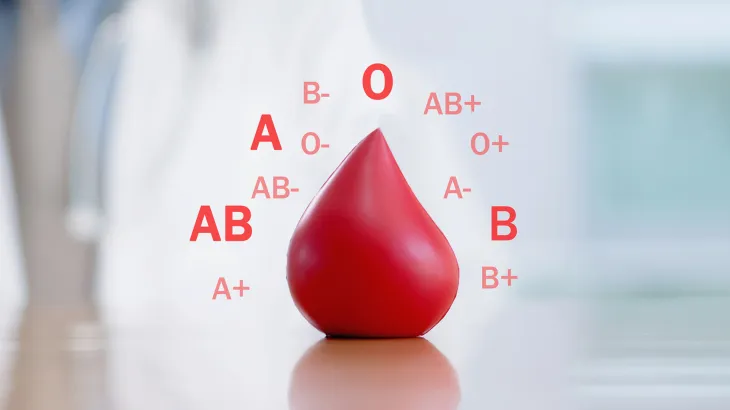
Transferring the wrong blood type can lead to a severe immune response, beginning with symptoms such as fever and sudden pain, which can progress to destruction of red blood cells, kidney injury, coagulation disorders, and hemorrhagic shock. A 2025 scientific review published on sciencedirect found that transfusing red blood cells incompatible with the patient's ABO blood type was associated with a 6.3% mortality rate and 23.9% severe complications.
Red blood cells have specific markers known as antigens. When red blood cells with foreign antigens enter the body, the immune system identifies them as foreign objects and attacks them using pre-existing antibodies in the blood. This leads to rapid destruction of the transfused red blood cells, known as acute hemolytic transfusion reaction. According to medlineplus, this reaction can occur rapidly.
Symptoms can appear during or shortly after the blood transfusion. Early signs include sudden high fever, severe chills, chest or back pain, shortness of breath, rapid heartbeat, anxiety or severe discomfort, and low blood pressure. Patients are closely monitored during blood transfusions to quickly detect any abnormal reactions, as stated on rightdecisions.
When the immune system attacks incompatible red blood cells, these cells rupture within blood vessels, releasing their contents into the bloodstream. This causes an increase in free hemoglobin levels in plasma, and urine may turn dark brown or red due to the excretion of broken-down blood products through the kidneys.
One of the most serious complications is that the kidneys may be subjected to severe stress while trying to eliminate broken-down red blood cells. In severe cases, acute kidney failure may occur, requiring specialized treatment. A strong immune response can also lead to severe hypotension or circulatory shock, a life-threatening medical emergency, according to rightdecisions.
In some cases, the immune reaction can lead to widespread activation of the body's coagulation system, resulting in the formation of small blood clots in blood vessels, consuming coagulation factors, a condition known as disseminated intravascular coagulation (DIC). This can cause severe bleeding and multiple organ complications.
Although modern blood testing systems have made such incidents extremely rare, incorrect blood type transfusion is still considered one of the most serious potential medical errors. A scientific review of cases recorded in the United Kingdom found that some cases of incompatible blood transfusion led to severe complications, intensive care admission, and death, as reported on pubmed.
Key points
- Incorrect blood type transfusion can lead to severe immune response and complications.
- Monitoring patients during blood transfusions is crucial to detect abnormal reactions.
- Implementing safety measures, such as verifying patient and blood type, can prevent errors.