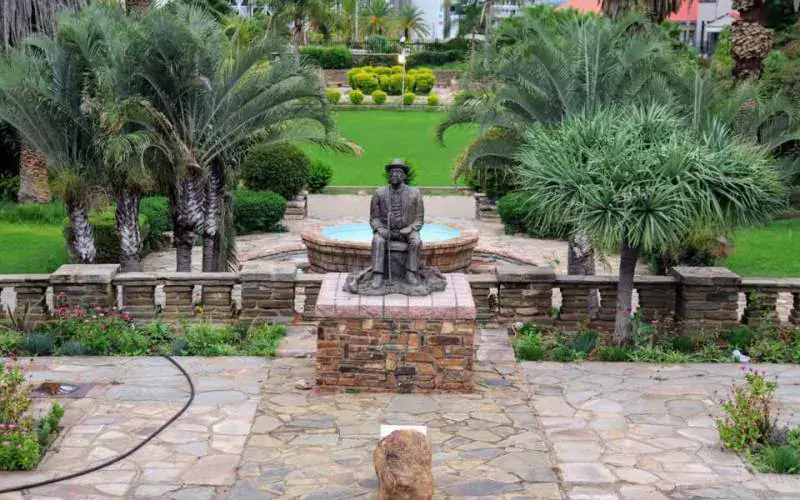
The City of Windhoek's inability to maintain its parks, particularly Zoo Park, has sparked questions about the role of the Parks Department and the use of public funds. Zoo Park, once a popular gathering place, has deteriorated to the point where the city's chief executive officer, Moses Matyayi, has acknowledged that the municipality cannot guarantee safety in certain parts of the park. This has raised concerns about the city's ability to provide safe and accessible public spaces.
The city's plans to revitalize Zoo Park have been ongoing for years, with a recent tender advertised for landscaping and irrigation improvements. However, the fact that the park's amphitheatre has remained unused for over 15 years has raised questions about accountability and the effectiveness of previous rehabilitation initiatives. The city's decision to enter into a memorandum of agreement with Innovate Group in November 2023 to coordinate private-sector support for the renovation of Zoo Park has also been met with skepticism.
The financial struggles of Zoo Park have been highlighted, with the park generating less than N$15 000 in revenue in 2023, while security costs approximately N$12 000 a month and horticultural maintenance around N$25 700 a month. This has led to questions about the commercial viability of the park and whether it can ever become a sustainable public space. However, the importance of public parks as essential municipal services has been emphasized.
The closure of the Tintenpalast Gardens to the public for over a decade due to "security concerns" has also raised concerns about the government's management of public spaces. The lack of transparency around these concerns and the absence of alternatives has led to calls for the government to explain its decision and consider alternative solutions, such as controlled access or opening hours.
The issue of Windhoek's parks has broader implications for the city's development and its aspiration to be a modern African capital. The city's need for attractive, safe, and accessible public spaces has been emphasized, and the importance of the Parks Department in providing these spaces has been highlighted. The public's right to access and enjoy public spaces has also been emphasized.
The City of Windhoek needs to provide answers about what went wrong at Zoo Park, what happened to previous rehabilitation initiatives, and what the current plan will cost and when residents can expect to see results. The government also needs to explain why the Tintenpalast Gardens remain closed and what would have to happen for the public to reclaim access to this important national space.
Key points
- The City of Windhoek's inability to maintain its parks has raised concerns about its ability to provide safe and accessible public spaces.
- The closure of the Tintenpalast Gardens has been criticized for lacking transparency and alternatives.
- The issue of Windhoek's parks has broader implications for the city's development and its aspiration to be a modern African capital.