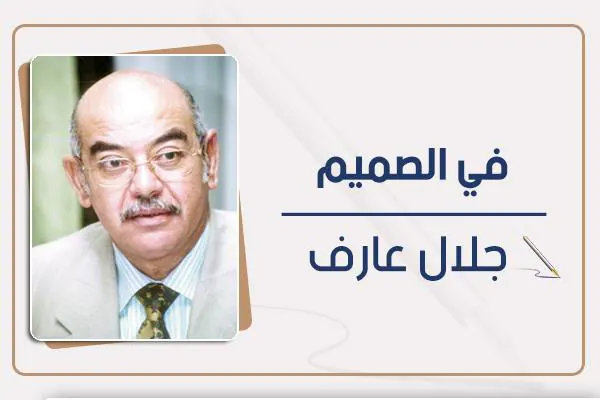
Egyptian analyst Jalal Aref has written a commentary on the recent Iranian-American talks that took place on the sidelines of the UN General Assembly in New York. Aref's article, published in Al Akhbar, questions whether these talks mark the beginning of a genuine effort to revive serious negotiations to end the war. The analyst notes that while US President Trump has described the talks as "very productive," they were accompanied by the threat of military action and new US sanctions.
According to Aref, the reality on the ground suggests that it is time to shorten the path to the negotiating table. Both Iran and the US have become increasingly convinced of the need to end the war, which has escalated costs for both sides. Iran's resistance has come at a great cost, with severe sanctions and war-induced destruction. Meanwhile, US involvement in the war has risen in cost, with many Americans viewing it as "not their war."
Aref argues that the circumstances pressuring both sides are significant, and despite tough rhetoric, a negotiated solution is imposing itself on decision-makers in both countries. The analyst cites China and European countries, led by France, as pushing for a rapid resolution to the crisis due to fears of an energy crisis that could cause an economic catastrophe for the world.
The current talks focus on a foundational step to open the Strait of Hormuz and end military operations in exchange for lifting the blockade and easing sanctions. Aref notes that while details are still being disputed, the basis is a rapid breakthrough to break the cycle of escalation and provide Iran's economy with the financial resources it needs.
Aref also suggests that a negotiated solution would provide the US with an opportunity to calm markets before the elections and give countries in the region and around the world a chance to reorganize and pressure for an end to the war. The goal is to establish rules to ensure regional security, far from the conflicts of major powers and the ambitions of war criminals wanted by international justice.
In Aref's view, there is no room for optimism or pessimism in politics, only strategic calculations. He believes that every possibility is open in this senseless war, and what has been wasted in opportunities is enough to teach all parties that the war is over, and all that remains is to acknowledge it.
Aref concludes that a new opportunity is emerging to end the senseless war, and what has been lost can serve as a lesson to learn that the war is over. The remaining complexities are merely details to be worked out.
Key points
- The Iranian-American talks on the sidelines of the UN General Assembly may mark a turning point in efforts to end the war.
- A negotiated solution to the crisis is being pushed by China and European countries.
- The goal of the talks is to establish a foundation for breaking the cycle of escalation and ensuring regional security.