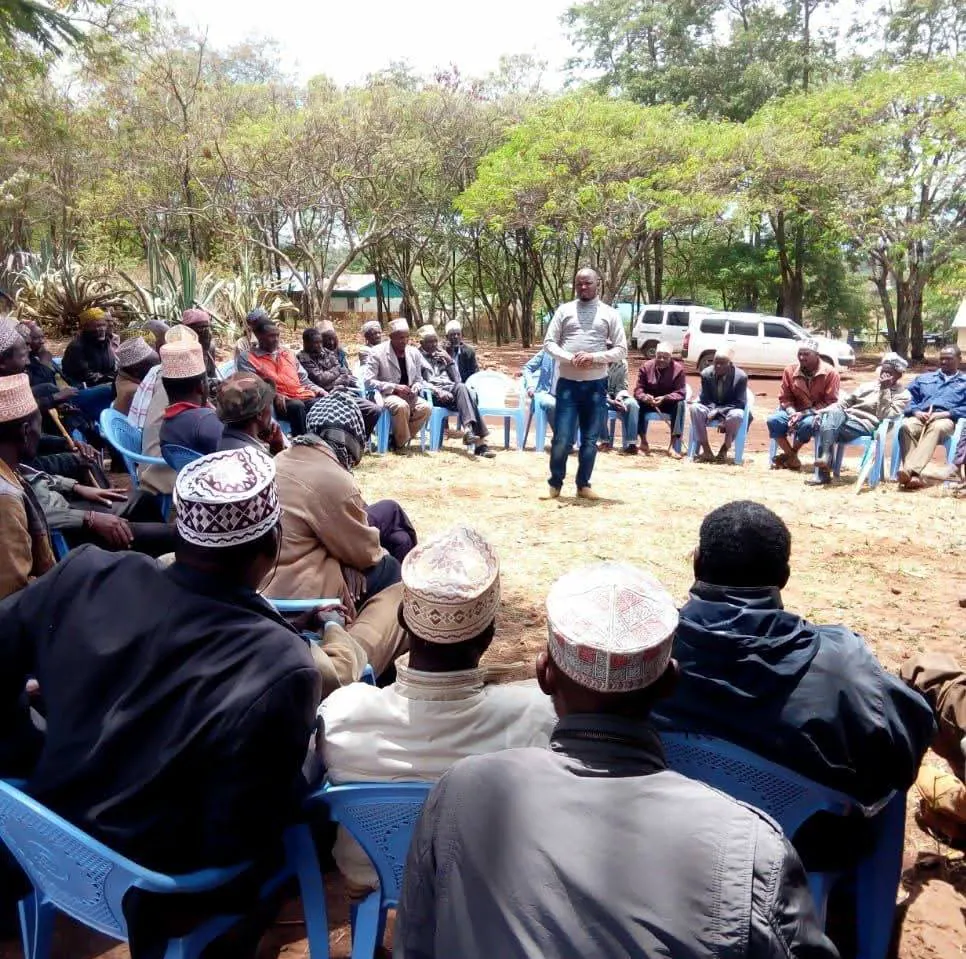
In the Horn of Africa, a unique system of governance has been practiced for generations by the Boorana Oromo people of southern Ethiopia and northern Kenya. The Boorana Gadaa system, inscribed by UNESCO in 2016 as an Intangible Cultural Heritage of Humanity, regulates political and social life, protects women's rights, and ensures peaceful transfer of leadership every eight years. This system has been in place for centuries, providing a stable and democratic model that East African leaders can learn from. With Kenya's 2027 election approaching, peacebuilding groups estimate the risk of pre-election violence at between 70 and 82 percent.
The Boorana Gadaa system is characterized by a fixed eight-year cycle of leadership rotation among five Gogeessa: Addii Doyyoo, Boru Galmaa, Liiban Kusee, Arero Geedoo, and Bulee Dabassaa. Each Gogeessa governs for one eight-year period, then hands over to the next, returning to the first after 40 years. This rotation is built into the structure itself, eliminating the need for force or coercion to determine leadership succession. In contrast, East Africa's modern pattern has seen leaders amend constitutions to erase term limits, leading to disputed results, ethnic mobilizations, coups, or leaders who refuse to leave office.
One key lesson from the Boorana Gadaa system is that leadership is treated as something built over decades, not switched on by an election. Members pass through age-grades from childhood, absorbing law, custom, and ritual responsibility long before they are eligible to lead. This approach allows for a more structured and merit-based selection of leaders, rather than relying on patronage, money, and ethnic arithmetic. African parties and civic institutions can learn from this approach by building structured pipelines that expose future leaders to responsibility long before a national mandate.
The Boorana Gadaa system also emphasizes the importance of community involvement in leadership succession. The Balli Walirafudhu handover ceremony is a critical event where authority passes from the outgoing ruling class to the incoming one, treated by the whole community as final and binding. This approach helps to prevent disputes and violence that often arise from contested election results. In contrast, East Africa's politics often concentrate almost all democratic energy into a single day, leaving the gap for disputes and violence to emerge.
Another crucial lesson from the Boorana Gadaa system is its cross-cutting design, which mixes identities rather than reinforcing them. The five Gogeessa that hold political authority cut across ethnic lines, preventing any single clan from capturing the system. This approach offers a template for structures that promote inclusivity and diversity, rather than ethnic mobilization. Kenya's 2007-08 violence was driven largely by ethnic mobilizations, highlighting the need for more inclusive and diverse leadership structures.
The Boorana Gadaa system also emphasizes the importance of ongoing consultation and accountability. The Gumi Gaayo assembly reviews laws, arbitrates disputes, and holds leaders accountable through ongoing consultation, not just a ballot cast once every few years. This approach allows for more robust democracies with standing institutions that keep working every day of the cycle, not just during elections. East Africa's politics can learn from this approach by strengthening institutions and promoting ongoing accountability.
The Boorana Gadaa system provides a unique model for East African leaders to learn from, particularly in the context of Kenya's 2027 election. By studying the system's design and implementation, leaders can gain insights into how to promote peaceful transfer of leadership, build structured pipelines for leadership selection, and foster inclusive and diverse leadership structures. While the system has its own limits, it offers a valuable example of how democracy can be practiced in a stable and peaceful manner.
Key points
- The Boorana Gadaa system's fixed eight-year cycle of leadership rotation eliminates the need for force or coercion to determine leadership succession.
- The system's cross-cutting design promotes inclusivity and diversity, preventing any single clan from capturing the system.
- Ongoing consultation and accountability are critical components of the Boorana Gadaa system, allowing for more robust democracies with standing institutions.