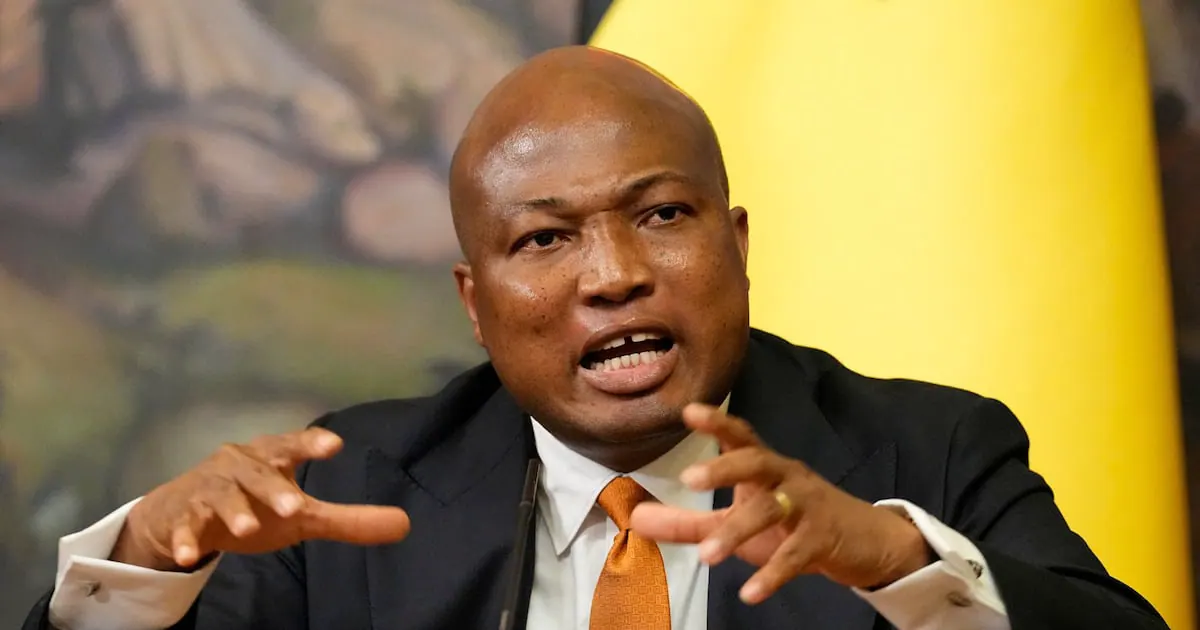
Ghana, a leading advocate for reparations for the trans-Atlantic slave trade, has reported growing support from Western countries for its efforts. The Ghanaian government has launched a campaign focused on restitution, with the initial emphasis on the return of looted artefacts. According to Ghanaian foreign minister Samuel Okudzeto Ablakwa, several Western countries have expressed their willingness to collaborate with Ghana on this issue. This development was announced at an event on reparatory justice co-hosted by Ghana, Germany, and France on the sidelines of the UN General Assembly.
The campaign for reparations, led by Ghana, is based on a 19-point plan adopted by the African Union and the Caribbean Community Commission on Reparatory Justice at a conference in Ghana in June. This plan includes not only the restitution of looted artefacts but also formal apologies, debt relief, and financial compensation. The plan aims to address the historical injustices and ongoing impacts of the trans-Atlantic slave trade, which saw approximately 12.5 million Africans forcibly transported across the Atlantic between the 16th and 19th centuries.
The trans-Atlantic slave trade, which lasted for nearly four centuries, had a profound impact on the lives of millions of Africans and the development of Western powers. The trade generated vast wealth for European countries, particularly Portugal and Britain, which were responsible for transporting more than 70% of all enslaved Africans across the Atlantic. However, this wealth was built on the backs of enslaved people who suffered immense human rights abuses and were subjected to forced labor on plantations and in mines.
In March, the UN passed a resolution recognizing trans-Atlantic slavery as "the gravest crime against humanity," with 123 votes in favor and three against. A total of 52 countries, including several EU members and the UK, abstained from the vote. Since then, many European countries have expressed their support for Ghana's efforts, with some pledging to return artefacts looted during the slave trade. The UK and Portugal have offered support, while the US has also expressed its willingness to work with the Ghana-led effort.
According to Ablakwa, several European countries have reached out to Ghana to express their support for the reparations campaign. France, Germany, and the Netherlands have pledged their willingness to return artefacts, which Ablakwa considers a crucial step in the journey towards reparatory justice. "Restitution is very important to this journey," he said. "The artefacts ought to be returned to the motherland."
The growing support for reparations from Western countries is seen as a significant development in the campaign for historical justice. Ablakwa emphasized that the journey towards reparatory justice is ongoing and will require continued collaboration between Ghana and its international partners. The campaign's focus on restitution, apologies, debt relief, and financial compensation aims to address the enduring economic and social impacts of the trans-Atlantic slave trade.
As the campaign for reparations continues to gain momentum, Ghana and its international partners will need to navigate complex issues related to historical justice and reparation. The country's efforts have sparked a renewed conversation about the legacy of the trans-Atlantic slave trade and the need for accountability and redress. With growing support from Western countries, Ghana's campaign for reparations is likely to remain a significant topic of discussion in international forums.
Key points
- Western countries are increasingly supporting Ghana's efforts for reparations for the trans-Atlantic slave trade.
- The campaign for reparations is based on a 19-point plan that includes restitution, apologies, debt relief, and financial compensation.
- Several European countries, including France, Germany, and the Netherlands, have pledged to return artefacts looted during the slave trade.