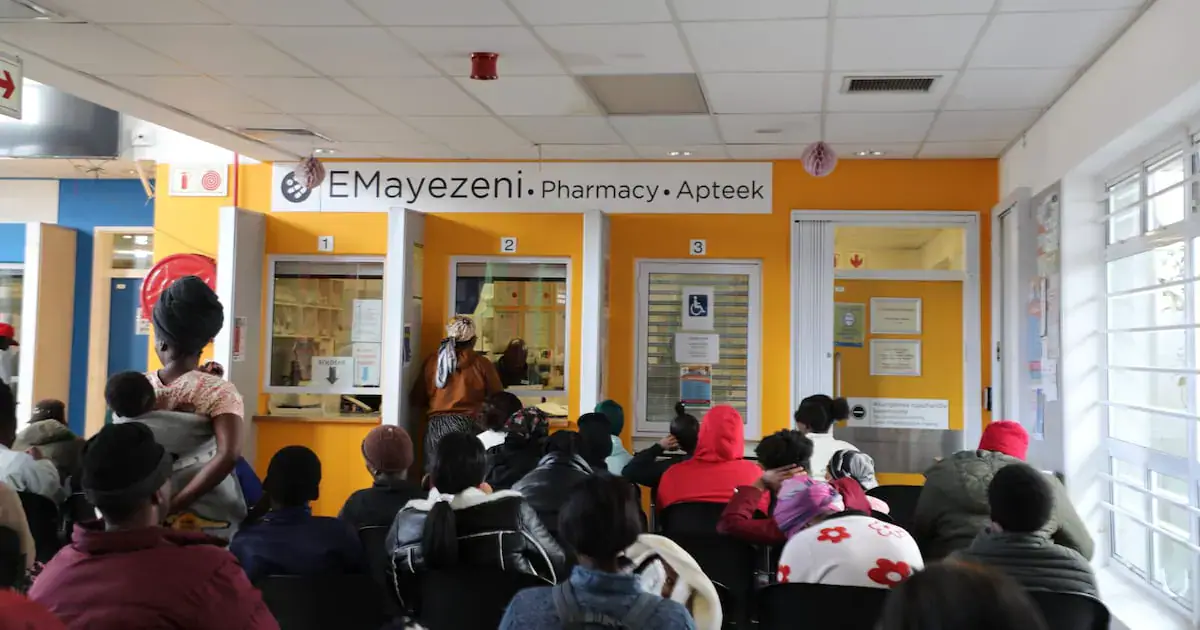
The Western Cape government has urged the national government to intervene urgently to address persistent public sector medicine shortages. Health and wellness MEC Mireille Wenger first raised concerns about medicine stock-outs on June 2, ahead of the National Health Council meeting on June 11. Despite this, shortages persist, pressuring healthcare services and patients who rely on essential and chronic medication.
In September, Wenger wrote to health minister Dr Aaron Motsoaledi requesting urgent action and clear timelines to stabilise medicine supplies. She has now approached transport minister Barbara Creecy for assistance in identifying and resolving potential logistical bottlenecks at South African ports that could be contributing to delays in getting imported medicines to public healthcare facilities.
Wenger requested that the processing and movement of imported medicines be prioritised, particularly at the Port of Durban, where concerns have been raised about possible delays. She emphasised that every unnecessary delay in getting medicines into the country is another delay in getting them to patients who need them. The provincial department is seeking urgent co-ordination between authorities, terminal operators, and other stakeholders to identify and address potential obstacles.
The shortages reflect a combination of pressures across the pharmaceutical supply chain, including manufacturing constraints, international shipping disruptions, supplier backorders, procurement challenges, regulatory delays, and delays in the testing and release of some medicines. Once imported medicines arrive in South Africa, they must undergo quality testing before distribution to healthcare facilities, a process that can take between three and four weeks.
Wenger said healthcare teams are working to manage inconsistent medicine availability by sourcing alternatives and redistributing available stock. However, these measures are becoming increasingly difficult as shortages persist. She called for co-ordinated monitoring of medicine availability across provinces to improve early identification of shortages, strengthen planning, and facilitate the redistribution of available stock where appropriate.
The Western Cape department of health and wellness is monitoring stock levels and supplier performance weekly at the Cape Medical Depot and reporting the information to national government. Other measures include redistributing medicines between facilities, sourcing alternatives, and supporting temporary imports where necessary. Patients are advised to continue collecting their medication and to speak to a healthcare professional if their usual medicine is unavailable.
The national department of health is aware of the medicine stockout problem and is preparing a comprehensive statement to unpack it. Wenger stressed that patient safety must always come first, and the necessary testing processes cannot be compromised.
Key points
- Western Cape government calls for urgent national intervention to address medicine shortages
- Shortages reflect a combination of pressures across the pharmaceutical supply chain
- Healthcare teams are working to manage inconsistent medicine availability by sourcing alternatives and redistributing available stock