The Western Cape's environment, known for its beauty and biodiversity, is facing significant threats, according to CapeNature's latest State of Conservation Report. The report, released annually, provides a detailed assessment of human impact on the region's ecosystems, species, and habitats. The findings are stark, with many species and ecosystems showing signs of considerable strain. The report highlights the need for urgent attention to address these issues and protect the region's natural heritage.
The report assesses the state of various ecosystems, including estuaries, freshwater systems, and land ecosystems. The results are concerning, with 22 endangered and 23 vulnerable estuaries, and 29 critically endangered and 27 endangered freshwater systems. Additionally, 174 land ecosystems are threatened, including 42 that are critically threatened. These findings suggest that human activities are having a significant impact on the region's ecosystems, with potentially severe consequences for biodiversity.
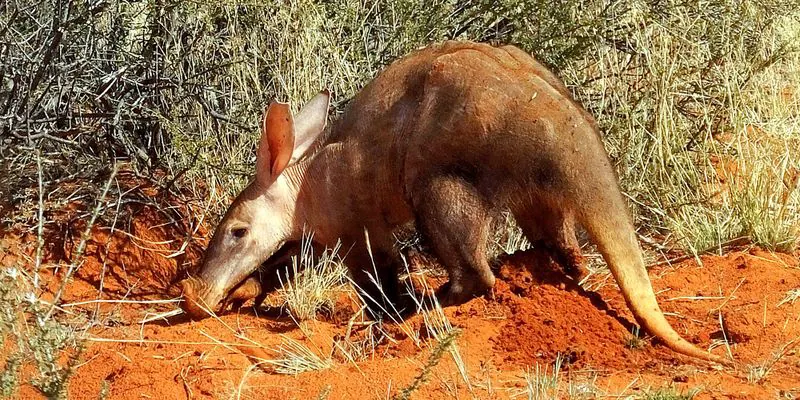
The report also examines the status of various species in the Western Cape, including indigenous species, plants, sharks, and birds. The findings are alarming, with many species facing significant threats. For example, the riverine rabbit has been upgraded from critically endangered to endangered, but other species, such as the aardvark, Lesueur's hairy bat, and the laminate vlei rat, have declined to near threatened or vulnerable status. The decline of the Natal long-fingered bat is attributed to collisions with wind turbines.
Plant species are also facing significant threats, with 297 critically endangered, 688 endangered, and 981 vulnerable species identified. The Western Cape is home to nearly half of South Africa's floral diversity, but a large proportion of its threatened plants are found in the region. The loss of these plant species could have severe consequences, as many are found nowhere else and there are no backup populations to draw on.
The report also highlights concerns about human activities, such as plant poaching, fire, and pollution. Plant poaching increased sharply after 2020, driven largely by the demand for succulent species. Fire is also a major concern, with 29 fires recorded in the 2025/26 fire season, more than three times the 25-year average. Most of these fires were lit by people, and they had a significant impact on the region's ecosystems.
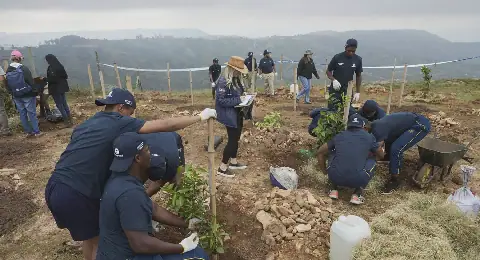
Despite the alarming findings, the report also highlights some positive developments. In the past year, 25 new nature reserves were declared, adding 44,233 hectares under CapeNature protection. Seven more sites are being lined up, which will add another 20,000 hectares when the paperwork is finalized. Additionally, 7,000 hectares of invasive vegetation were cleared in the Berg River area, and 11,663 fledgling gannets left Bird Island after the breeding season.
The report concludes that the Western Cape's biodiversity is facing significant threats, but that organizations like CapeNature are working to protect the region's natural heritage. The findings highlight the need for urgent attention and action to address these issues and ensure the long-term conservation of the region's ecosystems and species.
Key points
- The Western Cape's biodiversity is facing significant threats, with many species and ecosystems showing signs of considerable strain.
- Human activities, such as plant poaching, fire, and pollution, are major contributors to the decline of the region's biodiversity.
- Conservation efforts, such as the declaration of new nature reserves and the clearing of invasive vegetation, are underway to protect the region's natural heritage.