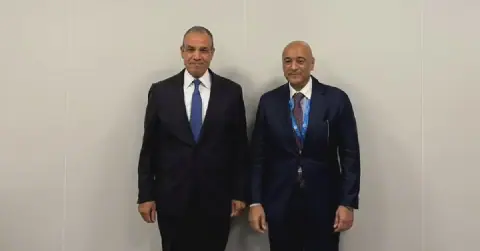
The Western Cape Education Department (WCED) has approved a temporary tariff relief for contracted learner transport operators in the province. This decision comes after days of uncertainty over rising fuel costs and the sustainability of services. Western Cape Education MEC Jaco Londt confirmed that the department will implement a temporary contract variation covering the second and third school quarters of 2026.
Under the relief package, operators will receive a 5% increase in the total monthly amount payable for services rendered during the second school quarter, as well as a 4.2% increase for services rendered during the third school quarter. This move follows a dispute between the WCED and the South African National Small Bus Operators Council, Western Cape (SANSBOC-WC), which earlier in the week suspended learner transport services for one day, affecting 21,934 learners on the first day of the fourth school term.
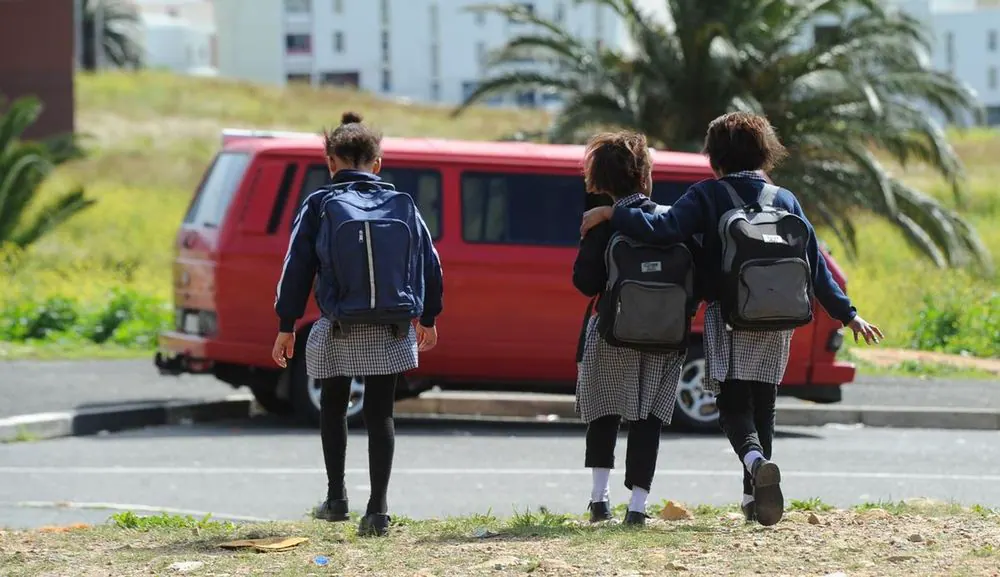
The one-day suspension of services raised concerns among parents, schools, and rural communities, particularly where contracted learner transport is often the only practical way for children to reach school. The disruption occurred before operators agreed to resume services following talks with Londt and the department. Londt said the relief was approved after engagements with learner transport stakeholders and an assessment of the impact of fuel price increases on operators.
The WCED spends about R698 million in the 2026/27 financial year transporting more than 71,000 learners every school day. Londt stated that the department recognises the financial pressure that fuel price increases have placed on contracted learner operators. He emphasised that the temporary tariff relief is aimed at helping maintain services while ensuring that public money is managed responsibly.
The department's intervention is significant as the province enters the final examination period, with more than 83,000 full-time and part-time candidates set to sit for the National Senior Certificate examinations over the next two months. Many of these candidates rely on public and contracted transport to reach examination venues. Londt appealed to all parties to avoid further disruptions during the exam period, highlighting the importance of every examination opportunity.
Londt warned that delays in examinations could affect access to tertiary education and employment opportunities. He stressed that should a candidate miss an examination, they may only have the opportunity to write that paper in the following year. The temporary tariff increase addresses the immediate financial pressure faced by operators during the second and third quarters, but the longer-term sustainability of learner transport contracts and future fuel price increases remain an issue.
The WCED says its priority is to keep services running without further disruption as schools enter one of the most important periods of the academic year. The department remains committed to working constructively with learner transport operators and their representative bodies to ensure that learners continue to travel safely and reliably to school. For now, the temporary relief brings stability to the learner transport sector, which is crucial for the education of thousands of learners in the Western Cape.
Key points
- The Western Cape Education Department has approved a temporary tariff relief for learner transport operators, providing a 5% increase for services rendered during the second school quarter and a 4.2% increase for the third school quarter.
- The relief package aims to address the financial pressure faced by operators due to rising fuel costs and ensure the sustainability of learner transport services.
- The temporary tariff relief is crucial for maintaining services during the final examination period, which is set to start soon.