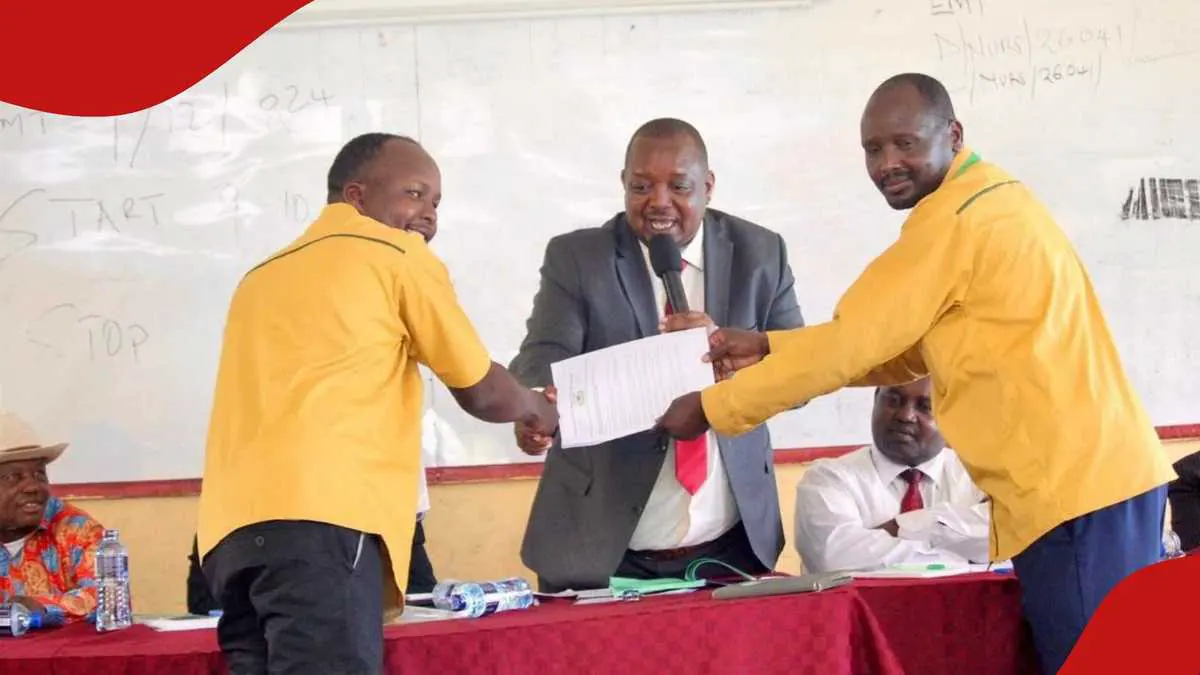
A disagreement has emerged between two of Kenya's largest teachers' unions, KUPPET and KNUT, over the governance structure of Junior School in West Pokot county. The disagreement was revealed during a National Assembly Education Committee public participation session in Kapenguria. The session was part of the committee's review of six education bills, including the Basic Education (Amendment) Bill, 2026, and the Kenya National Qualifications Framework (Amendment) Bill, 2026.
KUPPET officials in West Pokot county argued that Junior School should be granted full autonomy, even when located within a primary school compound. They insisted that the head of the Junior School must hold a post-primary degree. Alfred Kamuto, the KUPPET Executive Secretary in West Pokot, stated that a teacher with a P1 certificate or a diploma in primary education cannot supervise or mentor degree holders teaching at the secondary level.
In contrast, KNUT in West Pokot endorsed the Presidential Working Party on Education Reforms' recommendations, which favour comprehensive schools with all learners under one roof. KNUT Executive Secretary Dorcus Lotimen argued that separating the levels would disrupt the continuity of learning and limit knowledge transfer between teachers. Lotimen believes that an integrated model would allow learners to transition smoothly from one level to another.
The KMTC Kapenguria Campus also used the session to raise concerns about the Tertiary Education, Placement and Funding Bill, 2026. Specifically, they objected to provisions on student loan repayment, which require graduates to repay their Higher Education Loans Board (HELB) loans within one year of completing their studies. Campus president Andrew Pkemoi stated that this is unrealistic given the prevailing unemployment challenges.
The KMTC Kapenguria Campus proposed a fixed deduction of 4% of basic salary for loan repayment, replacing the current provision allowing deductions of up to 25% of a borrower's emoluments. This proposal aims to make loan repayment more manageable for graduates. The National Assembly Education Committee is in its third week of public participation on the six Bills.
The disagreement between KUPPET and KNUT reflects a deeper divide on how Junior School should be managed under proposed education reforms. The National Assembly Education Committee chair, Hon. Joseph Makilap, urged stakeholders to present concrete proposals rather than blanket opposition to the legislation. The committee will consider the proposals and concerns raised during the public participation sessions as it reviews the education bills.
The review of the education bills aims to improve the education system in Kenya. The proposed reforms have sparked debate among stakeholders, with some pushing for greater autonomy and others advocating for an integrated approach. The National Assembly Education Committee will continue to engage with stakeholders to ensure that the final legislation addresses the needs of all parties involved.
Key points
- KUPPET and KNUT have differing views on the governance structure of Junior School in West Pokot county.
- The National Assembly Education Committee is reviewing six education bills, including the Basic Education (Amendment) Bill, 2026.
- The proposed reforms aim to improve the education system in Kenya, but have sparked debate among stakeholders.