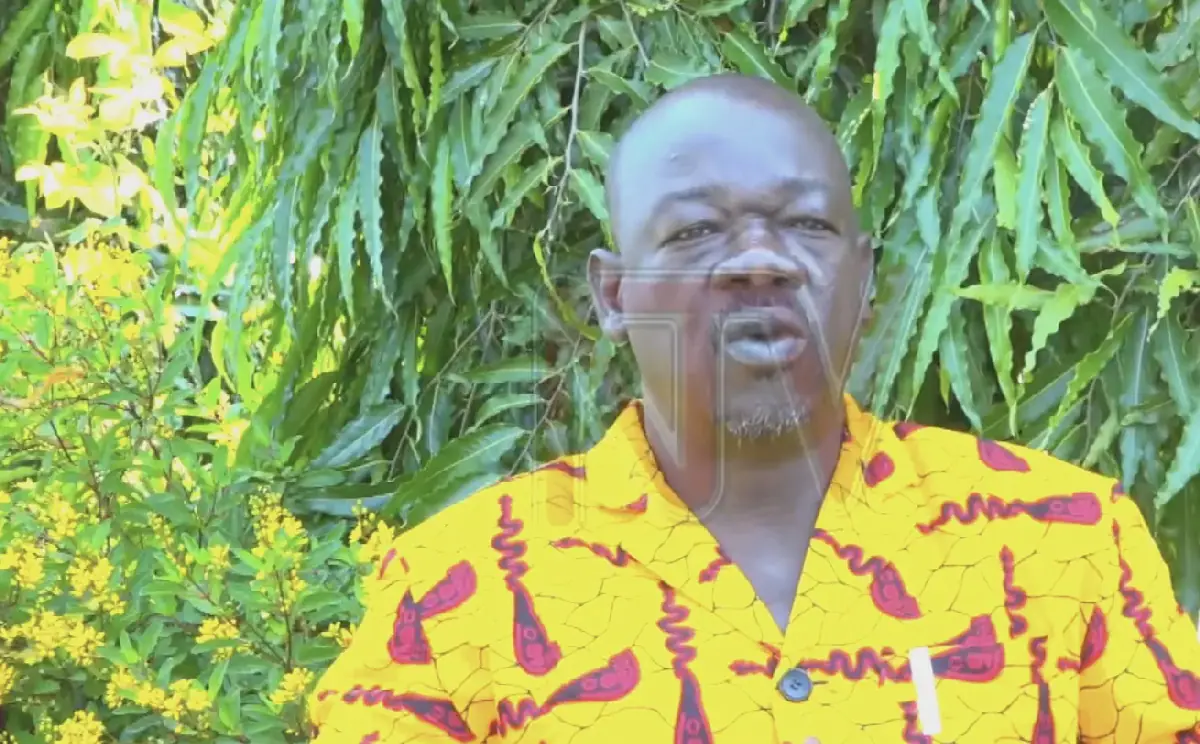
Leaders from the West Nile region in Uganda are calling for greater transparency and accountability from the government regarding ongoing mineral exploration activities. During a recent engagement in Arua, district leaders expressed concerns that local communities and governments have not been informed about the findings or potential benefits of these activities. This lack of transparency has raised fears about the impact of mineral exploration on the environment and local livelihoods.
The concerns raised by West Nile leaders highlight a growing unease about the management of natural resources in the region. Experts have emphasized the need for transparency in the management of these resources to ensure that the benefits are equitably distributed and that environmental degradation is minimized. The leaders also pointed out that limited community involvement in the decision-making process has exacerbated the situation, leaving locals feeling marginalized and uninformed.
Mineral prospecting and exploration have been ongoing in the West Nile region, with various companies and government agencies involved. However, the lack of clear communication and transparency about the findings and potential benefits has created uncertainty and anxiety among local communities. This has led to calls for greater community involvement and participation in the decision-making process to ensure that the interests of local people are protected.
Environmental degradation is another major concern raised by West Nile leaders. The region is rich in natural resources, including minerals, but the extraction and exploration activities have the potential to harm the environment and affect local livelihoods. Experts have warned that without proper regulation and oversight, the environmental impact of these activities could be severe, leading to long-term damage to the region's ecosystems.
The engagement in Arua was attended by district leaders, experts, and community representatives, who all emphasized the need for transparency and accountability in the management of natural resources. The leaders called on the government to provide regular updates on the findings and benefits of mineral exploration and to involve local communities in the decision-making process. This, they argued, would help build trust and ensure that the interests of local people are protected.
The concerns raised by West Nile leaders are not unique to the region. Many communities in Uganda have expressed concerns about the impact of extractive industries on their environment and livelihoods. The government has faced criticism for its handling of the sector, with allegations of corruption and lack of transparency. In response, the government has established regulatory bodies to oversee the sector, but more needs to be done to address the concerns of local communities.
The West Nile region has significant potential for mineral exploration and extraction, but this must be done in a way that benefits local communities and protects the environment. The government, companies, and local leaders must work together to ensure that transparency and accountability are prioritized in the management of natural resources. This will help build trust and ensure that the benefits of mineral exploration are equitably distributed.
Key points
- West Nile leaders demand greater transparency and accountability from the government on mineral exploration activities.
- Limited community involvement and environmental degradation are major concerns raised by leaders.
- Experts call for transparency in the management of natural resources to ensure equitable distribution of benefits.