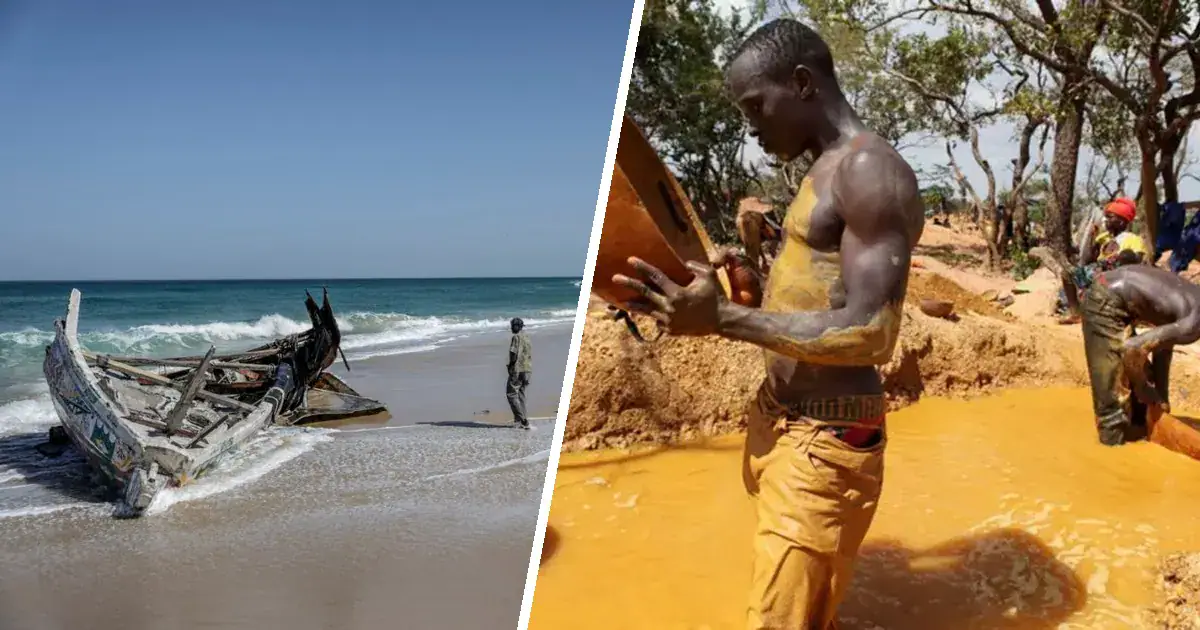
The recent decision by Guinean authorities to ban artisanal gold mining in the Siguiri region has sparked a humanitarian crisis, with thousands of illegal miners, mostly from neighboring countries, forced to leave. This event, along with a tragic boat accident off the coast of Senegal on November 6, which claimed 39 lives, has brought attention to the struggles of West African youth. Many of the victims in both incidents are young people without prospects in their home countries.
The ban on gold mining in Guinea was justified by the need to protect the environment, but it has also highlighted the challenges faced by young people in the region. The majority of those affected by the closure of the Siguiri mines are young people from countries such as Burkina Faso, Mali, and Côte d'Ivoire, who were attracted to the mines in search of work and a better life. Similarly, the Senegal boat tragedy involved young people attempting to reach Europe in search of opportunities.
These incidents reveal a broader crisis affecting West African youth, who are often forced to take desperate measures due to a lack of opportunities in their home countries. The root causes of this crisis include poor governance, limited access to education, and a lack of economic prospects. In many West African countries, young people are unable to access quality education, leaving them with limited options for their future.
The issue of education is particularly significant, as many young people in West Africa are unable to access quality education, making it difficult for them to secure better-paying jobs. Even those who manage to obtain a diploma may still struggle to find employment, leading them to seek alternative means of survival, such as working in mines or attempting to migrate to Europe.
The responsibility for addressing this crisis lies with governments, who must work to provide young people with access to education, economic opportunities, and a safe environment. This requires a commitment to good governance, investment in education and job creation, and a willingness to address the root causes of the crisis. By working together, it is possible to mitigate the effects of this crisis and provide young people with a brighter future.
The humanitarian crisis sparked by the mining ban in Guinea has already had significant consequences, with thousands of people displaced and forced to return to their home countries. This has put a strain on local resources and highlighted the need for governments to work together to address the root causes of the crisis.
Ultimately, addressing the challenges faced by West African youth will require a sustained commitment from governments and the international community. By working together, it is possible to create a brighter future for young people in the region and prevent further tragedies like the Senegal boat accident and the humanitarian crisis in Guinea.
Key points
- Limited access to education and economic opportunities drives young people to take desperate measures.