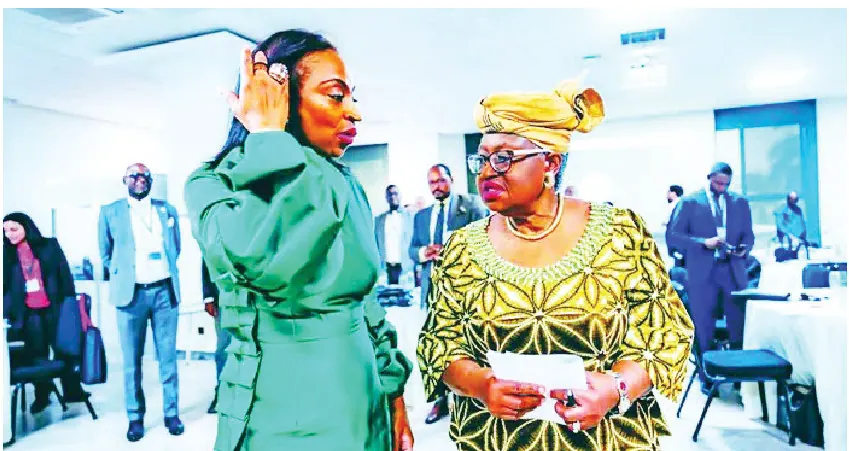
West African businesswomen and entrepreneurs have been urged to harness technology and skills to expand their businesses and access regional and global markets. This call was made during an Executive Masterclass titled “Advancing Women’s Participation in Global Trade for Political Readiness and Export Opportunities in ECOWAS Region” in Accra, Ghana. The event was organised by the Female Parliamentarians’ Association of the Economic Community of West African States.
The ECOFEPA President, Shantal Fanny, emphasised the need for women to move beyond participating in economic activities to becoming major drivers of trade, investment, and innovation. She noted that while women’s empowerment has helped women, they must acquire the knowledge, networks, and opportunities needed to compete successfully in local, regional, and international markets. Fanny was represented by the First Vice-President, Zainab Gimba.
Fanny identified barriers that women entrepreneurs face, including limited access to finance, market information, technology, and business networks, as well as inadequate representation in decision-making. She linked economic success with political participation, adding that successful businesses could provide women with greater confidence, networks, and leadership experience. Fanny stressed the importance of women being prepared to sit at the tables where decisions about trade, investment, finance, industry, and regional integration are made.
Ghana’s Minister for Gender, Children and Social Protection, Dr. Agnes Lartey, acknowledged the significant contributions West African women have made to the region’s economic development. She noted that women have made impacts as farmers, processors, manufacturers, traders, service providers, exporters, and entrepreneurs. The Minister was represented by the Ministry’s Legal Adviser, Ms Nnali Bennis-Wallace.
Despite their contributions, Ms Bennis-Wallace noted that many women-owned businesses remain in the informal economy due to limited access to finance, technology, market information, business networks, and larger markets. She tasked women with leveraging regional and continental trade frameworks to expand their businesses and participate more actively in intra-African and global trade.
The Ghanaian government recognises women’s economic empowerment as an important component of national development. Ms Bennis-Wallace cited the National Gender Policy 2025–2034 as a framework for promoting gender-responsive development, economic empowerment, and women’s participation in decision-making. The policy aims to create an environment that supports women’s economic growth and development.
The Executive Masterclass aimed to equip women with the skills and knowledge needed to participate in global trade. Key speakers emphasised the need for women to be proactive in accessing regional and global markets. By leveraging technology and skills, West African women can overcome barriers and become major players in the regional and global economy.
Key points
- West African businesswomen are being urged to leverage technology to access regional and global markets.
- Women entrepreneurs face barriers such as limited access to finance, market information, technology, and business networks.
- The Ghanaian government recognises women’s economic empowerment as a key component of national development.