The West African Power Pool (WAPP) is set to convene its 21st General Assembly in Conakry, Guinea, on 6 and 7 November 2026. The meeting, organised by WAPP and Électricité de Guinée, will bring together managing directors and chief executives of the organisation's 60 member utilities. They will assess progress in regional electricity integration and establish priorities for the sector's next phase of development.
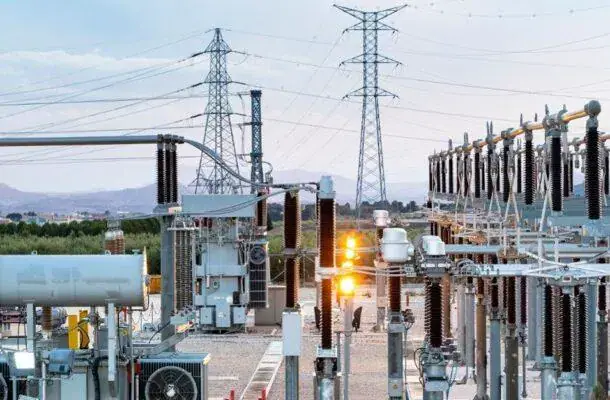
The assembly will focus on cross-border electricity trading, priority transmission interconnection projects, and the development of a more integrated regional power market. A coordination meeting involving WAPP's technical and financial partners is scheduled for 5 November, ahead of the main assembly. This meeting will review ongoing projects, identify financing requirements, and strengthen cooperation among institutions supporting regional electricity infrastructure.
The initiative reflects a wider recognition that energy security is closely connected to economic competitiveness. Reliable and affordable electricity is essential for manufacturing, agro-processing, mining, digital services, and the expansion of small and medium-sized enterprises. For countries facing infrastructure constraints, regional electricity trade can provide additional supply options and improve the use of available generation capacity.
West Africa has considerable energy resources, including hydropower, natural gas, solar, and other renewable sources. However, differences in national generation capacity, infrastructure limitations, and financing challenges continue to affect the reliability and affordability of electricity across the region. A functioning regional market could help countries complement one another's energy resources.
Guinea's role as host also reflects its potential contribution to regional energy development. Its hydropower resources and participation in major interconnection initiatives, including the Côte d'Ivoire–Liberia–Sierra Leone–Guinea transmission project, place it within important efforts to strengthen electricity links across national borders.
The assembly is expected to review the progress of these interconnection projects and the establishment of the Regional Electricity Market. It will also provide an opportunity for member utilities and partners to identify the practical steps required to accelerate implementation. Effective coordination among national utilities, clear regulatory arrangements, sustainable financing, and reliable payment systems will be essential to building confidence in cross-border electricity trading.
For African businesses and investors, a stronger regional power system could improve the conditions for industrial expansion and create opportunities for investment in generation, transmission, and distribution infrastructure. West Africa's energy resources offer a foundation for greater regional cooperation. The challenge now is to convert that potential into a dependable electricity market capable of supporting businesses, communities, and long-term economic transformation.
Key points
- The West African Power Pool's 21st General Assembly aims to advance regional electricity integration and establish priorities for the sector's next phase of development.
- A functioning regional market could help West African countries complement one another's energy resources and improve the reliability and affordability of electricity.
- Effective coordination, clear regulatory arrangements, sustainable financing, and reliable payment systems are essential to building confidence in cross-border electricity trading.