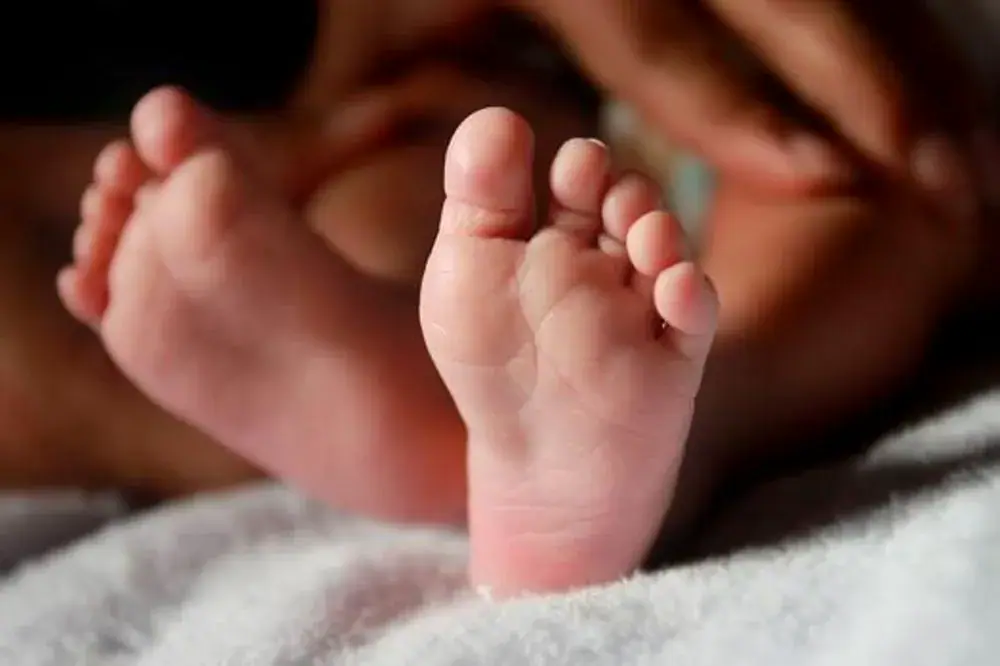
Child abandonment is a persistent issue in KwaZulu-Natal, with newborn babies discovered in bushes, rubbish bins, and public spaces, and older children left without adequate parental care. According to Baby Savers South Africa, a national coalition of non-profit and public benefit organisations, over 10 000 babies are abandoned in South Africa every year, with a vast majority found dead due to unsafe relinquishment methods. This problem extends beyond newborns, with older children also bearing the consequences of parental neglect, family breakdown, and abandonment.
Tessa Naidoo, deputy chairperson of the Rapid Response Team on gender-based violence in Chatsworth, attributes the alarming rise in abandoned babies to poverty, unemployment, unplanned pregnancies, rape, sexual abuse, fear of rejection, and social stigma. She emphasizes that concealed pregnancies are particularly concerning, as some teenagers and women hide their pregnancies out of shame or fear of exposing what they perceive as a mistake. Naidoo stresses that accessible pregnancy counselling, family support, and healthcare services are essential in preventing child abandonment.
Naidoo, also the director of the Hope and Healing Foundation SA, advocates for government investment in teenage pregnancy prevention campaigns, age-appropriate reproductive health education, abstinence education, and family planning. She believes that women must know that parenting support, adoption, and temporary safe care are available alternatives when they cannot raise a child themselves. Naidoo emphasizes that baby savers can save lives but must be a last resort, and that prevention, education, and responsible choices should be prioritized.
Pranashen Pillay, the director of Child Welfare Chatsworth, reports that since January, they have investigated 23 cases involving abandoned children, ranging from newborns to 14-year-olds. Seven of the cases involved infants, and about 53 children from previous abandonment cases remain within their long-term statutory caseload, having been placed in alternative care. Pillay highlights that baby savers, if properly regulated, could provide a potentially life-saving alternative for mothers who feel unable to care for their newborns.
Keresha Govender, the acting vice chairperson of the DSK Group, notes that while they have seen a decrease in the number of abandoned babies on the North Coast over the past year, child abandonment remains a growing concern. Govender believes that the answer lies in community and multi-departmental collaboration between religious organisations, institutes of learning, and relevant departments. She also emphasizes the importance of creating dialogue around understanding the plights of women who abandon their babies.
Aroona Chetty, the director of Phoenix Child Welfare, reports that their social workers are regularly called out to abandonment cases involving newborns, babies, and older children. She notes that over the past few years, they have not seen a dramatic spike but rather a steady, worrying pattern that has not decreased, despite awareness campaigns. Chetty supports baby savers as a safe and anonymous alternative, citing the Valliamma Cradle of Love baby saver installed by Phoenix Child Welfare in partnership with The Mercury and the Sibaya Community Trust.
The KZN government has granted a non-profit organisation early occupation of a provincial building in Tongaat to serve as a safe haven and support center for gender-based violence survivors and abandoned children. This development highlights the efforts of authorities and organisations to address the issue of child abandonment in KwaZulu-Natal. Key stakeholders stress that a multi-faceted approach, including prevention, education, and support, is necessary to combat this complex problem.
Key points
- Over 10 000 babies are abandoned in South Africa every year, with a vast majority found dead due to unsafe relinquishment methods.
- Poverty, unemployment, unplanned pregnancies, rape, sexual abuse, fear of rejection, and social stigma contribute to the alarming rise in abandoned babies.
- Baby savers, if properly regulated, can provide a potentially life-saving alternative for mothers who feel unable to care for their newborns.