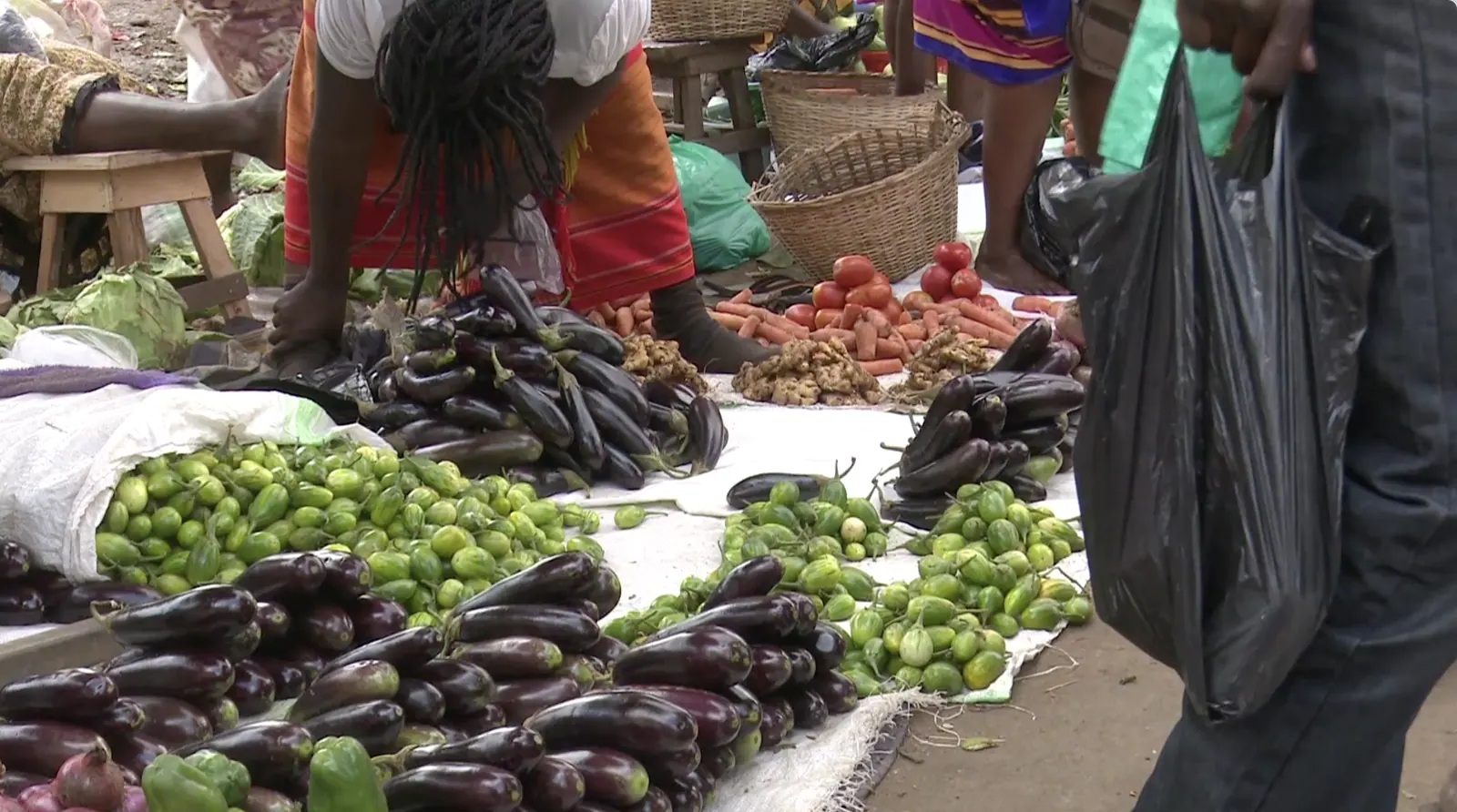
Uganda's annual headline inflation rate increased to 4.6% in September, up from 4.1% in August. The surge is primarily attributed to a significant rise in food prices. Adverse weather conditions have disrupted agricultural production across various parts of the country, leading to a shortage of food supplies. This development has had a ripple effect on the overall inflation rate. According to recent data, the increase in food prices has been a major contributor to the rising inflation.
The adverse weather conditions that have affected agricultural production in Uganda are largely attributed to weather shocks. These shocks have resulted in a decline in crop yields, leading to a shortage of food supplies in the market. As a result, food prices have skyrocketed, contributing to the increase in inflation. The Uganda Bureau of Statistics is expected to release more detailed information on the inflation rates and the factors contributing to it.
In addition to weather shocks, the cost of fuel has also played a significant role in driving up food prices. The increase in fuel costs has led to higher transportation costs, which have been passed on to consumers in the form of higher food prices. This has further exacerbated the situation, making it difficult for consumers to afford basic necessities.
The rise in food prices has significant implications for the country's economy and the livelihoods of its citizens. With a large proportion of the population relying on agriculture for their livelihoods, the impact of weather shocks and rising fuel costs is being felt across the country. The government is expected to implement measures to mitigate the effects of the rising food prices and support affected communities.
The increase in inflation is also expected to have a impact on the country's monetary policy. The Bank of Uganda is likely to take into account the rising inflation rate when making its monetary policy decisions. This could lead to changes in interest rates and other monetary policy instruments to help control inflation and stabilize the economy.
Economists have warned that the rising food prices and inflation rate could have long-term consequences for the country's economy. They have called for the government to implement policies that will help to stabilize food prices and support agricultural production. This includes investing in irrigation systems and other agricultural infrastructure to reduce the impact of weather shocks.
The government has assured citizens that it is working to address the issue of rising food prices. It has announced plans to implement measures to support agricultural production and reduce the impact of weather shocks. These measures are expected to help stabilize food prices and reduce the inflation rate.
Key points
- Uganda's inflation rate rose to 4.6% in September due to a surge in food prices caused by weather shocks and rising fuel costs.