The Association for the Advancement of Family Planning (AAFP) Nigeria has called on governments, development partners, and community leaders to eliminate barriers hindering access to family planning services. On World Contraception Day 2026, the group emphasized that individuals have a fundamental right to make informed decisions about their reproductive health. The theme for this year's commemoration is “No Barriers, Just Choices: Contraceptive Access Now.”
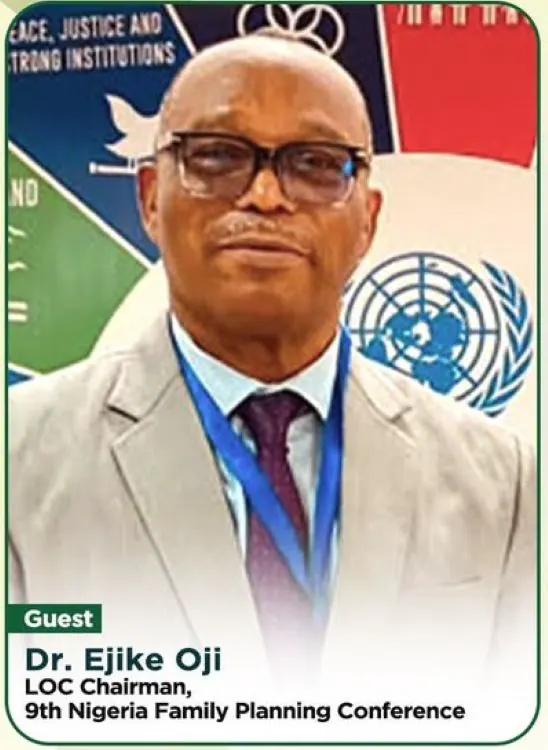
Despite ongoing efforts to scale up family planning infrastructure, millions of Nigerians face significant obstacles. According to Dr. Ejike Oji, Chairman of the Management Committee of AAFP Nigeria, key barriers include out-of-pocket costs, stock-outs of supplies, provider bias, and restrictive social norms. These challenges disproportionately impact vulnerable populations, including rural residents, adolescents, and low-income households.
AAFP Nigeria issued a ten-point demand urging stakeholders to take immediate action to address disparities in family planning services. The demands include sustaining financing, securing supply chains, and strengthening primary healthcare. The group also emphasized the need to counter misinformation, expand youth services, and remove structural barriers.
The association highlighted that expanding access to family planning directly impacts broader national goals, such as saving lives, reducing maternal mortality, and supporting female education. AAFP Nigeria reaffirmed its commitment to collaborating with key partners nationwide to achieve universal access to voluntary, high-quality family planning.
Dr. Oji emphasized that contraceptive access is essential healthcare, and no Nigerian should be denied the opportunity to choose a contraceptive method due to poverty, location, or social stigma. The group urged stakeholders to move from commitments to sustained action to make contraceptive choices available, affordable, and accessible to everyone.
To achieve this goal, AAFP Nigeria recommended training healthcare workers to offer voluntary, respectful, and person-centered counseling. The group also suggested prioritizing vulnerable groups, engaging key influencers, and leveraging digital innovation to improve service delivery and information reach.
AAFP Nigeria's advocacy efforts aim to ensure that every individual can make informed, voluntary decisions about their reproductive health without facing discrimination, coercion, or financial hardship. The group believes that by working together, stakeholders can eliminate barriers and ensure that family planning services are accessible to all Nigerians.
Key points
- AAFP Nigeria calls for sustained financing and uninterrupted distribution of quality-assured contraceptive methods.
- The group emphasizes the need to counter misinformation and expand youth-friendly reproductive health services.
- Expanding access to family planning can help achieve broader national goals, such as reducing maternal mortality and supporting female education.