The rural commune of Konsankoro, located about 30 kilometers from Kérouané, is grappling with a severe water shortage. With a population of over 14,000, residents face significant challenges in accessing clean water. The lack of adequate hydraulic infrastructure has become a daily struggle, particularly for women who have to travel long distances to fetch water for domestic use. This has been a persistent issue in the community, affecting the daily lives of residents.
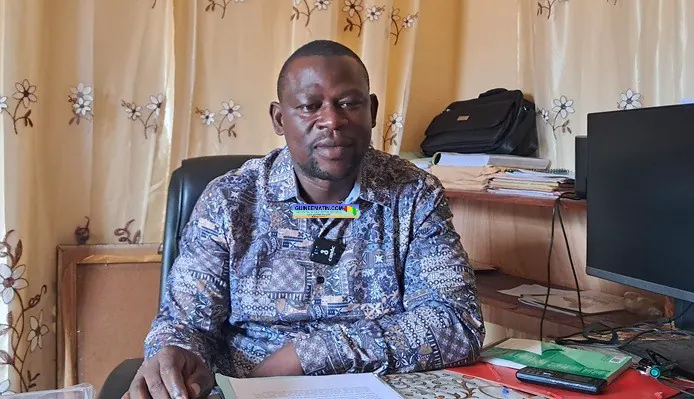
According to Bangaly Cissé, the mayor of Konsankoro, the existing water infrastructure is insufficient to meet the needs of the growing population. The arrival of new residents has exacerbated the problem, with the current water supply unable to keep up with demand. Many villages within the commune face severe hydraulic challenges, which is a major concern for the local authorities. The mayor emphasized that the water shortage is a pressing issue that needs to be addressed urgently.
The situation is further complicated by the fact that some areas of the commune have not had access to boreholes or wells since Guinea's independence. During the dry season, the situation becomes even more dire, with women bearing the brunt of the hardship. The lack of access to clean water has significant implications for the health, education, and economic well-being of residents. The mayor's comments highlight the need for urgent intervention to address this critical issue.
The commune's accessibility challenges also hinder efforts to construct new hydraulic infrastructure. The mayor noted that even when there is a willingness to build new boreholes or wells, the state of the roads makes it difficult to transport equipment and materials. This has resulted in a Catch-22 situation, where the lack of infrastructure hinders development, and the lack of development exacerbates the infrastructure deficit.
In response to the crisis, the local authorities are calling on the government and companies operating in the area to provide support. The mayor appealed for assistance to address the water shortage, which is having a devastating impact on the lives of residents. The commune's leaders are working to find solutions to the water crisis, but they require external support to make a meaningful difference.
The water scarcity issue in Konsankoro has far-reaching implications for the community. For many families, particularly women, the daily struggle to access clean water is a significant burden. The lack of access to this essential resource affects not only health but also education and economic opportunities. The situation highlights the need for a comprehensive approach to address the root causes of the water shortage and ensure sustainable solutions.
The mayor's appeal for support underscores the need for collaboration to address the water crisis in Konsankoro. The local authorities, government, and private sector must work together to find sustainable solutions to this critical issue. The residents of Konsankoro are counting on these stakeholders to provide the necessary support to alleviate their suffering and ensure access to clean water, a fundamental human right.
Key points
- Over 14,000 residents of Konsankoro face significant challenges in accessing clean water due to inadequate hydraulic infrastructure.
- The local authorities are calling on the government and companies operating in the area to provide support to address the water shortage.
- The water scarcity issue in Konsankoro has far-reaching implications for the community, affecting health, education, and economic opportunities.