The district of Franconedou, located over 50 kilometers from the Kérouané prefecture capital, struggles with access to clean water. With only two water boreholes serving the population, the situation worsens during the dry season. As water reserves dwindle, women, responsible for household water supply, must travel long distances to find water, often to the Djassa marsh. This has become a significant concern for the community.
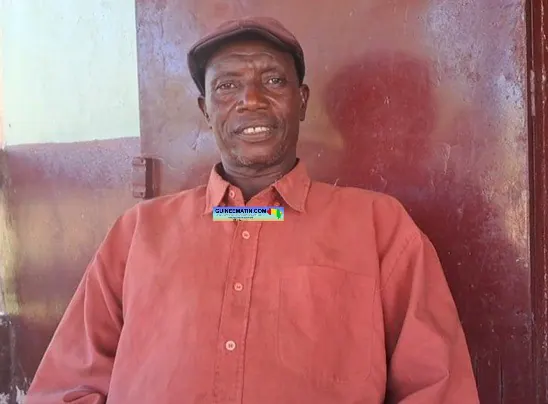
Local resident Lanceï Camara shared the struggles faced by Franconedou's residents, particularly women. "Women suffer greatly due to the lack of clean water, especially during the dry season. We have a large population but only two boreholes. There are nights when we close these boreholes to prevent them from breaking down." He added that women are forced to fetch water from the distant Djassa marsh.
The scarcity of clean water not only affects households but also social infrastructure. Moussa Konaté expressed concern about the absence of water points in essential facilities such as schools and health centers. "There are no boreholes at the school, health center, or Franco-Arab school. We urgently need help from authorities to address this situation."
The lack of clean water has a significant impact on daily life in Franconedou. With the population outgrowing the available water supply, residents must organize to manage the limited resources. This often involves closing boreholes at night to prevent damage. Community members believe that improving access to clean water would greatly alleviate household concerns.
Residents are calling on the Guinean government to provide assistance. Lanceï Camara emphasized that easy access to clean water would reduce household worries. "If women have easy access to water, it reduces men's concerns. If they can't find it, their husbands will also suffer. We urge decision-makers to come to our aid."
The water shortage in Franconedou highlights the need for new water infrastructure. With only two boreholes serving a large population, the community's needs far exceed available capacity. Constructing additional water points is seen as essential to alleviate household burdens and improve living conditions in this rural area.
The situation in Franconedou underscores the challenges faced by rural communities in Guinea. With limited access to clean water, residents, particularly women, must invest significant time and effort into fetching water from distant sources. Addressing this issue will require government intervention and investment in water infrastructure to improve the quality of life for Franconedou's residents.
Key points
- The community has only two water boreholes for a large population.
- Women often travel to the Djassa marsh to fetch water during the dry season.
- Residents are calling on the government to provide assistance in improving access to clean water.