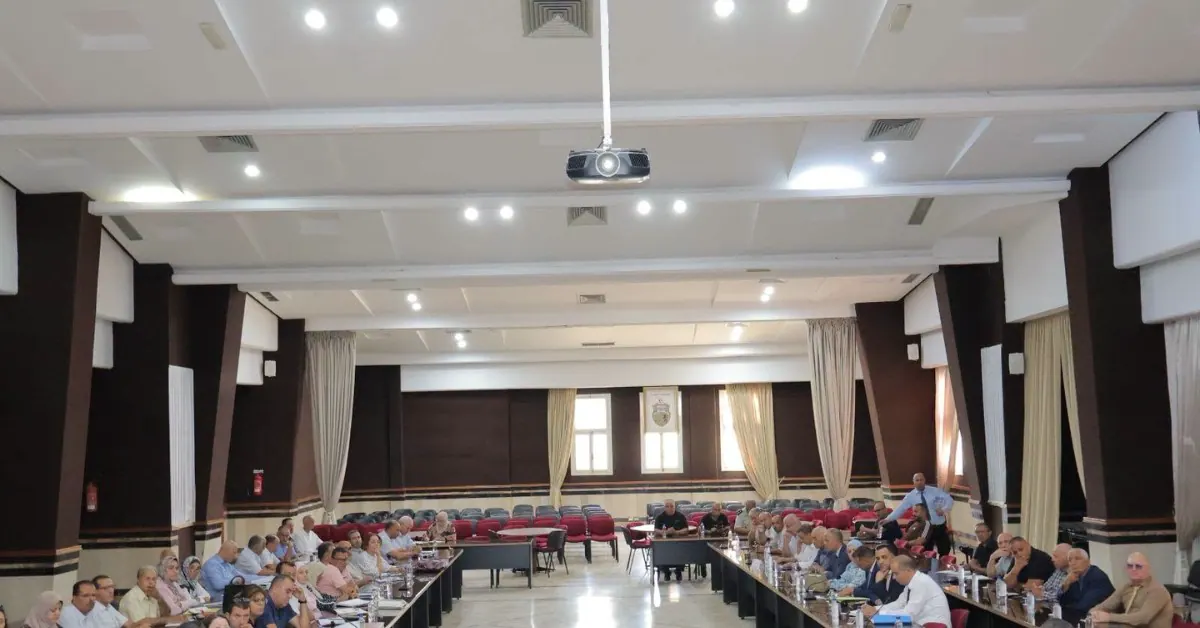
The Sousse governorate in Tunisia is taking steps to assess and address the current state of its water resources. A recent meeting was held to discuss the challenges facing the region's irrigation systems, particularly with the upcoming agricultural season and olive harvest. The authorities aim to evaluate the situation in irrigated areas and address issues related to the water supply. This initiative seeks to ensure a smooth start to the new agricultural season.
According to the Regional Commission for Agricultural Development in Sousse, the total water resources in the governorate are approximately 162 million cubic meters. This includes 50 million cubic meters of surface water, 42 million cubic meters of water transferred from external sources, 37 million cubic meters of treated wastewater, and 32 million cubic meters of groundwater. These resources will be crucial in supporting the region's agricultural activities.
The governorate's irrigated areas cover around 12,353 hectares, which accounts for 8% of the region's arable land. The agricultural sector in Sousse employs 12% of the active workforce and generates an annual production value of 430 million dinars, equivalent to 5% of the country's total agricultural output. The region's agricultural land covers 77% of its total area, highlighting the importance of this sector to the local economy.
The meeting also focused on the situation in specific irrigated areas, such as Qasayiba, Az-Zawiya, and Ath-Tharyat, which span 4,570 hectares. The participants emphasized the need for strict monitoring of water quality and addressing pollution sources. Ensuring the sustainability of these areas is crucial for maintaining agricultural productivity and protecting the environment.
Discussions also centered on addressing issues related to the maintenance of pumping stations and the management of water user associations. The goal is to guarantee the continuity of agricultural activities while conserving available resources. By tackling these challenges, the authorities aim to promote a more efficient and sustainable use of water resources in the region.
The Sousse governorate is taking proactive steps to manage its water resources effectively, given the challenges posed by climate change and population growth. By investing in irrigation systems and promoting water conservation, the region can reduce its vulnerability to droughts and ensure a more sustainable agricultural sector. This approach will also contribute to the country's overall food security and economic development.
The authorities in Sousse are committed to implementing measures that will mitigate the impact of water scarcity on the agricultural sector. By prioritizing water management and conservation, the region can maintain its agricultural productivity and protect the livelihoods of local communities. This initiative demonstrates the governorate's dedication to sustainable development and environmental protection.
Key points
- The Sousse governorate has approximately 162 million cubic meters of water resources.
- The region's irrigated areas cover around 12,353 hectares.
- The agricultural sector in Sousse employs 12% of the active workforce.