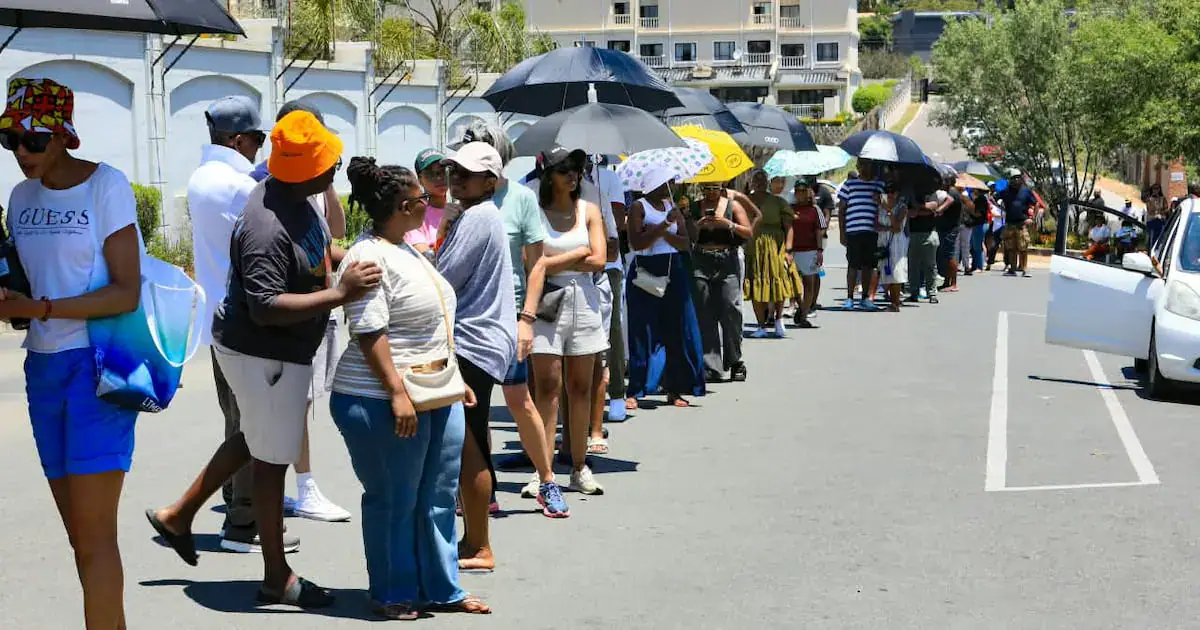
South Africa's 257 municipalities are facing intense scrutiny over their ability to deliver basic services, particularly water, as the country grapples with persistent shortages and ageing infrastructure. The issue has become a major election battleground, with political leaders casting their votes countrywide on Wednesday. Communities across the country continue to experience water supply disruptions, highlighting the challenges faced by local governments in providing this essential service.
DA Johannesburg mayoral candidate Helen Zille has made addressing the water crisis a priority, stating that she would "mobilise resources" on an emergency basis to tackle the issue if elected mayor. Zille, who was mobbed by party supporters and journalists at Emmarentia Primary School in Randburg, emphasized that Johannesburg is a great city worth fighting for. Her comments reflect the growing concern among residents and politicians about the impact of water shortages on daily life.
Other political leaders, including Freedom Front Plus leader Dr Corné Mulder, also cast their votes on Wednesday, expressing optimism about the turnout and the potential for change. Mulder noted that people have been voting in large numbers, indicating a strong desire for change. Freedom Front Plus has reportedly had a successful campaign, and Mulder is confident that the results will reflect this.
ActionSA president and Johannesburg mayoral candidate Herman Mashaba has also appealed to people to vote, warning that if they do not, the same parties that have failed them over the past 32 years will continue to govern. Mashaba, a former Johannesburg mayor under the DA, believes that his experience and team will enable him to hit the ground running if given the mandate to govern. He emphasized the importance of voting, saying that it is a crucial aspect of bringing about change.
The water supply crisis is particularly challenging in Gauteng's three metros, where increased demand and crumbling infrastructure have led to a surge in the use of water tankers. In May, Gauteng infrastructure development and co-operative governance MEC Jacob Mamabolo called on the province's 11 municipalities to invest in procuring and maintaining their own water tanker fleets, citing a "significant expenditure" of R264m on water tanker services over the past three years.
The national government has also taken steps to address the water crisis, with President Cyril Ramaphosa establishing the national water crisis committee in May to co-ordinate efforts to address water scarcity. The ANC has declared 2026 a year of decisive action to fix local government and transform the economy, with R54bn set aside for service delivery, including fixing water and electricity infrastructure across the eight metros.
Despite these efforts, the local government sector continues to face significant challenges, including malfeasance and fiscal constraints. Billions of rand are wasted annually on fruitless, wasteful, and unauthorized expenditure, affecting the delivery of basic services such as water, electricity, and refuse collection. Deputy President Paul Mashatile and former President Kgalema Motlanthe have both emphasized the importance of voting and maintaining public infrastructure, highlighting the need for skilled and qualified personnel in local government.
Key points
- The water crisis has become a major election battleground in South Africa's municipal elections.
- Political leaders, including Helen Zille and Herman Mashaba, have made addressing the water crisis a priority.
- The national government has established a water crisis committee and allocated R54bn to address service delivery challenges.