The city of Al-Ubayyid, capital of North Kordofan state in Sudan, is experiencing a severe water crisis. A recent investigation by the "Daleel" platform, based on open-source information and satellite imagery, has revealed that damage to water infrastructure and a decline in water resources have exacerbated the situation. Four key components of the city's water supply system have been affected: the Barbar, Wud Al-Baqa, Al-Dankoj, and Al-Sedir reservoirs and facilities.
The investigation found that the water crisis in Al-Ubayyid is attributed to two main factors: a decline in water resources and damage to water production, pumping, and transportation facilities. In July, local media reported that the city's water supply gap had reached approximately 70%, following the shutdown of several major water sources and facilities. The city's reliance on a limited number of water sources means that any disruption to these sources directly impacts the amount of water available to residents.
Satellite images analyzed by the investigation team show a significant decline in water levels in the Barbar and Wud Al-Baqa reservoirs between September 2025 and August 2026. This decline coincides with indicators of reduced rainfall and water replenishment. The images also reveal a decrease in vegetation surrounding the reservoirs. While satellite imagery can document the decline in water levels, it does not provide conclusive evidence of the cause.
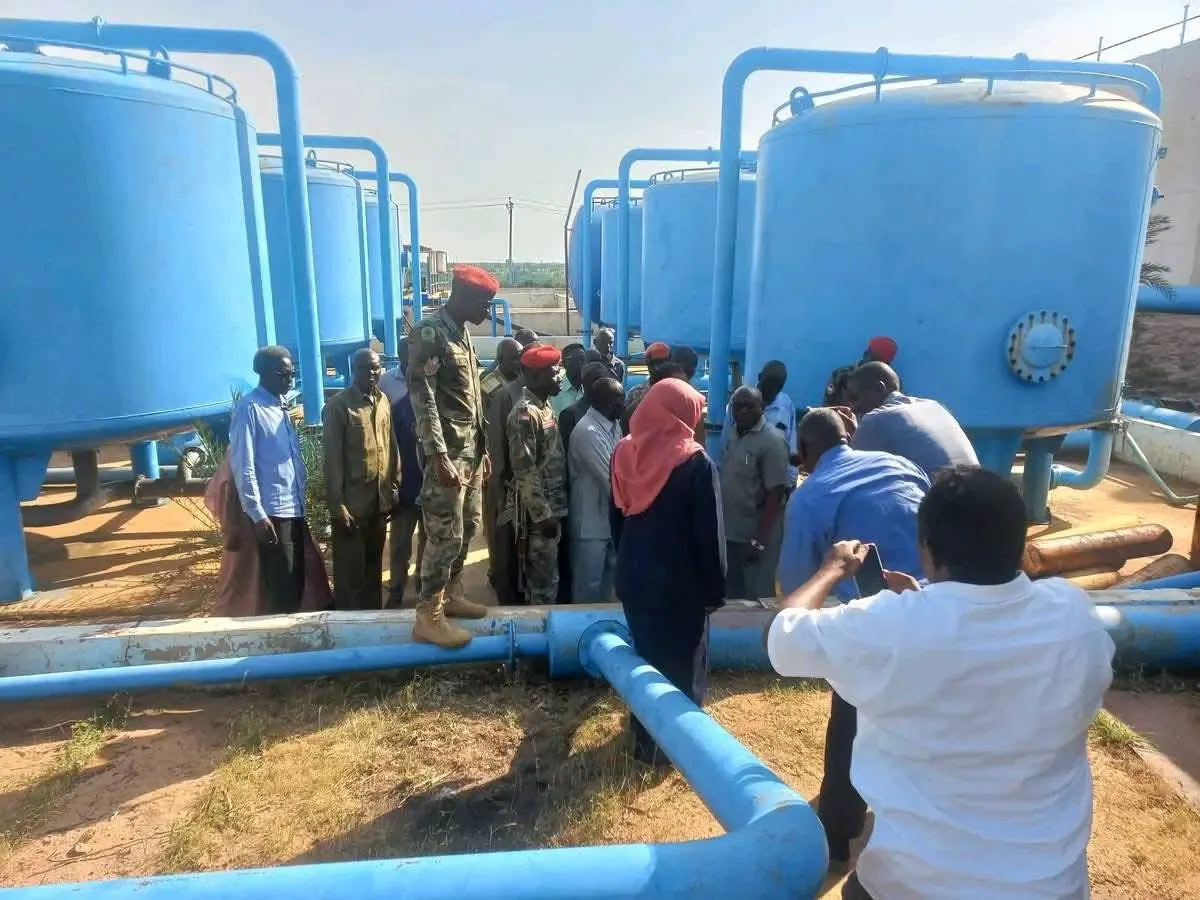
The investigation found evidence of damage to several facilities, including the Al-Dankoj and Al-Sedir areas, which are crucial to the city's water supply. In Al-Dankoj, confrontations between the Sudanese army and Rapid Support Forces (RSF) were reported in December 2025, with allegations of artillery and drone strikes. Satellite imagery and video footage indicate that the RSF was present in the area near the water facility, but this does not necessarily imply responsibility for the damage.
In August 2026, local media reported that water sector teams had assessed damage in Al-Dankoj and Al-Sedir, including destroyed cables, copper, pumps, and other equipment. The investigation verified that the water facility in Al-Sedir was damaged, with changes and destruction evident in satellite images between December 2025 and August 2026. These findings suggest that the water crisis in Al-Ubayyid is a complex issue with multiple contributing factors.
The investigation concludes that the water crisis in Al-Ubayyid is not caused by a single factor but rather by a combination of declining water resources and damage to water infrastructure. The reliance on a limited number of water sources makes the system vulnerable to disruptions, and any decline in water availability or facility damage directly impacts residents' access to water.
The investigation notes that while open-source evidence can identify damage to water infrastructure, it is challenging to attribute responsibility for specific incidents without additional evidence. The Sudanese government and international organizations have not made official statements on the matter. The crisis highlights the need for urgent attention to repair damaged infrastructure and address the city's water shortages.
Key points
- The water crisis in Al-Ubayyid is caused by a combination of declining water resources and damage to water infrastructure.
- The city's reliance on a limited number of water sources makes it vulnerable to disruptions.
- The crisis has resulted in a 70% gap in the city's water supply.