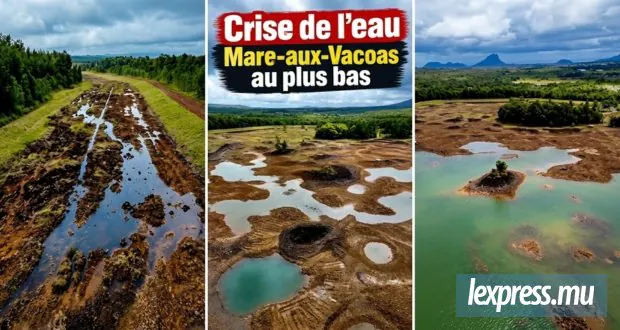
The water crisis in Mauritius has reached alarming levels, with the Mare-aux-Vacoas reservoir, the country's primary natural water source, recording a drastically low water level. As of October 8, the reservoir was filled to only 35.7% of its capacity, a stark contrast to 89.6% at the same time last year. This significant decline has raised concerns about the island nation's water security.
The situation has led to frequent water outages in various localities, causing frustration and distress among residents. With the dry spell showing no signs of abating, the Mauritian government is under pressure to address the crisis effectively. The water shortages have affected daily life, with residents struggling to access this essential resource.
According to reports, the return of rains is not expected until mid-December, leaving a considerable gap in the availability of water. This prolonged dry period has exacerbated the situation, further straining the country's water resources. The government and relevant authorities are faced with the challenge of managing the water supply efficiently to mitigate the impact on the population.
The water crisis has highlighted the need for sustainable water management practices in Mauritius. The government has been urged to implement measures to conserve water and explore alternative sources to reduce dependence on the Mare-aux-Vacoas reservoir. The situation has also underscored the importance of preparedness and proactive planning to address such environmental challenges.
The impact of the water crisis extends beyond daily life, affecting various sectors such as agriculture, industry, and tourism. With water scarcity becoming a pressing issue, stakeholders are calling for a comprehensive approach to address the root causes of the problem and develop long-term solutions. The crisis has sparked discussions on the need for investment in water infrastructure and conservation efforts.
The Mauritian government has been urged to engage with experts and stakeholders to develop a strategy for sustainable water management. This would involve exploring new technologies, implementing water-saving measures, and promoting awareness among the public about the importance of water conservation. The goal is to mitigate the effects of the current crisis and ensure a more secure water future for the island nation.
As the situation continues to unfold, residents of Mauritius are advised to adopt water-saving practices and follow guidelines provided by the authorities. The government has assured the public that efforts are being made to address the crisis, and a comprehensive plan will be implemented to manage the water supply effectively. The nation remains hopeful that the upcoming rainy season will bring relief to the parched landscape.
Key points
- The Mare-aux-Vacoas reservoir has hit a record low of 35.7% capacity as of October 8.
- Water outages have become frequent in various localities, causing distress among residents.
- The return of rains is not expected until mid-December, further exacerbating the water crisis.