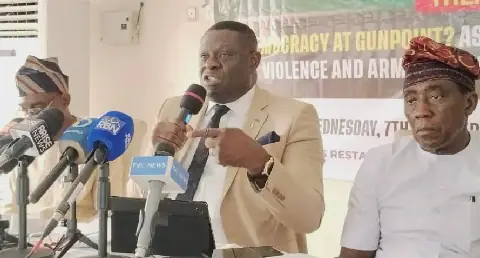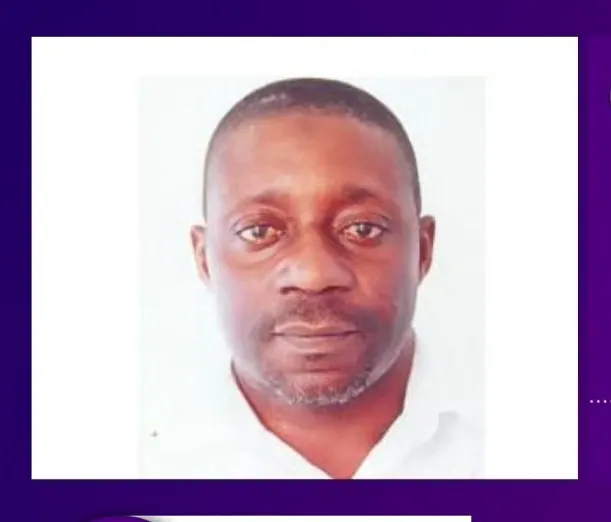
Public health engineering expert and CEO of Waste Care Associates, Lukman Salifu, has called on metropolitan, municipal, and district assemblies in Ghana to investigate the fate of lands originally reserved for sanitary sites in their communities. He believes an audit of existing community layouts could help assemblies identify available sites, assess encroachment, and determine whether occupied land could be legally recovered for waste management facilities. This call comes after Local Government Minister Mahama Ayarigah’s directive for assemblies to provide one acre of land for waste transfer stations and identify land for landfill development.
Mr. Salifu questioned the fate of sanitary sites incorporated into earlier community plans, asking, “All those original sanitary sites that were built on our layouts are still there. If they are not there, what has happened to them?” He identified encroachment as an issue assemblies needed to examine, adding that the possibility of legally recovering affected sites should form part of the assessment. According to him, setting aside land for sanitation facilities is an established planning practice, as provided for in the Town and Country Planning Ordinance of 1945.
The WasteCare CEO explained that a previous study had identified 49 sanitary sites, providing a starting point for assemblies to investigate their current status. He stated, “There’s a study that was done and 49 of such sites were already identified. So I think that the assemblies can quickly go back and do an audit, as I said, to see whether they are available.” This, he believes, would help assemblies determine whether designated spaces could still serve their intended purpose.
Mr. Salifu acknowledged that some assemblies might struggle to secure suitable land where designated sites had been occupied and could not be recovered. In such cases, he said, alternative arrangements would be necessary. He also explained that waste transfer facilities could take different forms, from communal container sites where some sorting occurs to larger stations that consolidate waste for onward transportation.
The CEO supported separating organic and inorganic waste at the household level through a two-bin system, saying this could improve treatment options and support energy recovery. He emphasized that Ghana still needed landfills alongside modern waste treatment technologies but urged Accra to give greater attention to waste-to-energy solutions. “I think we lost our way a bit, but it’s good to go back and build from the ground,” he said.
Mr. Salifu viewed the minister’s proposal as an opportunity to revisit the approach to waste management and assess whether designated spaces could still serve their intended purpose. He stated, “I think what the minister is saying is not very different from what has been on our statutes.” This, he believes, would help improve waste management in Ghana.
The WasteCare CEO’s call for an audit of lands reserved for sanitary sites is part of efforts to address waste management challenges in Ghana. His suggestions, including separating organic and inorganic waste and prioritizing waste-to-energy solutions, aim to improve the country’s waste management practices and provide a more sustainable future.
Key points
- WasteCare CEO Lukman Salifu calls for an audit of lands reserved for sanitary sites in Ghanaian communities.
- A previous study identified 49 sanitary sites, providing a starting point for assemblies to investigate their current status.
- The CEO supports separating organic and inorganic waste at the household level and prioritizing waste-to-energy solutions.