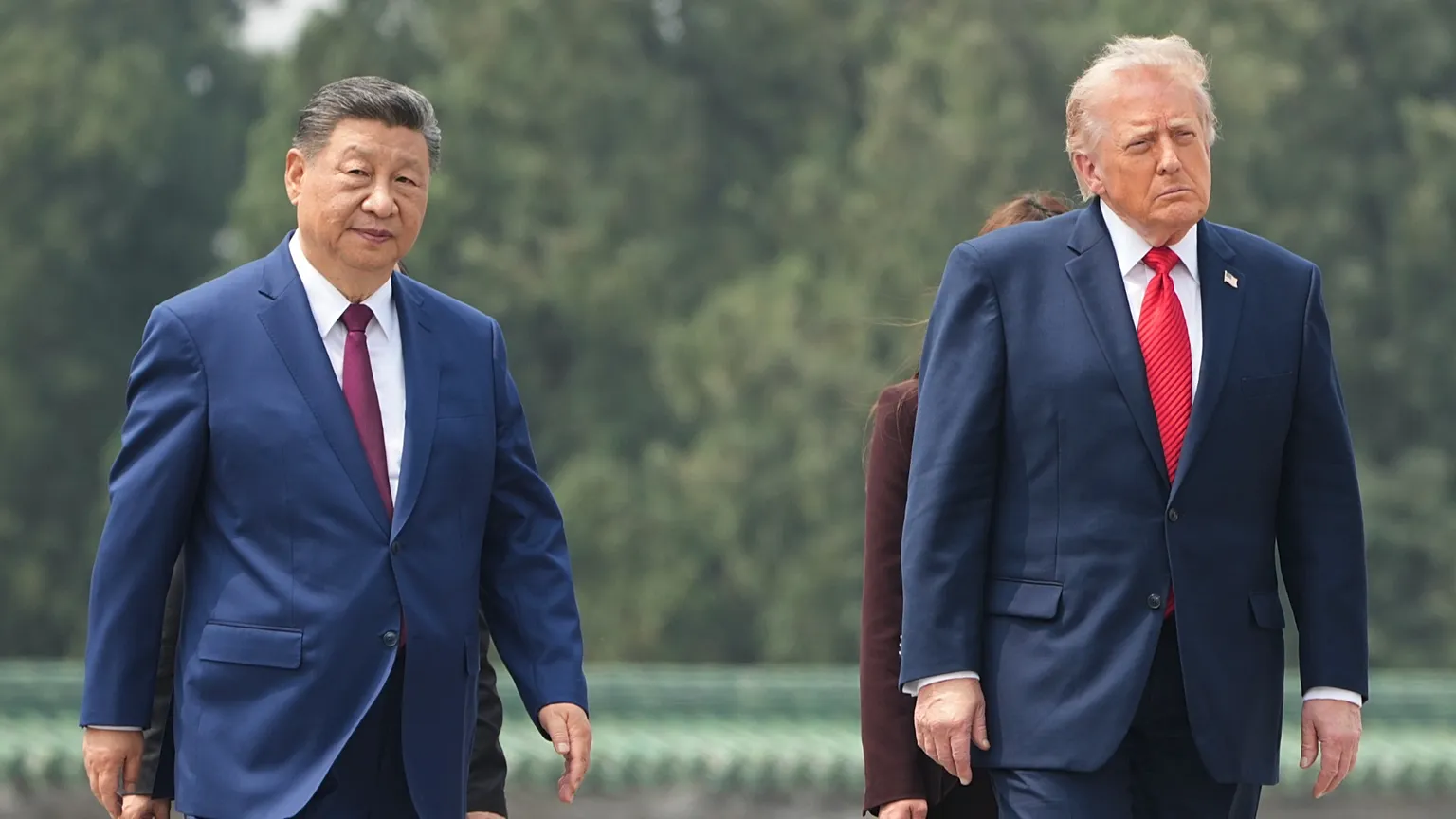
The Washington summit between US President Donald Trump and Chinese President Xi Jinping concluded without a significant breakthrough on contentious issues. Despite the cordial atmosphere, both leaders focused on containing tensions and maintaining open channels for dialogue. The two-day meeting aimed to address key differences, including trade, technology, and security concerns. According to sources, the leaders emphasized the need for constructive engagement to prevent competition from escalating into confrontation.
A key outcome of the summit was an agreement to extend the trade truce until January 10, 2027. This temporary reprieve allows both sides to continue negotiations on tariffs, trade, and technological restrictions. The truce effectively postpones further escalation of trade tensions, providing relief to global markets. By extending the deadline, Trump and Xi Jinping demonstrated a mutual interest in sustaining dialogue and avoiding a full-blown trade war.
During the meeting, President Xi Jinping stressed the importance of managing differences between Washington and Beijing to prevent competition from turning into conflict. He emphasized the need for both sides to respect each other's core interests and maintain stability in the bilateral relationship. Jinping's remarks underscored China's concerns about US policies on Taiwan, technology, and artificial intelligence.
The Taiwan issue remains a highly sensitive topic for China, alongside US restrictions on technology and artificial intelligence. Beijing seeks to maintain open channels with Washington without making concessions on strategic issues. In response, President Trump reiterated his commitment to strengthening commercial ties with China, while acknowledging ongoing differences on economic and technological matters.
The summit reflected the mutual desire of both leaders to ease tensions and keep negotiations open. However, the talks did not resolve deeper differences governing the complex relationship between the two global powers. With his approval ratings under pressure and an ongoing confrontation with Iran, Trump is seeking tangible economic benefits to present to American voters who are concerned about rising prices.
The extension of the tariff truce, initially agreed upon in October during a meeting in South Korea, has been eagerly anticipated by markets. The original agreement averted a potentially devastating trade war that could have disrupted global supply chains. By extending the truce, both sides have bought time to pursue further negotiations and find common ground on contentious issues.
As the global economy watches for signs of progress, the onus is on both Washington and Beijing to build on the momentum generated by the summit. With several major issues still unresolved, the two leaders will need to navigate complex diplomatic and economic terrain to achieve a more comprehensive understanding. The success of their engagement will have far-reaching implications for global trade, security, and stability.
Key points
- China and US extend trade truce until January 10, 2027.
- Trump and Xi Jinping emphasize need for constructive engagement to prevent competition from escalating into confrontation.
- Summit does not resolve deeper differences governing complex relationship between two global powers.