US President Donald Trump has denied reports that he offered concessions to Iran, including easing sanctions and releasing frozen funds. The reports, which emerged from a US website, claimed that Trump was willing to make concessions in exchange for Iran taking concrete steps on its nuclear program. Trump took to social media to dismiss the reports, calling them "completely false" and "fake news." The denial comes amid ongoing negotiations between the US and Iran in New York.
The negotiations, which are being facilitated by Qatari and Pakistani mediators, aim to reach a modified version of Iran's proposal to open the Strait of Hormuz and restart talks on a final agreement to end the war. Iran's Foreign Minister, Abbas Araghchi, has said that he expects a formal response from the US on Tehran's proposal. The talks are taking place against a backdrop of significant differences between the two sides, with Iran seeking to focus on the Strait of Hormuz and the US demanding that Tehran make concessions on its nuclear program.
The US Secretary of State, Mike Pompeo, has warned that Iran has threatened to attack US interests around the world and that the US is taking these threats seriously. Pompeo also emphasized that the problem with Iran is not the country itself, but the regime that governs it. He noted that Iran's leaders believe that they have a duty to hasten the end of the world and that this is not an exaggeration. Pompeo stressed that the US will not allow Iran to acquire nuclear weapons, which he believes would pose an unacceptable threat to global security.
The Iranian economy is currently facing significant challenges, with the US imposing strict sanctions on the country's oil exports. Pompeo noted that the sanctions are not just intended to punish Iran, but to prevent the regime from using its oil revenues to fund "malign activities" around the world. He also emphasized that the US will continue to work to prevent Iran from acquiring nuclear weapons, which he believes would pose a significant threat to regional and global security.
In response to the US sanctions and threats, Iranian officials have issued warnings of their own. The head of Iran's parliament, Mohammad Bagher Ghalibaf, has threatened that Iran will target infrastructure in the Middle East if its security is not guaranteed. Ghalibaf noted that Iran has a history of resisting external pressure and that the US will not be able to intimidate the Iranian people. He also emphasized that Iran will respond to any US aggression with a strong and swift response.
The spokesperson for Iran's Revolutionary Guard, Hossein Mobebi, has also weighed in on the tensions with the US. Mobebi described Trump as a "big liar" and noted that the US has failed in its military campaign against Iran. He also emphasized that the US should leave the region and that Iran will not be intimidated by US threats. The tensions between the US and Iran continue to escalate, with both sides refusing to back down.
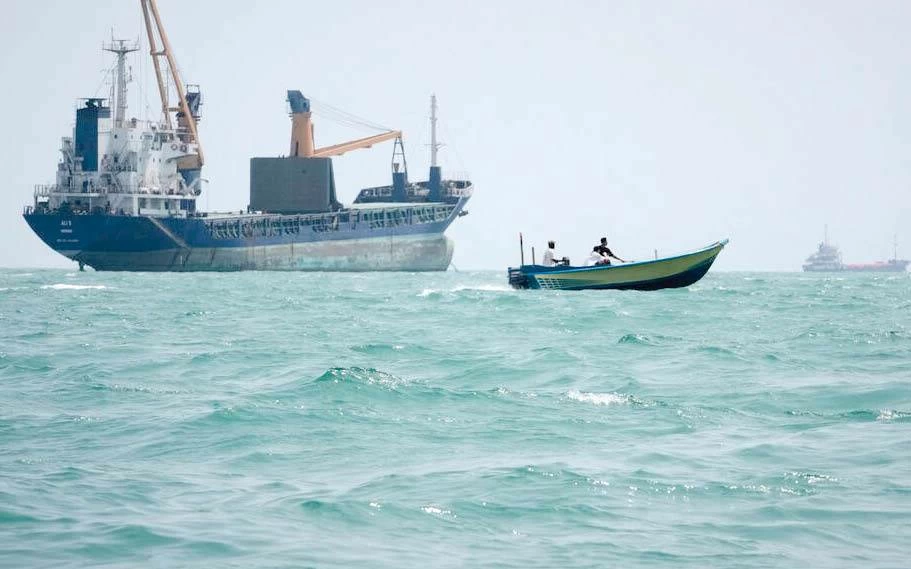
The situation in the Strait of Hormuz, a critical waterway for global oil exports, remains a key point of contention between the US and Iran. Iran has threatened to close the strait if its demands are not met, while the US has emphasized that it will not allow Iran to disrupt global oil supplies. The ongoing tensions between the US and Iran have significant implications for regional and global security, and efforts to find a diplomatic solution to the crisis continue.
Key points
- The US has denied offering concessions to Iran, including easing sanctions and releasing frozen funds.
- Iran has threatened to target infrastructure in the Middle East if its security is not guaranteed.
- The ongoing tensions between the US and Iran have significant implications for regional and global security.