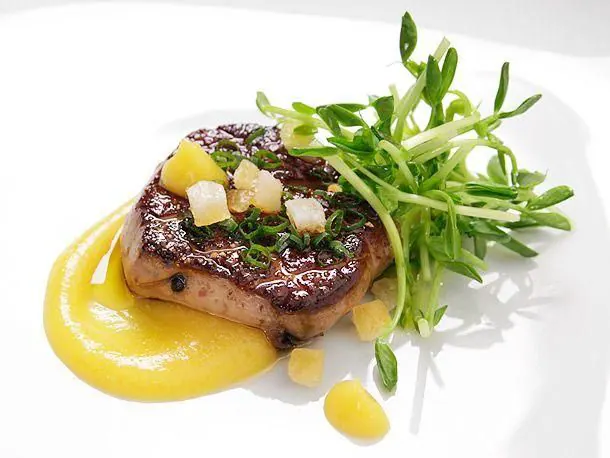
Residents of Washington DC will decide in November whether to ban the sale and distribution of foie gras in the city. The proposal, known as Initiative 86, was made possible by animal rights activists who collected nearly 32,000 verified signatures from registered voters. This number exceeds the required five percent of registered voters needed to mandate a referendum. The delicacy, made from enlarged duck livers, has sparked a heated debate between animal rights activists and the restaurant industry.
The campaign to ban foie gras is led by Pro Animal DC, which aims to emulate laws enacted in California and Pittsburgh. The group argues that the production of foie gras involves animal cruelty, specifically the force-feeding of ducks. Activists claim that this process is inhumane and that it is the city's responsibility to prevent such cruelty. They also point out that Washington DC is one of the top consumers of foie gras in the country, making a ban significant in reducing the demand for the product.
Opponents of the ban, including chef and owner of Butterworth's Bart Hutchins, argue that it would negatively impact the city's culinary heritage. Foie gras is a staple in many French restaurants, and Hutchins believes that a ban would limit the variety of dishes available to customers. He also worries that this could be the start of a slippery slope, where more and more food items are banned, ultimately leading to a loss of cultural diversity in the culinary scene.
Jordan Grinor, director at Hudson Valley Farms, one of only two US commercial foie gras producers, disputes the charge of animal cruelty. He explains that in the wild, ducks gorge before migration and store fat in their livers, and that "gavage" - the process of force-feeding - is a traditional means of animal husbandry. Grinor also warns that a ban on foie gras could have economic consequences, potentially putting at least a third of his 150 employees out of work in upstate New York.
Despite the controversy surrounding the issue, some residents are campaigning for the ban. James Nance, a lawyer and campaign volunteer, regularly posts pictures of his favorite meat dishes on Instagram but believes that the production of foie gras is inhumane. He argues that there are more pressing issues, such as the defense of democracy, but sees the ban as an opportunity to make a positive impact. Nance and other activists are confident that the measure will pass, although they acknowledge that voter ignorance about the issue could be a significant obstacle.
The debate on Initiative 86 has also highlighted the divide between chefs and animal rights activists. While some chefs, like Hutchins, are vocal about their opposition to the ban, others are remaining silent, fearing backlash from protesters. The city's restaurants, particularly those with a French cuisine, would likely be affected by the ban, but the extent of the impact is uncertain. As the vote approaches, residents will have to weigh the importance of animal welfare against the city's culinary heritage.
The outcome of the vote on Initiative 86 could have implications beyond Washington DC. If the ban passes, it could set a precedent for other cities to follow, potentially leading to a national shift in attitudes towards foie gras and animal welfare. As the debate continues, residents will have to consider the complexities of the issue and make an informed decision about the future of foie gras in the city. The vote will take place on November 3, alongside the congressional elections.
Key points
- Washington DC residents will vote on a ban on foie gras in November.
- The proposal, Initiative 86, aims to ban the sale and distribution of foie gras in the city.
- The debate on the ban pits animal rights activists against the restaurant industry, with concerns about animal welfare and culinary heritage.