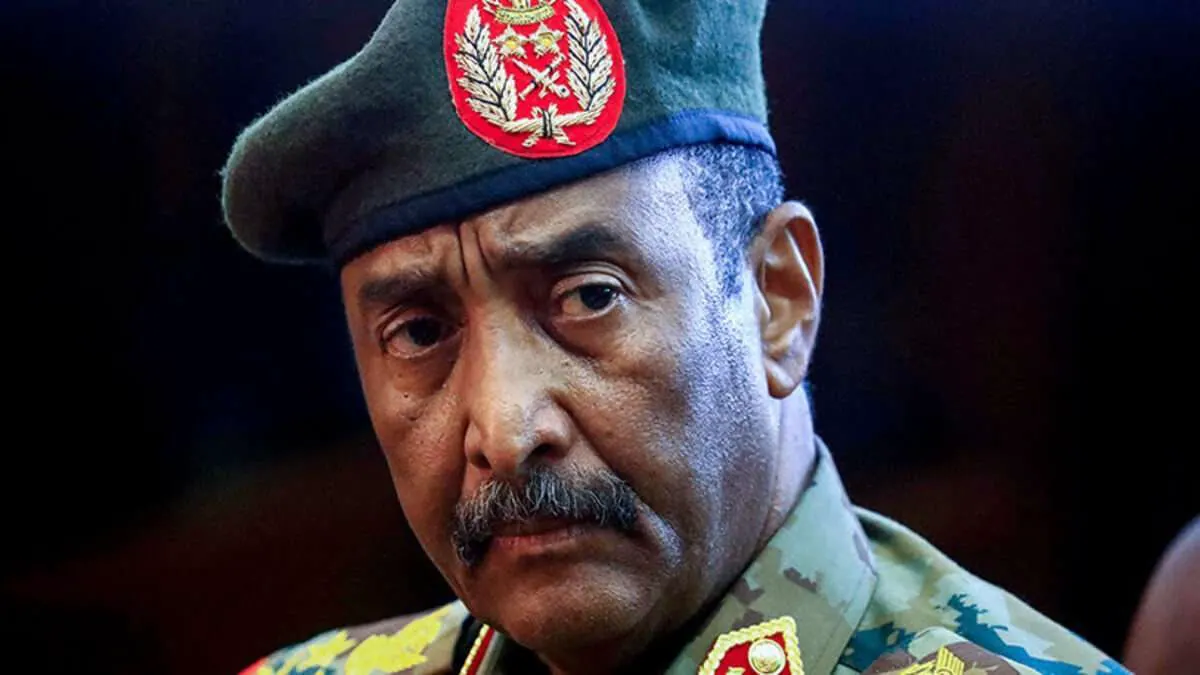
The United States has delayed issuing a visa to Sudan's military leader, Abdel Fattah al-Burhan, who is scheduled to address the 81st session of the UN General Assembly on September 24, 2026. According to sources cited by Reuters, Washington has tied the issuance of the visa to Khartoum's acceptance of a 90-day ceasefire proposal. Al-Burhan's trip to New York is pending the approval of his US visa.
The Sudanese military leader's absence from the UN General Assembly would be a significant blow, as he had been expected to take part in the high-level meeting. Sources close to the Sudanese government and a Western analyst told Reuters on September 22, 2026, that the US had made the visa contingent on Al-Burhan's acceptance of the ceasefire proposal put forward by Massad Boulos, a senior US advisor on Arab and African affairs.
The Sudanese army had expressed reservations about the ceasefire proposal over the summer. In response to the US move, Khartoum has reached out to the UN for assistance. On September 21, 2026, Sudan's Ambassador to the UN, Al-Harith Idriss Al-Harith, wrote to UN Secretary-General António Guterres, requesting his immediate intervention to facilitate the issuance of Al-Burhan's visa.
The Sudanese government has denounced the US move as a breach of the United States' international obligations as the host country of the UN headquarters. In his letter, Al-Harith Idriss Al-Harith stated that the lack of a visa would effectively bar Al-Burhan from attending the General Assembly in person. The UN Secretary-General has expressed deep concern over the delay in issuing the visa, saying that the Secretariat has raised the matter with US authorities.
Tensions between Washington and Khartoum have escalated amid the ongoing conflict in Sudan, which began in April 2023. The conflict pits the Sudanese army, led by Abdel Fattah al-Burhan, against the Rapid Support Forces (RSF) of General Mohamed Hamdan Dagalo, also known as "Hemedti". The fighting has resulted in massive displacement and a humanitarian crisis that the UN describes as one of the most severe in the world.
The US has toughened its stance towards both warring parties in Sudan. On September 22, 2026, US State Department spokesperson Tommy Pigott stated that neither the Sudanese Armed Forces (SAF) nor the RSF, nor their respective leaders, represents a legitimate and constitutional government in Sudan. This development has added to the uncertainty surrounding Al-Burhan's attendance at the UN General Assembly.
As the situation stands, it remains unclear whether Abdel Fattah al-Burhan will physically attend the UN General Assembly. The dispute over his visa highlights the strained relations between Washington and the Sudanese military, as diplomatic efforts to secure a truce continue. The crisis in Sudan has far-reaching implications, with the international community closely watching the developments.
Key points
- The US has tied the issuance of Abdel Fattah al-Burhan's visa to Sudan's acceptance of a 90-day ceasefire proposal.
- The Sudanese government has denounced the US move as a breach of international obligations.
- The conflict in Sudan has resulted in massive displacement and a severe humanitarian crisis.