The United States and Iran are set to engage in a new round of indirect talks, with Qatar acting as a mediator, in an effort to revive diplomatic efforts. The talks come as tensions between the two nations continue to escalate. According to sources, the discussions will focus on key issues, including the Strait of Hormuz and US sanctions on Iranian oil exports. The two sides have been at odds over these issues for months, with Iran seeking to have sanctions lifted and the US pushing for concessions on Iran's nuclear program.
The latest round of talks took place on the sidelines of the United Nations General Assembly in New York, with US envoys Steve Wytcrof and Jared Kushner meeting with Iranian Foreign Minister Abbas Araghchi. Qatar played a key role in facilitating communication between the two sides. Araghchi outlined Iran's conditions for reopening the Strait of Hormuz and resuming nuclear talks, which included the lifting of US sanctions and a halt to US military strikes. The US has rejected Iran's proposal, but both sides appear to be open to further discussions.
Iran has proposed reopening the Strait of Hormuz in exchange for the lifting of US sanctions, with the understanding that talks on the nuclear issue would resume simultaneously. However, US President Donald Trump has expressed skepticism about the proposal, saying that it contains demands that the US would not accept. Despite this, Qatar continues to play a mediating role, with the Qatari Prime Minister meeting with Iranian President Hassan Rouhani in New York to discuss possible ways forward.
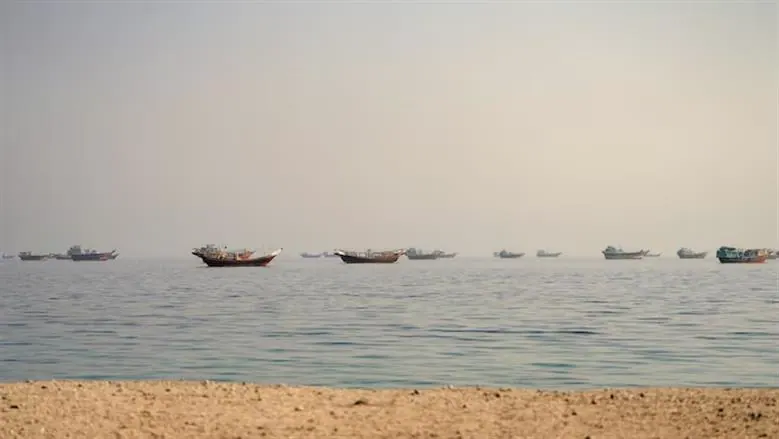
The conflict between the US and Iran has significant implications for regional stability, with the Strait of Hormuz being a critical waterway for global oil exports. Iran has threatened to block the strait if its demands are not met, which could have severe economic consequences. The US has maintained that it will not allow Iran to threaten shipping in the region. Araghchi has stated that Iran remains committed to a diplomatic solution, but will not compromise on its core interests.
Iranian Army Commander Amir Hatami has warned that his country will not allow its enemies to use the Strait of Hormuz while it is being denied access to it. He described the strait as a strategic location linked to Iran's dignity and honor. The US and Iran have been engaged in a war of words over the past year, with the US imposing significant sanctions on Iran's economy and Iran responding with missile strikes on US targets in Iraq.
The indirect talks between the US and Iran are seen as a positive step towards reducing tensions, but significant challenges remain. The US is pushing for Iran to make concessions on its nuclear program, while Iran is seeking relief from economic sanctions. Qatar's mediation efforts have been seen as constructive, but it remains to be seen whether the two sides can find common ground.
The situation remains fluid, with both sides maintaining a hardline stance on key issues. However, the fact that talks are ongoing suggests that both sides are open to finding a solution. Araghchi has stated that Iran is waiting for a formal response from the US on its proposal, and it is possible that further talks will take place in the coming weeks. The international community is watching closely, as a resolution to the conflict could have significant implications for regional and global stability.
Key points
- US and Iran engage in indirect talks in New York to address issues including the Strait of Hormuz and US sanctions.