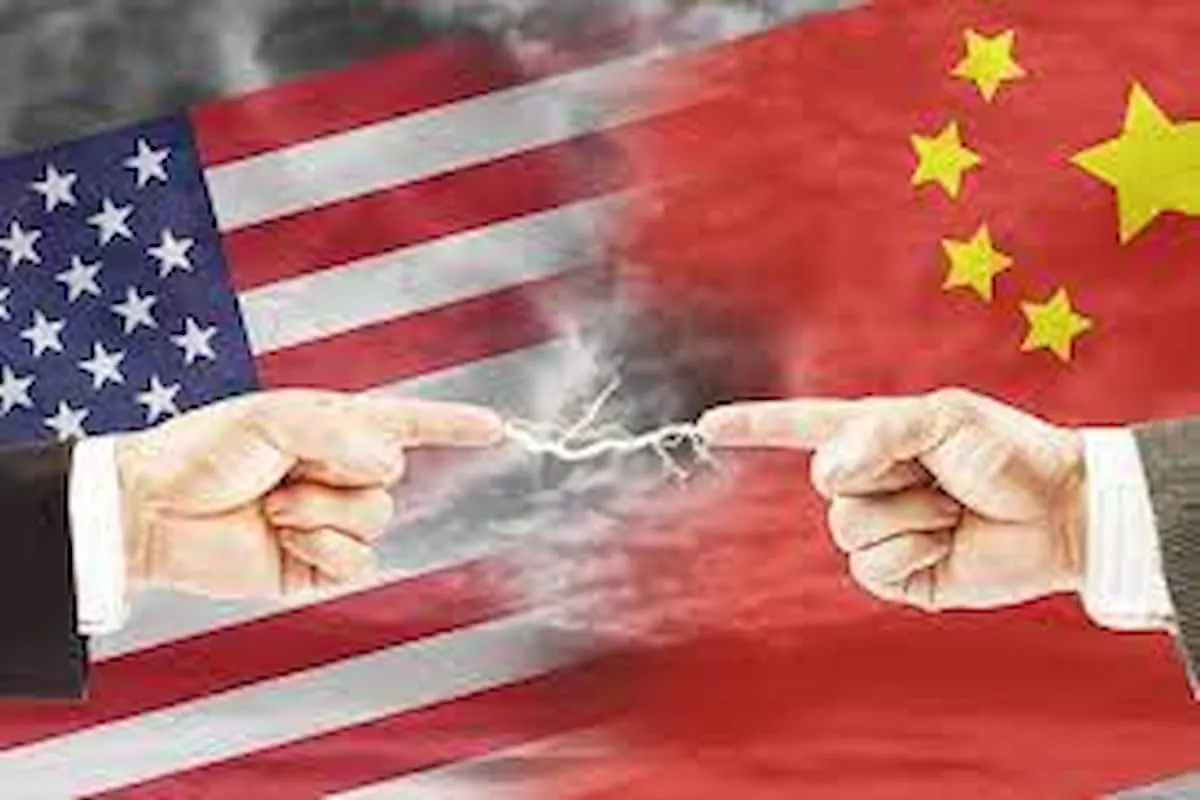
The United States and China have announced reciprocal lists of products worth approximately $30 billion each that will benefit from more favorable tariff treatment. This development comes after a summit between US President Donald Trump and Chinese President Xi Jinping. The agreement includes a two-month extension of the commercial truce between the two nations. According to the US Trade Representative, Jamieson Greer, the new arrangement could improve access to the Chinese market for products representing around 30% of US exports to China.
The lists of products were established under the new US-China Commercial Council, created to manage exchanges of non-sensitive products between the two largest economies in the world. The US and China have recommended reducing tariffs on around $30 billion worth of non-sensitive products each, totaling $60 billion. The Chinese list includes products such as agricultural goods like corn, wheat, and soybeans, as well as seafood, wood products, cosmetics, and medical devices. However, US soybean exports, which were valued at $16.2 billion in 2025, are not included in the list.
The US list includes small household appliances like coffee makers and toasters, as well as tableware, blankets, and children's car seats. Most of the products concerned are considered non-sensitive, allowing exchanges to continue while maintaining restrictions on strategic sectors. The commercial truce has been extended until January 10, 2027, giving both parties time to assess existing arrangements and continue discussions on economic and commercial disputes.
The China-US agreement also includes a commitment from China to import 10 million tons of US coal per year in 2027 and 2028, representing around 2% of its annual coal imports. The two countries will also establish a working group on agriculture to discuss market access and regulatory issues. Furthermore, they have agreed to create a communication channel on artificial intelligence incidents and to discuss increasing direct air links between the two nations.
The new phase of dialogue between the US and China also covers services and financial sectors. China has agreed to examine applications from foreign financial institutions, including those with US capital, wishing to expand their activities and open branches in China. The two governments will continue discussions on increasing direct air links between the two countries.
Despite this new sequence of commercial détente, Chinese markets have received the announcements with caution. Investors remain attentive to the concrete content of tariff measures and their implementation schedule, as tensions persist in several strategic sectors, including technology and data center components.
The US and China will continue their consultations on investments, market access obstacles, regulatory transparency, and concerns expressed by enterprises. The two countries aim to provide a more stable and predictable commercial environment for businesses during this period.
Key points
- The US and China have agreed to reduce tariffs on $60 billion worth of goods.
- The commercial truce between the two nations has been extended until January 10, 2027.
- China has committed to importing 10 million tons of US coal per year in 2027 and 2028.