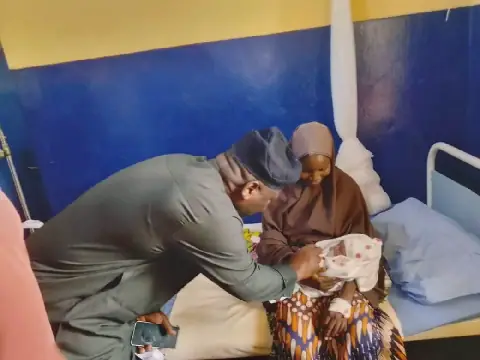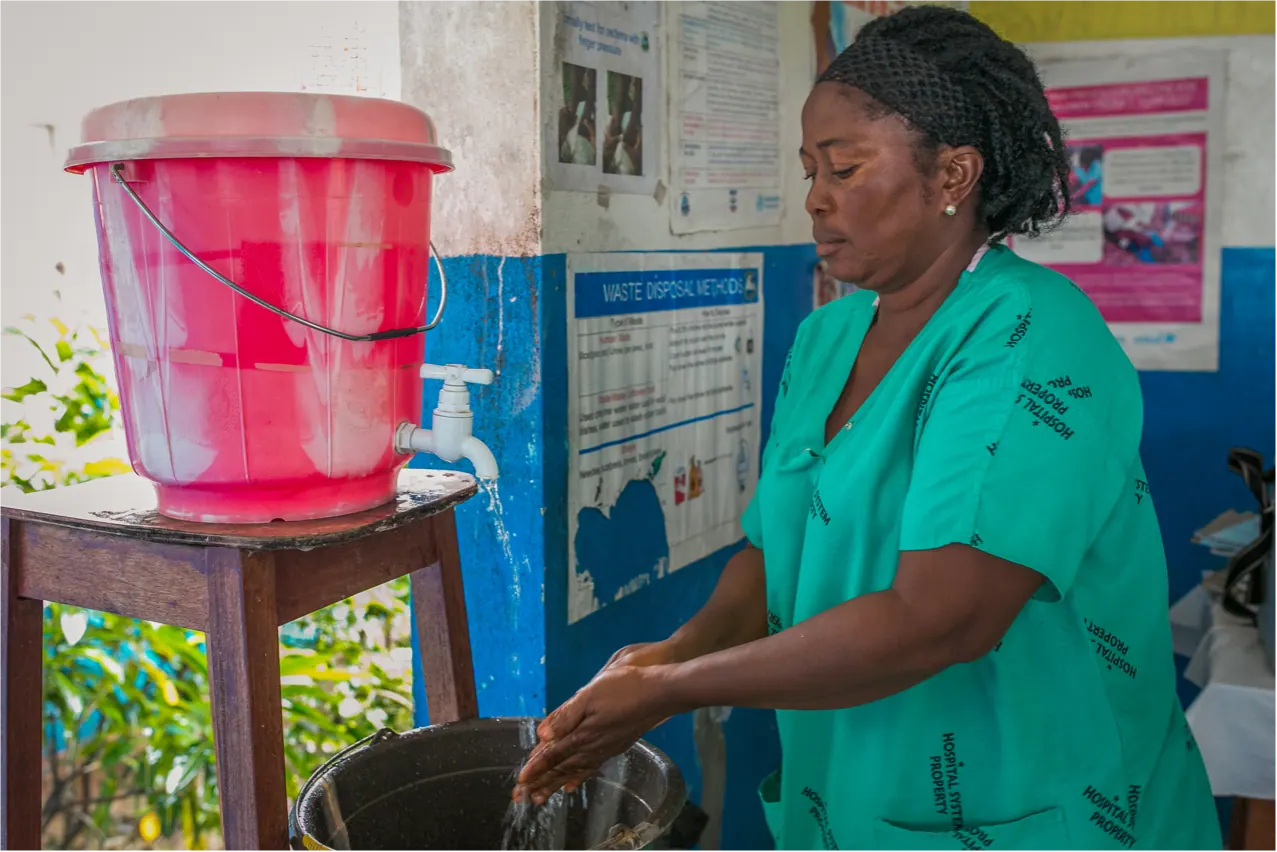
The Ghana Health Service (GHS) has identified inadequate and unreliable Water, Sanitation and Hygiene (WASH) services as a major challenge to quality healthcare delivery in the Upper East Region. According to Dr. Braimah Baba Abubakari, Upper East Regional Director of the GHS, all health facilities in the region have access to potable water, but water supply remains erratic in some facilities. This situation could undermine infection prevention and control, particularly during childbirth.
Dr. Abubakari emphasized that a health facility without water, sanitation, and hygiene cannot deliver quality care, regardless of the number of doctors, midwives, and drugs available. He made these remarks at the Ghana Journalists Association (GJA) Regional Awards ceremony in Bolgatanga on the theme: "Beyond the Headlines: The Media's Role in Promoting Water, Sanitation and Hygiene (WASH) for Safe Motherhood and Quality Healthcare." The event highlighted the critical role of WASH in ensuring safe motherhood and quality healthcare.
The Upper East Region recorded a skilled delivery rate of 78.86 percent in 2025, while its institutional maternal mortality ratio increased from 97.1 deaths per 100,000 live births in 2024 to 132.43 deaths per 100,000 live births in 2025. Sepsis accounted for 10 percent of maternal deaths in the region in 2025, making it the fourth leading cause of maternal deaths. These statistics underscore the need for improved WASH services to reduce maternal mortality.
In addition to maternal health challenges, the region recorded 4,440 cases of acute watery diarrhoea among children under five during the period. Dr. Abubakari noted that the region had made progress in expanding Community-based Health Planning and Services (CHPS) compounds, training midwives and community health nurses, and improving access to antenatal and skilled delivery services. However, challenges persist due to prolonged dry seasons, seasonal water scarcity, and broken-down boreholes.
The Regional Director also highlighted the inadequate waste management infrastructure in the region, with fewer than 10 percent of health facilities having multipurpose incinerators. As a result, many facilities resort to open burning and burying waste in the ground, posing environmental and health risks. Dr. Abubakari called for stronger collaboration among stakeholders to strengthen WASH infrastructure and services.
Dr. Abubakari emphasized the crucial role of the media in highlighting WASH challenges and following up on interventions to ensure accountability. He urged journalists to revisit facilities and communities to determine whether promised WASH interventions had been delivered, stating that "follow-up is where accountability lives." The media's role in promoting WASH for safe motherhood and quality healthcare is critical.
The Ghana Health Service is working to address the WASH gaps in the Upper East Region, with a focus on improving maternal and newborn care. The service is also seeking to enhance collaboration with development partners, non-governmental organizations, and local authorities to strengthen WASH infrastructure and services. By addressing these challenges, the region can improve healthcare outcomes and reduce maternal mortality.
Key points
- Inadequate WASH services hinder quality healthcare delivery in Ghana's Upper East Region.
- The region recorded a skilled delivery rate of 78.86 percent in 2025 and an institutional maternal mortality ratio of 132.43 deaths per 100,000 live births.
- The Ghana Health Service is calling for stronger collaboration to strengthen WASH infrastructure and services.