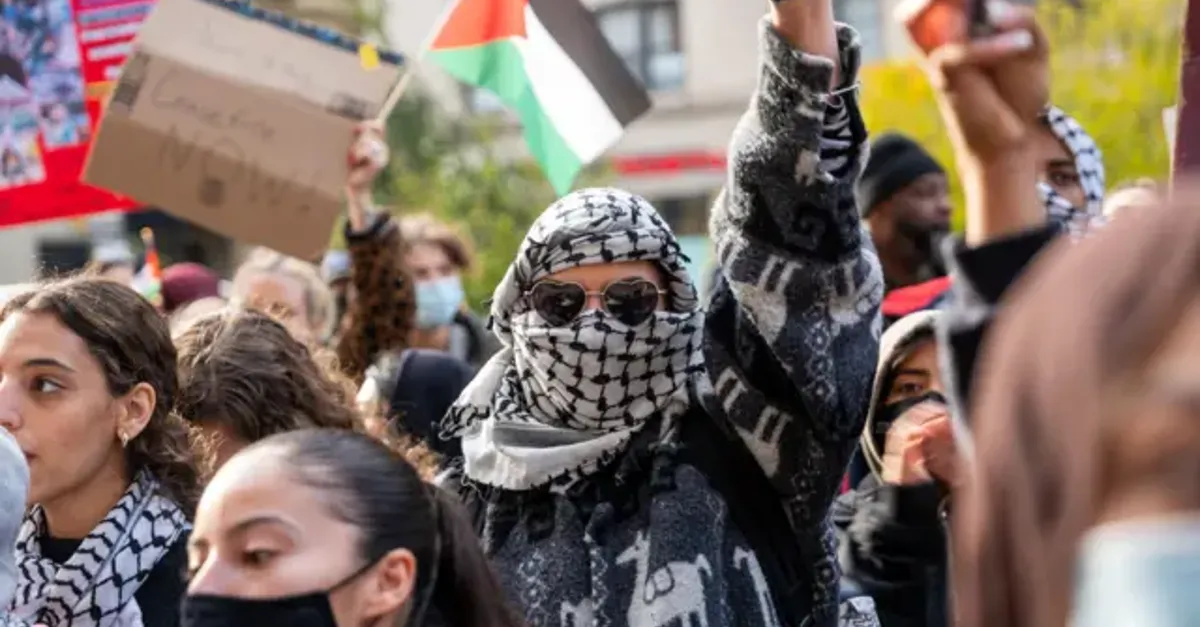
As the Israeli war on Gaza approaches its second year, Israeli media outlets have begun to report a surge in negative sentiments towards Israel and its citizens worldwide. This shift in the Israeli media narrative highlights the increasing pressures Israel faces globally, extending beyond politics and diplomacy to economics, arts, and sports. The war has led to accusations of genocide and international law violations, with mounting calls for a ceasefire and humanitarian aid access to Gaza.
Politically and diplomatically, Israel faced heightened criticism during the UN General Assembly meetings, with many countries condemning its actions in Gaza and the occupied Palestinian territories. UN High Commissioner for Human Rights Volker Turk stated that Israel's continued violations of international law in the occupied territories threaten a two-state solution. Israeli officials' statements on Gaza and the West Bank have also drawn international criticism, particularly those interpreted as calls for Palestinian displacement or Israeli sovereignty.
The economic sphere has also seen repercussions, with European countries considering trade restrictions with Israeli settlements in the West Bank. Some nations have demanded changes or reviews of trade relations due to the ongoing war. Israel views these actions as political and economic pressure, while its supporters link them to the humanitarian and political situation in the Palestinian territories. A group of European countries, led by the Netherlands and Britain, have decided to cut commercial ties and halt imports of products from Israeli settlements.
The criticism has not been limited to governments and international institutions; it has extended to the film and arts industry. Recent international film events have seen celebrities make statements on the Gaza war, with some appearing with symbols or signs supporting Palestinians or calling for a ceasefire. The stances of global musicians, including Ed Sheeran and Macklemore, have sparked widespread debate about the music industry's relationship with the Israeli war on Gaza.
The controversy has also reached the sports arena, with a notable incident during a match between the Israeli and Irish national teams. Irish players made headlines with their actions during the national anthem, and Israeli players reported feeling rejected and hostile after some Irish players refused to shake hands. The incident highlighted solidarity with Palestinians and reflected the broader tensions surrounding Israel's actions.
These developments indicate that the conflict is no longer confined to politics and diplomacy but has spread to areas where Israel has traditionally maintained a strong international presence, such as sports, arts, and culture. This shift underscores the growing global rejection of Israel's actions in Gaza and its policies in the occupied territories. The Israeli media outlet that reported these incidents has itself noted the expanding scope of criticism, moving beyond governments to include artists, athletes, and the general public.
The growing global backlash against Israel is a significant development, with far-reaching implications for its international standing and relationships. As the war in Gaza continues, Israel faces mounting pressure to address international concerns and criticism, which could potentially impact its diplomatic and economic ties worldwide. The international community remains divided on the issue, with some countries recognizing Palestine and others maintaining support for Israel.
Key points
- Israel faces growing global criticism and rejection due to its war in Gaza and policies in the occupied Palestinian territories.
- The criticism has extended beyond politics and diplomacy to economics, arts, and sports, reflecting a broader international condemnation of Israel's actions.
- The war has led to accusations of genocide and international law violations, with mounting calls for a ceasefire and humanitarian aid access to Gaza.