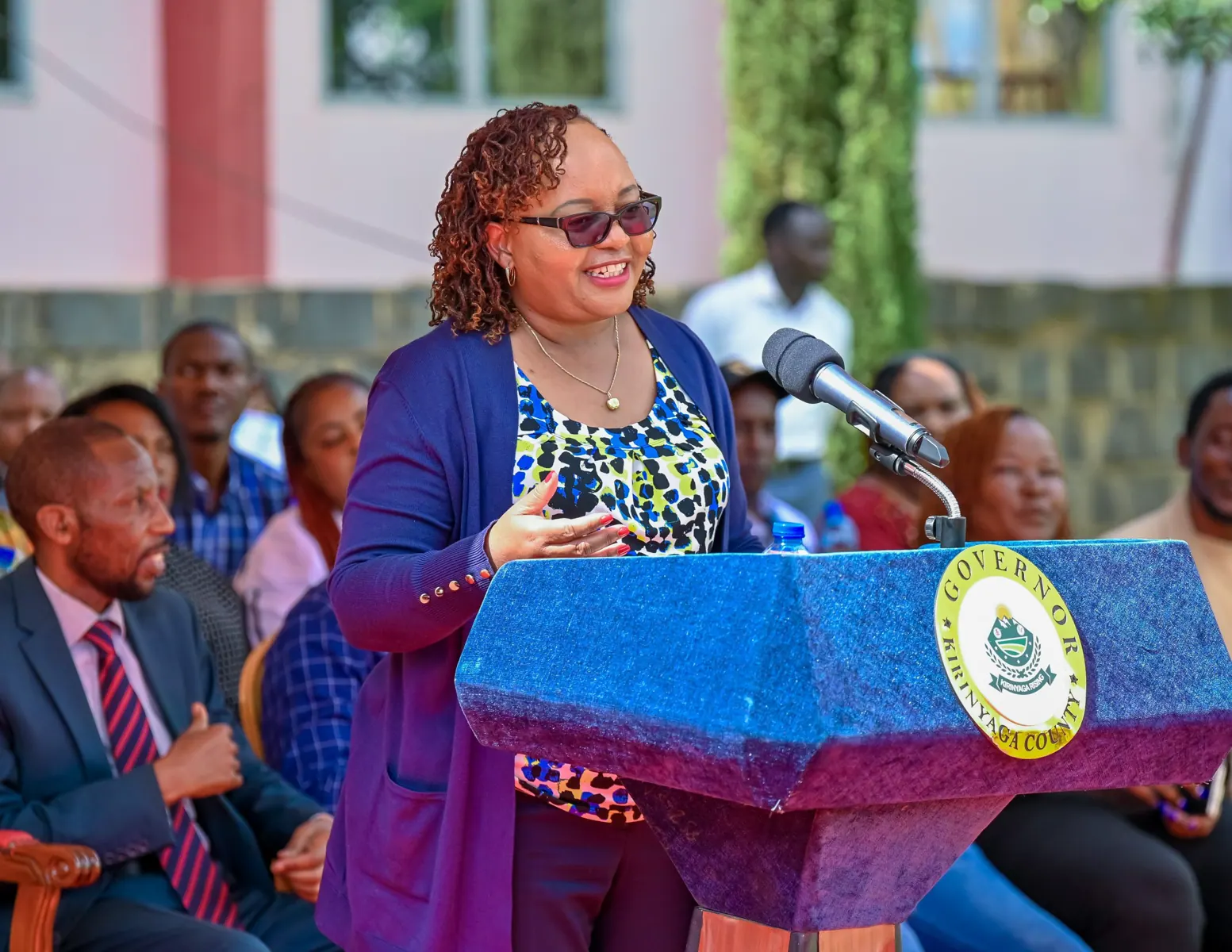
Kirinyaga Governor Anne Waiguru has pledged to rehabilitate roads in the Mwea irrigation scheme, which have been in deplorable condition for a long time. The roads, crucial for the transportation of rice from farms, have been impassable, affecting the cost of production for rice farmers. Waiguru made the commitment during a meeting with rice farmers and local leaders, acknowledging the importance of the Mwea region as Kenya's leading rice-producing area.
The Governor announced that her administration will provide machinery and fuel to facilitate the murraming of the roads. This move is expected to ease the transportation of rice to markets, reducing the cost of transport and increasing the profitability of rice farming in the region. Waiguru emphasized that the upgrading of the roads will have a positive impact on the livelihoods of farmers and the local economy.
Waiguru urged residents of Mwea to safeguard the region's development gains by sustaining support and constructive engagement with both levels of government. She stressed that the future prosperity of the region depends on protecting investments already made and ensuring that ongoing projects are completed. The Governor highlighted the strategic importance of Mwea, which produces approximately 210,000 metric tonnes of rice annually, valued at about Ksh15 billion.
The Governor cited the growing agricultural economy of Mwea as evidence of the importance of sustained investment and cooperation between the county and national governments. She noted that behind the impressive production figures are thousands of farming households whose incomes depend on reliable irrigation, affordable inputs, access to markets, and efficient transport infrastructure. Waiguru emphasized that government interventions have focused on addressing practical challenges that constrain production and profitability.
Waiguru highlighted various initiatives undertaken by the county government to support rice farmers, including mechanization support, agricultural extension services, cooperative development, and farmer empowerment programs. The county has also invested in healthcare, with several projects underway, including the construction of Kimbimbi Level Four Hospital and the South Ngariama maternity wing. Additionally, the county has invested in education, with the establishment of a seedlings propagation centre in Kangai.
The Governor also pointed to national government efforts to support the rice sector, including the purchase of locally produced rice through the Kenya National Trading Corporation. She announced that the government has released Ksh1 billion to support rice farmers, ensuring that before any importation of rice into the country, the government buys rice in Mwea. Waiguru emphasized that dependable markets are essential if farmers are to benefit fully from increased production.
Leaders at the meeting commended Waiguru for her development record and her commitment to prioritizing farmers' welfare. They cited various development projects undertaken in the region, including the construction of Wang'uru Stadium, cabro-paved streets, tarmacked roads, hospitals, and markets. The leaders expressed support for Waiguru taking on a greater national leadership role, arguing that women should have a place at the highest levels of national decision-making.
Key points
- Governor Anne Waiguru commits to rehabilitate on-farm roads in Mwea Irrigation Scheme.
- The rehabilitation of roads is expected to ease transportation of rice and reduce the cost of production for farmers.
- The Mwea region produces approximately 210,000 metric tonnes of rice annually, valued at about Ksh15 billion.