The Volta River Authority (VRA) in Ghana has reported a significant turnaround in its financial performance, moving from a net loss of GH¢106 million in 2024 to a net profit of GH¢88 million in 2025. This recovery is notable despite a 4 per cent decline in electricity revenue, which decreased to GH¢8.95 billion from GH¢9.29 billion in the previous year. The improvement in financial performance has been attributed to several factors, including cost controls and operational efficiencies.
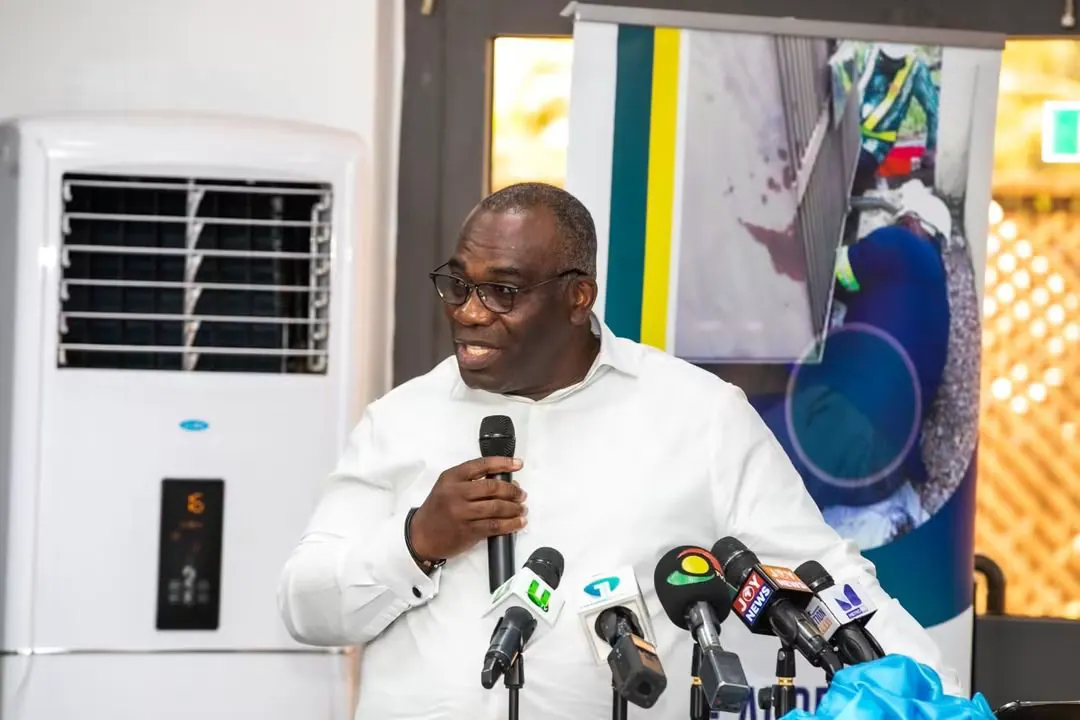
According to the Chief Executive Officer of VRA, Ing. Edward Ekow Obeng-Kenzo, the improved performance was driven by tight cost controls, lower financial expenses, and a reversal of foreign exchange losses. He also highlighted that stronger-than-expected generation from both hydro and thermal facilities contributed to the positive outcome. The operational performance was further enhanced by adherence to operational and maintenance protocols, which improved the reliability of VRA’s generation portfolio.
The electricity generation landscape in Ghana saw total electricity generation reach 27,023 gigawatt-hours in 2025. Independent Power Producers (IPPs) played a significant role, accounting for 52 per cent of the total with 14,045 gigawatt-hours, while VRA supplied the remaining 48 per cent, or 12,978 gigawatt-hours. This indicates a substantial contribution from both VRA and IPPs to meet the country's electricity needs.
Despite the overall positive performance, VRA faced a 7.2 per cent contraction in demand for its power in 2025, with total demand amounting to 12,926 gigawatt-hours. The Electricity Company of Ghana (ECG) remained VRA’s largest off-taker, purchasing 41 per cent of its supply, followed by the Northern Electricity Distribution Company (NEDCo) at 18 per cent. Power exports to regional neighbours and mining operations accounted for 15 per cent and 11 per cent, respectively.
To further enhance its generation capacity, VRA is pursuing new projects, including the 30-megawatt Akuse Floating Solar Project, the 132-megawatt T3 Repowering Project, and the 100-megawatt Anwomaso Phase II Project. Additionally, the Authority has signed a Power Purchase Agreement for the 620-megawatt Nantian Thermal Power Project. These initiatives aim to bolster VRA's position in the energy sector.
However, despite the return to profitability, VRA continues to face significant challenges, including liquidity constraints. The Authority cited chronic payment delays, inter-utility debts, land encroachment along waterways, and lengthy procurement processes as major obstacles that continue to constrain its operations and delay project timelines. These issues highlight the complexities of operating in the energy sector.
The successful implementation of new generation projects and resolution of existing challenges will be crucial for VRA's sustained growth and stability. The Authority's efforts to diversify its generation portfolio and enhance operational efficiencies will likely play a key role in its future performance. Key factors contributing to VRA's improved financial performance include tight cost controls, lower financial expenses, and a reversal of foreign exchange losses.
Key points
- VRA's net profit reached GH¢88 million in 2025.
- Electricity revenue declined by 4 per cent to GH¢8.95 billion.
- VRA is pursuing new generation projects to enhance its capacity.