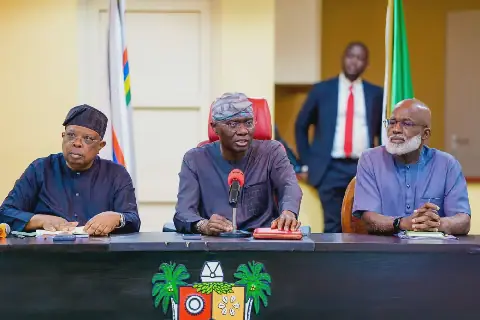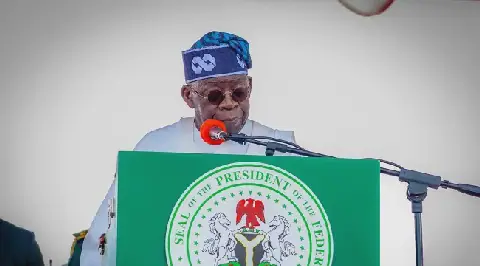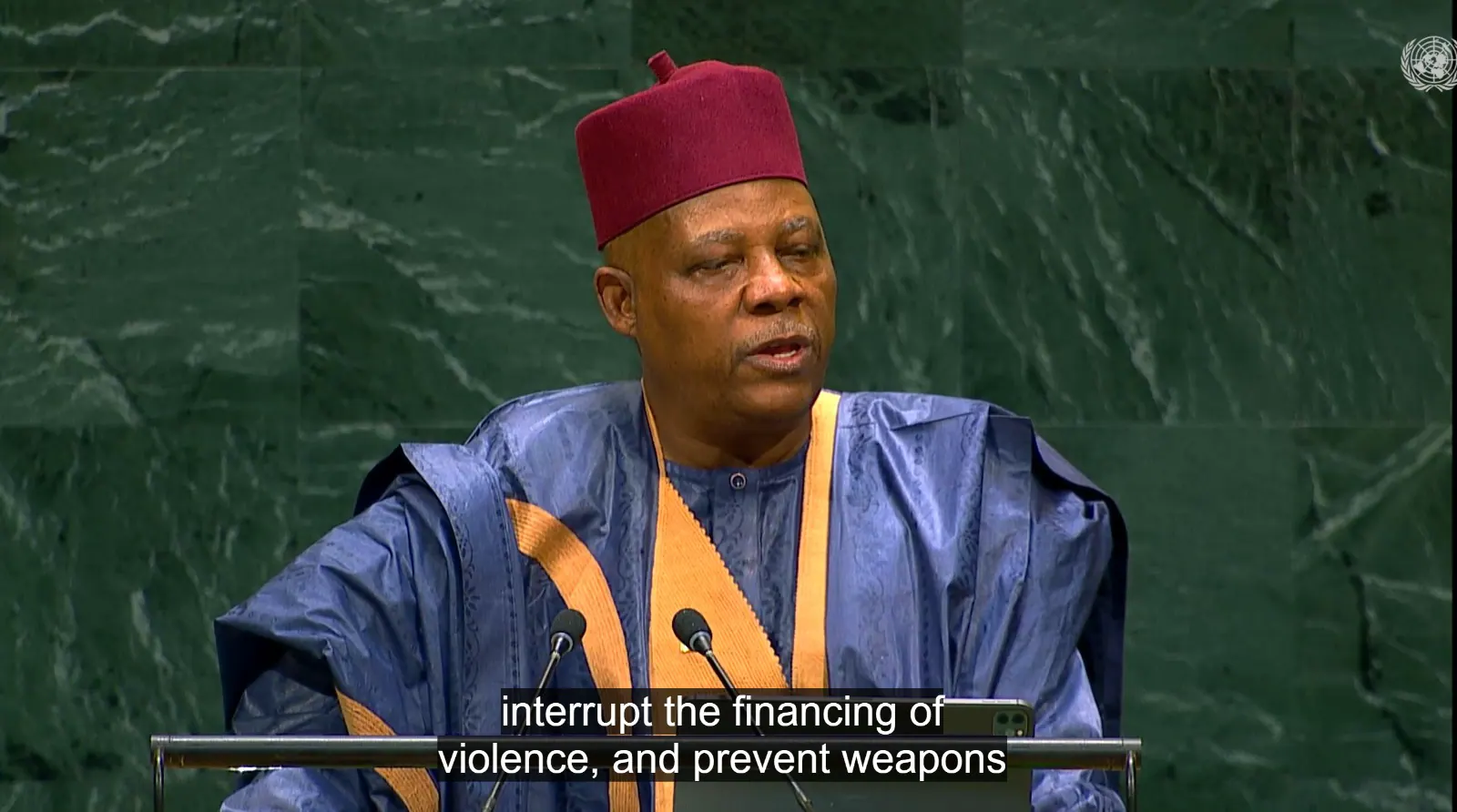
Vice-President Kashim Shettima has undertaken a one-day official visit to Katsina State, where he commissioned 11.2 kilometres of major road projects and launched 230 mass transit vehicles. The projects aim to modernise urban infrastructure and public transportation in the state. The commissioned roads include the dualised 4.80-kilometre Kofar Sauri–Central Mosque Roundabout Road, the dualised 2.40-kilometre Central Police Station Junction–Kofar Kaura Underpass Road, and the newly constructed 4.00-kilometre Filin Polo–Ring Road.
The Vice-President also launched 30 CNG hybrid buses and 200 Phase I electric tricycles at the Old Ministry of Works. This move marks a significant step in the State Government's plan to provide cleaner, more efficient, and accessible public transportation. The launch of these vehicles is part of the state's efforts to improve mobility and reduce transportation difficulties for residents.
Governor Radda stated that the commissioning marked a significant milestone in his administration's commitment to infrastructure development, urban renewal, and the modernisation of public transportation. He noted that the projects were designed to improve connectivity, ease traffic congestion, enhance road safety, and create an enabling environment for investment, productivity, and an improved quality of life.
According to Governor Radda, the three commissioned roads form part of a broader urban renewal network designed to improve traffic circulation, reduce travel time, and strengthen connectivity across Katsina metropolis. He recalled that the Central Mosque Roundabout–Water Board Roundabout Road was commissioned in October 2025, while President Bola Ahmed Tinubu commissioned the Eastern Bypass Road in May 2025.
Governor Radda explained that the projects were part of 12 major urban renewal road projects being implemented within Katsina metropolis. He stressed that his administration's approach was to develop an integrated and interconnected road network rather than isolated roads. This approach ensures that individual roads complement one another and collectively improve accessibility across the metropolis.
The Governor also disclosed that more than 240 kilometres of urban and rural roads had so far been covered through ongoing infrastructure interventions across the State. He stated that the investments aimed to connect communities to markets, schools, and healthcare facilities while reducing transportation difficulties and creating better conditions for agriculture, commerce, and private-sector investment.
Key points
- The projects were designed to improve connectivity, ease traffic congestion, enhance road safety, and create an enabling environment for investment, productivity, and an improved quality of life.
- The state is launching a fleet of hybrid buses incorporating electric, diesel, and CNG technologies to provide more convenient and efficient mobility for residents.
- More than 240 kilometres of urban and rural roads have been covered through ongoing infrastructure interventions across the State.