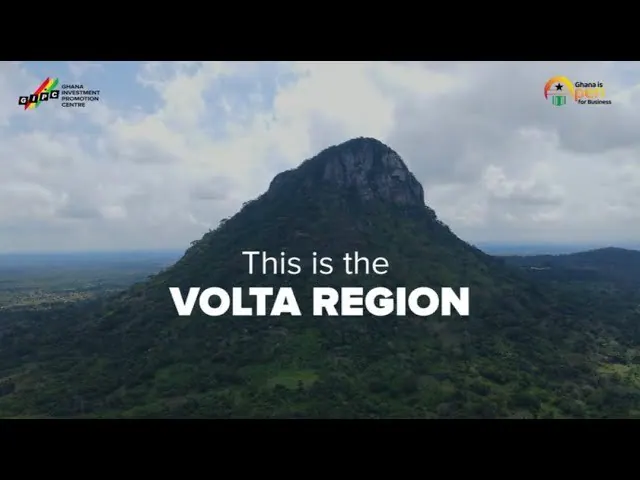
The Volta Region is the only area to have met acceptable cleanliness standards following a nationwide monitoring tour by Parliament's Select Committee on Sanitation and Water Resources. The committee's chairman, John Oti Bless, disclosed this during the tour of Metropolitan, Municipal and District Assemblies (MMDAs). According to reports, the committee has been assessing regions across Ghana to evaluate their sanitation efforts.
John Oti Bless attributed the poor sanitation in other regions to unenforced bylaws and indiscipline among residents. He noted that many assemblies have sanitation bylaws in place, but these rules are not enforced against offenders. Oti Bless emphasized that enforcement is crucial to addressing the country's waste management troubles. He cited Rwanda as an example of a country that has improved its sanitation through strict compliance and regulation.
The Volta Region's clean sanitation outlook is a notable achievement, according to Oti Bless. However, the criteria used to grade regions and the specific regions that have been visited and found lacking were not specified. The committee has called on the media to step up public education campaigns on responsible waste disposal. Oti Bless stressed that sustained awareness-raising and tougher enforcement by local authorities are needed to fix Ghana's persistent sanitation problems.
The nationwide tour builds on concerns about the gap between Ghana's sanitation ambitions and the reality on the ground. This includes issues with plastic waste and efforts by contractors like Zoomlion. The tour also feeds into broader national conversations around waste evacuation, landfill redevelopment, and sanitation services funding. These discussions are crucial in addressing the country's sanitation challenges.
The state of sanitation in each assembly area affects residents' daily lives, including flooding risk during the rains and disease outbreaks linked to poor waste disposal. MMDAs are responsible for waste collection, drainage maintenance, and enforcing sanitation bylaws in their areas. When bylaws exist only on paper, residents in non-compliant districts face practical consequences, including choked gutters and health risks.
The committee's tour aims to encourage MMDAs to move beyond drafting regulations and start holding violators accountable. Oti Bless urged residents to take more responsibility for their communities. The media is also expected to play a role in public education campaigns. By working together, Ghana can address its sanitation challenges and improve the living conditions for its citizens.
The outcome of the committee's nationwide tour and any potential consequences for underperforming districts remain unclear. It is uncertain when a full regional ranking will be published or what actions Parliament will take against assemblies that fail the sanitation assessment. Nonetheless, the tour has highlighted the need for improved sanitation efforts across Ghana.
Key points
- The Volta Region is the only area to have passed Parliament's sanitation check so far.
- Unenforced bylaws and indiscipline among residents contribute to poor sanitation in other regions.
- Enforcement and public education are crucial to addressing Ghana's sanitation challenges.