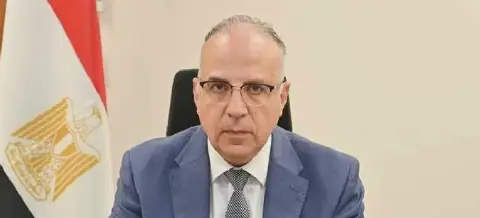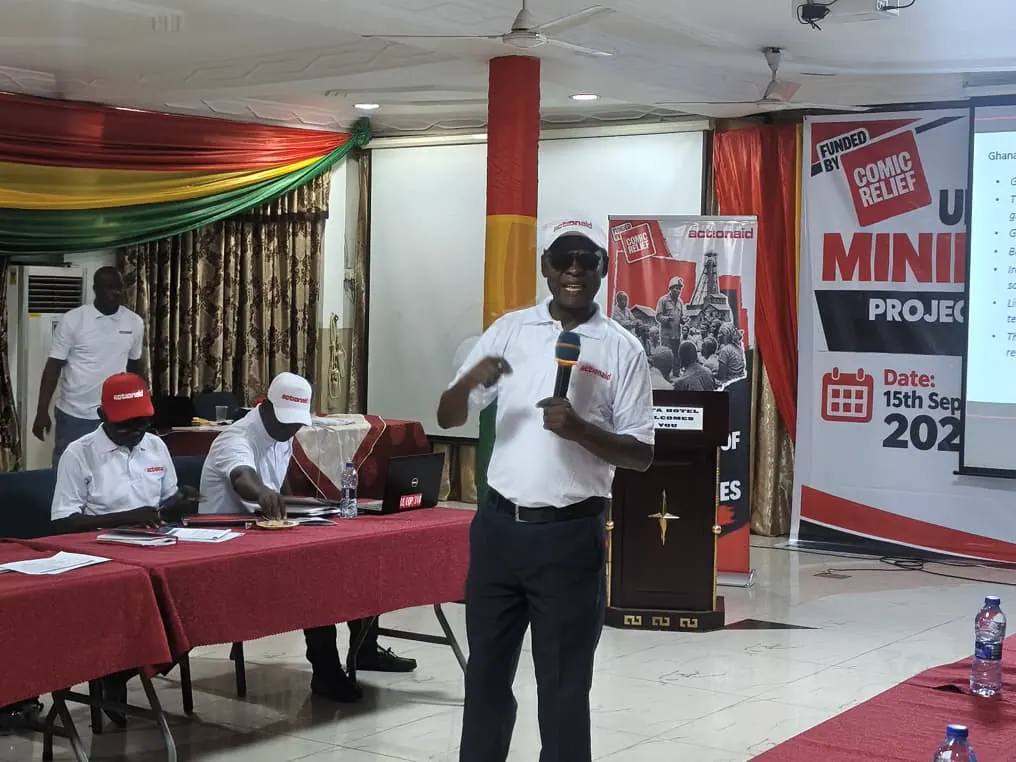
Dr. Steve Manteaw, Co-Chair of the Ghana Extractive Industries Transparency Initiative (GHEITI), has called on implementers of the VOICES Project to partner with established institutions to ensure the project's sustainability after its two-year lifespan. He made this appeal at the launch of the VOICES Project by ActionAid Ghana in Kumasi, which aims to strengthen the participation of mining communities in environmental protection and mineral governance. Dr. Manteaw emphasized that building new structures without linking them to institutions with existing systems, experience, and networks could undermine the project's sustainability.
The VOICES Project, being implemented in four districts, including Mfantseman, Ahafo Ano South, Asutifi North, and Talensi, seeks to promote community participation in mineral governance, sustainable development, and efforts to address the environmental impacts of mining and climate change. Dr. Manteaw noted that the project implementers should identify and work closely with institutions that have been operating in similar areas for many years, enabling them to take ownership of the structures and initiatives established under the project.
Mr. John Nkaw, the Country Director of ActionAid Ghana, stated that the VOICES Project recognizes that the impacts of mining are not experienced equally by all members of mining communities. He said women and young people are being placed at the center of discussions on the future of Ghana's mineral resources and their implications for livelihoods and the environment. The project will train about 80 women leaders and 80 youth representatives in extractive sector governance, climate-resilient livelihoods, advocacy, and campaigning, as well as artistic activism.
The project aims to establish structures in additional mining communities, and linking those structures to credible and established institutions could enhance their sustainability. Mr. Nkaw emphasized that meaningful participation of women, young people, and affected communities is essential to ensuring that Ghana's mineral resources contribute to sustainable economic development while protecting the environment and community livelihoods.
Dr. Manteaw's call for collaboration with established institutions is crucial to ensuring the project's long-term impact. He stressed that the structures developed under the project must be integrated into existing systems to continue functioning beyond the project period. This can be achieved by working closely with institutions that have existing systems, experience, and networks.
The VOICES Project will use artistic activism, including music and cultural expressions, to help communities draw attention to the environmental and social impacts of extractive activities. Mr. Nkaw called on stakeholders participating in the project to engage in constructive discussions and work collectively towards promoting sustainable development and addressing the adverse environmental effects associated with extractive activities.
The project's broader objective is to strengthen the capacity of affected communities to participate meaningfully in decisions concerning mining, environmental protection, and mineral resource governance. By partnering with established institutions, the VOICES Project can ensure its sustainability and create a lasting impact in the communities it serves. Key stakeholders will continue to engage in discussions to promote sustainable development and address environmental concerns.
Key points
- Dr. Steve Manteaw urges VOICES Project implementers to collaborate with established institutions for sustainability.
- The VOICES Project aims to strengthen the participation of mining communities in environmental protection and mineral governance.
- The project will train 80 women leaders and 80 youth representatives in extractive sector governance and climate-resilient livelihoods.