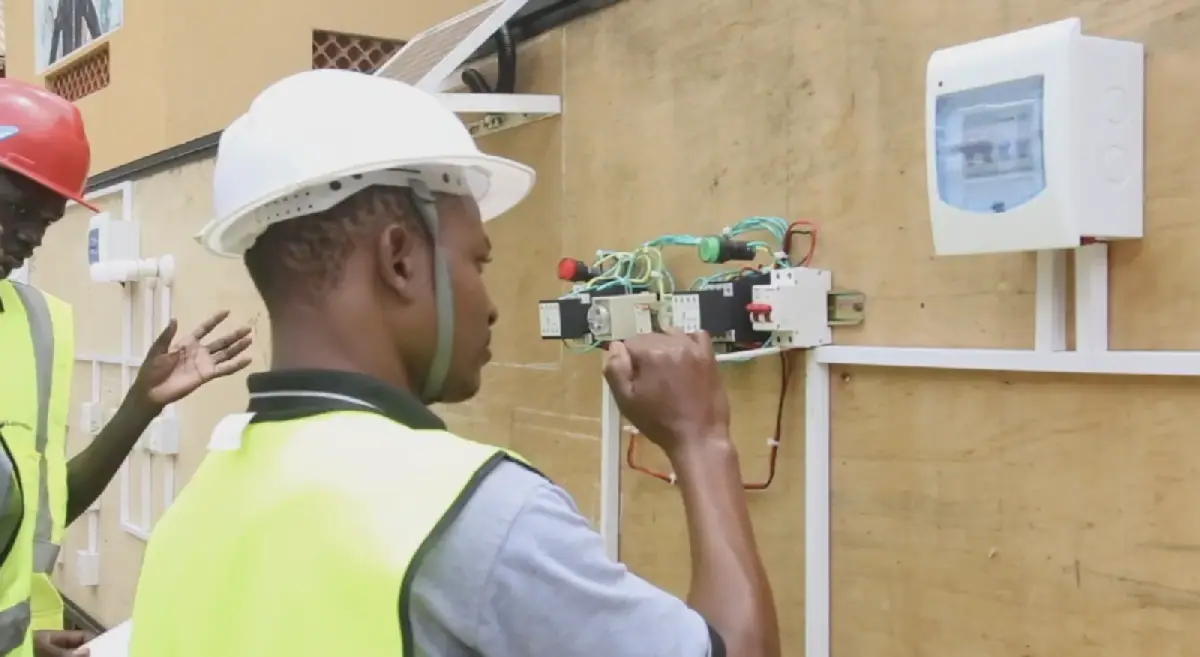
Vocational training is being touted as a crucial element in the success of Uganda's Parish Development Model in Northern Uganda. The model aims to promote economic development at the local level. Recently, a private-sector engagement was held in Palabek, Lamwo District, to discuss the importance of technical and vocational training. The event followed a four-year programme that trained over 2,000 young people in various skills.
The trained young people acquired practical skills in areas such as irrigation, agribusiness, plumbing, and value addition. These skills are expected to enhance their employability and entrepreneurship prospects. By equipping young people with such skills, the programme aims to promote economic growth and development in Northern Uganda. The Parish Development Model is a government initiative that seeks to promote local economic development.
The programme's impact is expected to be significant, with over 2,000 young people already trained. The trained individuals are now better equipped to contribute to the local economy. The private-sector engagement in Palabek, Lamwo District, brought together stakeholders to discuss the programme's success and identify areas for improvement. The event highlighted the importance of vocational training in promoting economic development.
Vocational training is seen as a key component of the Parish Development Model. The model recognizes that economic development requires a skilled workforce. By providing young people with practical skills, the programme aims to promote entrepreneurship and job creation. The programme's focus on vocational training is expected to have a positive impact on the local economy.
The Parish Development Model is a government initiative that aims to promote local economic development. The model seeks to empower local communities to take charge of their economic development. Vocational training is a critical component of the model, as it provides young people with the skills they need to participate in the economy. The programme's success is expected to contribute to the country's overall economic growth.
The programme's impact on Northern Uganda is expected to be significant. The region has faced economic challenges in the past, but vocational training is seen as a way to promote economic growth. By equipping young people with practical skills, the programme aims to promote entrepreneurship and job creation. The programme's success is expected to contribute to the region's economic development.
In conclusion, vocational training is being seen as a key element in the success of Uganda's Parish Development Model in Northern Uganda. The programme has already trained over 2,000 young people in various skills. The programme's focus on vocational training is expected to have a positive impact on the local economy.
Key points
- The Parish Development Model aims to promote local economic development.
- Vocational training is seen as a crucial element in the model's success.
- Over 2,000 young people have been trained in various skills.