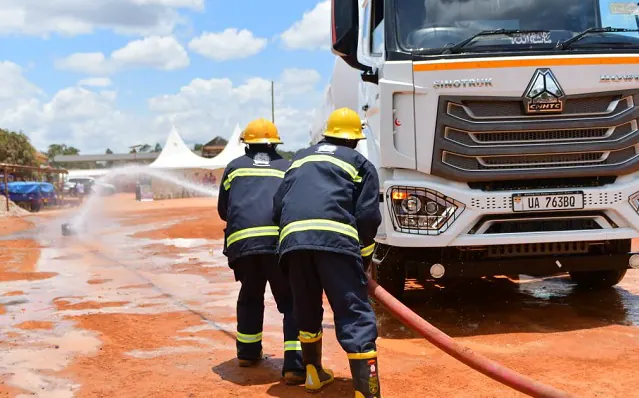
Vivo Energy Uganda conducted a simulated fuel tanker fire exercise on September 15 along the Masaka-Mbarara Highway as part of its 2026 annual safety campaign. The exercise, themed "Prepare to Respond," aimed to test communication and coordination among various stakeholders, including the company, its road transport haulers, police, fire brigade, ambulance services, and local authorities. The simulation assessed firefighting, rescue, and medical response, as well as incident management and communication between the company and public emergency agencies.
The exercise highlighted the importance of preparedness in emergency response situations. George Lwawuga, HSSEQ Manager at Vivo Energy Uganda, emphasized that having emergency procedures on paper was not enough; it was crucial to understand and practice them to ensure a effective response. The drill allowed the company to test its response, identify areas for improvement, and strengthen coordination with transport partners and emergency services.
The simulation also raised broader road-safety questions about preparedness to deal with incidents involving vehicles carrying hazardous materials. Prevention remains the first line of defense, and companies transporting fuel must prioritize driver training, vehicle maintenance, safe handling of cargo, and risk management along transport routes. Despite preventive measures, emergency response remains a critical aspect of road safety, as a crash can quickly involve people and agencies beyond those directly responsible for the vehicle.
Vivo Energy Uganda has incorporated emergency preparedness into its wider safety program through training, risk management, engagement with contractors and transport partners, and regular testing of response procedures. The company conducted fire drills at its depots in Mbale, Busia, and Kampala, as well as crisis simulations involving employees, contractors, and transport partners. This proactive approach aims to prevent harm to employees, business partners, customers, and the environment.
Joanita Mukasa Menya, Managing Director of Vivo Energy Uganda, stressed that safety preparedness should not be treated as an annual exercise. "Safety is not an activity we do once a year; it is part of how we work every day," she said. The company's "Goal Zero" ambition aims to prevent harm to its employees, business partners, customers, and the environment. Mukasa Menya emphasized the value of collaboration and coordination among stakeholders in emergency response situations.
The involvement of public emergency agencies was significant, as a major road incident involving a tanker would require coordination beyond the company and its transport contractor. Police, firefighters, and ambulance teams would need to work together to manage traffic, secure the area, and respond to medical emergencies. The exercise demonstrated the importance of practicing together to strengthen readiness and identify areas for improvement.
The value of the emergency drill lies in what follows the exercise. Vivo Energy Uganda will identify areas for improvement and strengthen coordination with its transport partners and emergency services. The company's proactive approach to emergency preparedness and response will help prevent harm to people, business partners, customers, and the environment.
Key points
- Vivo Energy Uganda staged a simulated fuel tanker fire to test emergency response and coordination with public agencies.
- The exercise highlighted the importance of preparedness and coordination among stakeholders in emergency response situations.
- The company's "Goal Zero" ambition aims to prevent harm to its employees, business partners, customers, and the environment.