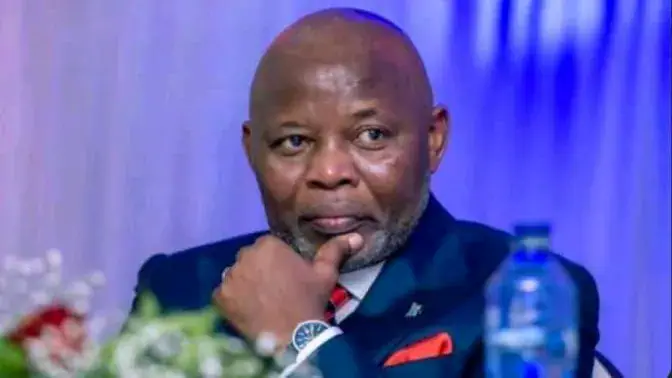
Tensions are running high within the Union for the Congolese Nation (UNC) party, led by Vital Kamerhe, after eleven senior members publicly disavowed him on November 25. The group, known as the "Courant des conservateurs," expressed concerns over Kamerhe's recent comments on the war in the east and his loyalty to President Felix Tshisekedi. They argue that Kamerhe's statements were made without consulting the party and risk undermining the president and the military.
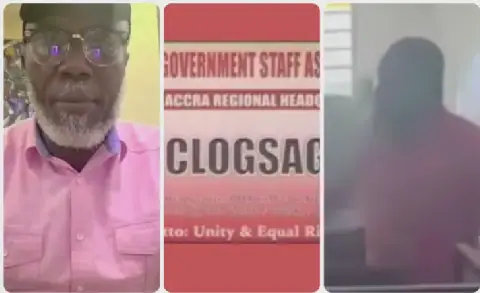
The disavowal comes after Kamerhe's speech on November 20, in which he questioned the strategy to address the conflict in the east and called for accountability from military leaders. He also expressed concerns about the loyalty of some party members to Tshisekedi, suggesting that his own loyalty was not eternal. The eleven cadres, including Mayo Mambeke and Molendo Sakombi, demand that Kamerhe retract his statements, initiate an internal discussion, and urge party members to remain calm.
The UNC's national political direction has responded to the crisis, affirming Kamerhe's loyalty to Tshisekedi and the party's commitment to the president and national institutions. The party's secretary general, Billy Kambale, criticized the disavowing cadres for not following internal procedures and urged party members to exercise restraint and responsibility. The direction also reaffirmed its support for the military and the government's efforts to maintain national stability.
Jean-Baudouin Mayo Mambeke, a national deputy and former budget minister, has publicly criticized Kamerhe, accusing him of making blackmail-like statements. Mambeke emphasized that the party remains loyal to Tshisekedi, but Kamerhe's actions are his personal affair. He also recalled that Kamerhe sits on the board of the Union sacrée, where he can request accountability from the government.
Despite the backlash, Kamerhe has received support from the UNC's national coordination of elected communal councilors, led by Samuel Francha. They have expressed confidence in Kamerhe's leadership and described his comments as constructive. The coordination also urged party members to address their grievances internally rather than publicly.
The crisis within the UNC has sparked concerns about the party's unity and its relationship with the government. The situation has drawn comparisons to a similar incident involving Modeste Bahati, who was forced to resign after expressing dissenting views. The UNC's handling of the crisis will likely have implications for the party's future and its role in Congolese politics.
Kamerhe's comments have also sparked a wider debate about the government's handling of the conflict in the east and the military's strategy. The opposition has called for greater transparency and accountability from the government, while the government has emphasized the need for national unity and support for the military. The crisis within the UNC has highlighted the complex and often contentious nature of Congolese politics.
Key points
- The UNC party is facing internal divisions over Vital Kamerhe's comments on the war in the east and loyalty to President Felix Tshisekedi.
- Eleven senior members have publicly disavowed Kamerhe, citing concerns over his leadership and party unity.
- The crisis has sparked a wider debate about government accountability and the military's strategy in the east.
Reporting sources
- Le pompier Kamerhe tente d’éteindre l’incendie · Ouragan.cd